
Immersive Tokyo Lets You Move Between 92 Real Spots in Tokyo on Vision Pro
The app launches November 24 with Asakusa, Shibuya, Shinjuku, and Akihabara in 3D footage filmed on the streets in spring 2025, and pre-orders are open now.
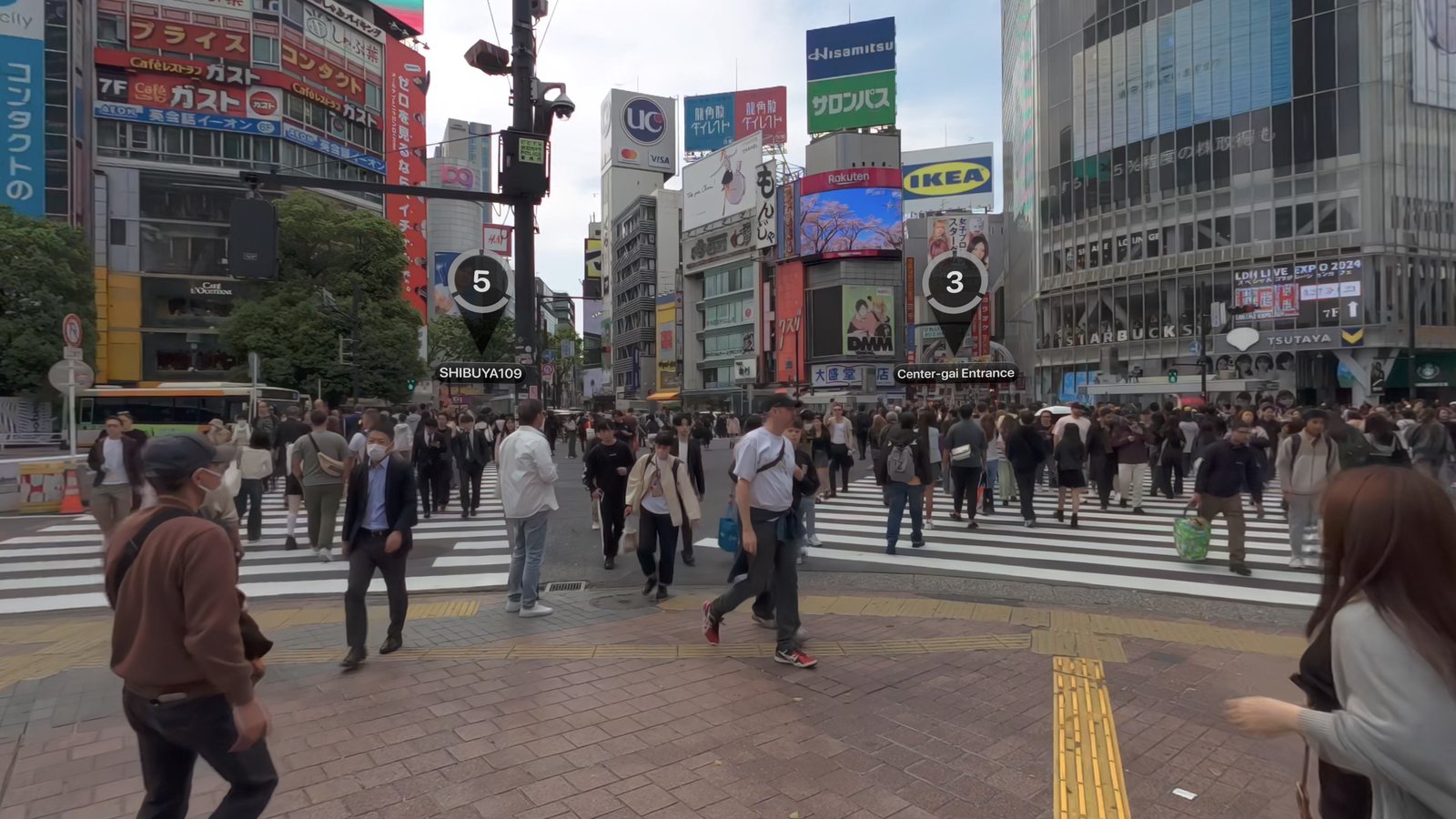
Cihat Gündüz, the indie developer behind Posters 2.0 (opens in a new tab), spent three weeks in Tokyo filming its streets. His new Apple Vision Pro app, Immersive Tokyo (opens in a new tab), opens for visitors on November 24. It takes you through Akihabara, Asakusa, Shibuya, and Shinjuku in 3D, with footage he shot on location in spring 2025.
Start at Shibuya Crossing. Look around as people cross the street, then tap a pin to jump to the next corner. The app connects 92 filming spots along the same streets you’d take on foot. Each district has a suggested route, but you can take a side street whenever you like. The app remembers where you left off.
Gündüz tried filming the walks between corners, but the movement felt uncomfortable in the headset. He settled on fixed spots with three camera angles at each one. You can turn with a hand gesture while you stay seated. During a turn, the video shrinks to a small circle and a 3D outline of the surrounding buildings helps you keep your bearings.
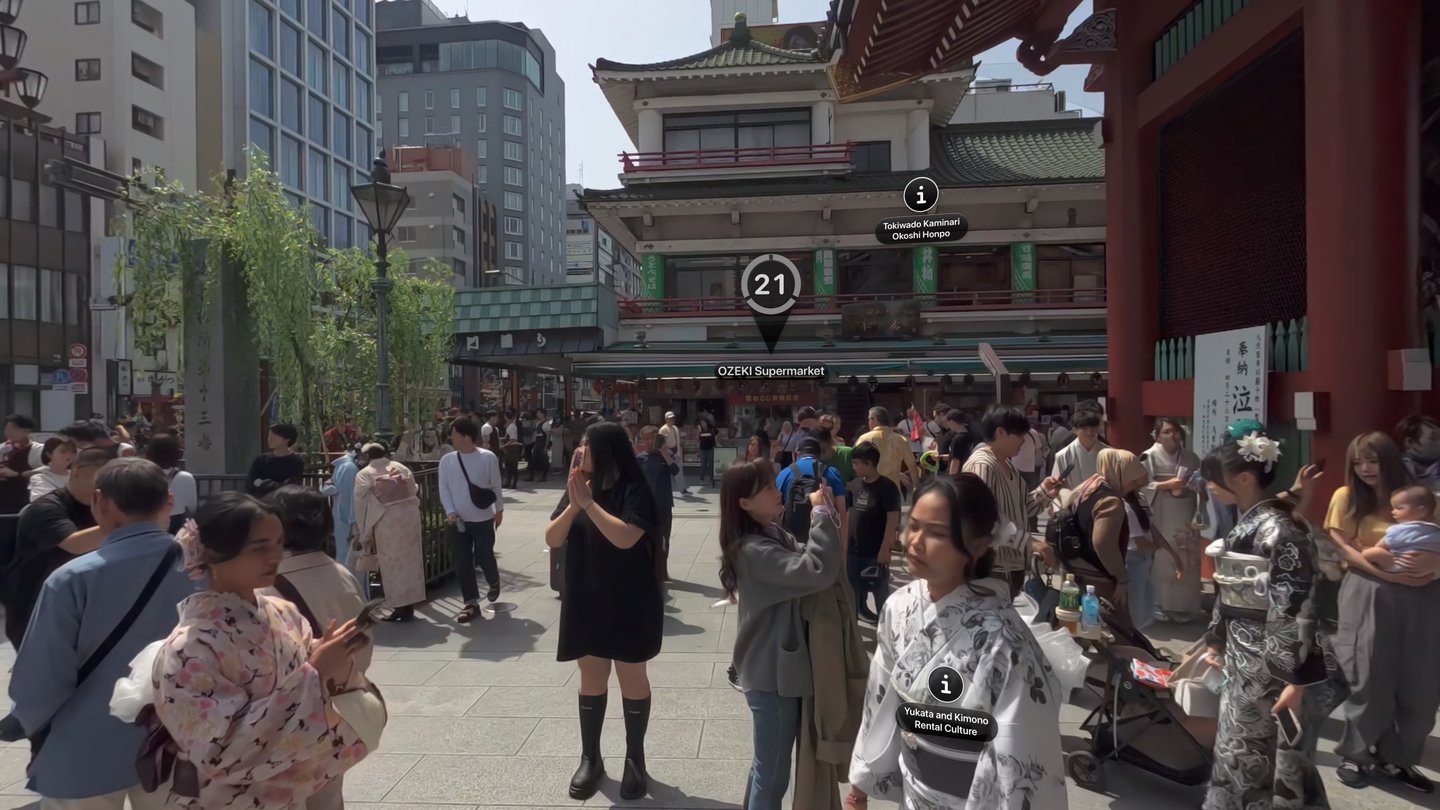
Along the way, you can open markers to read about temple gates, shops, and landmarks. Each place you read about becomes a card in your album. The App Store lists 570 marked places. Family members can keep separate collections, and Guest Mode lets someone else take a quick look. Gündüz lists nine languages for the place stories, including English and Japanese.
What you can explore for free
The starting point in each district and the corners right next to it are free. That’s 15 of the 92 spots. A full district costs $19.99, or you can buy all four for $49.99. Both are one-time purchases. If you buy one district first, its price won’t count toward the bundle later.
Check your headset’s storage before downloading a district. The app itself is about 375 MB, but each district takes 36 to 58 GB. All four were filmed in daylight. You’ll need visionOS 26 or later.
How he filmed Tokyo
Gündüz wanted a camera small enough to use in a crowd. A Blackmagic URSA Cine Immersive was outside his budget, so he converted a QooCam 3, a small 8K 360 camera, to shoot stereoscopic 180-degree video. He came home with more than 400 recordings and about 20 hours of footage.
He upscaled the video to 4096 × 4096 pixels per eye and added frames between the originals to bring playback from 30 to 90 frames per second. You can see how moving between corners works in the developer’s trailer.
More from Apple Vision Pro.
Browse all stories
Apple Immersive Video · 1 min read
The Apple TV App on Vision Pro Now Lets You Discover Immersive Films From Other Apps
Fovii says its films now appear on the Vision tab and open in its app. TARGO’s new film, Entering Formula 1 Racing, joins the lineup November 11.
Immersive Video · 2 min read
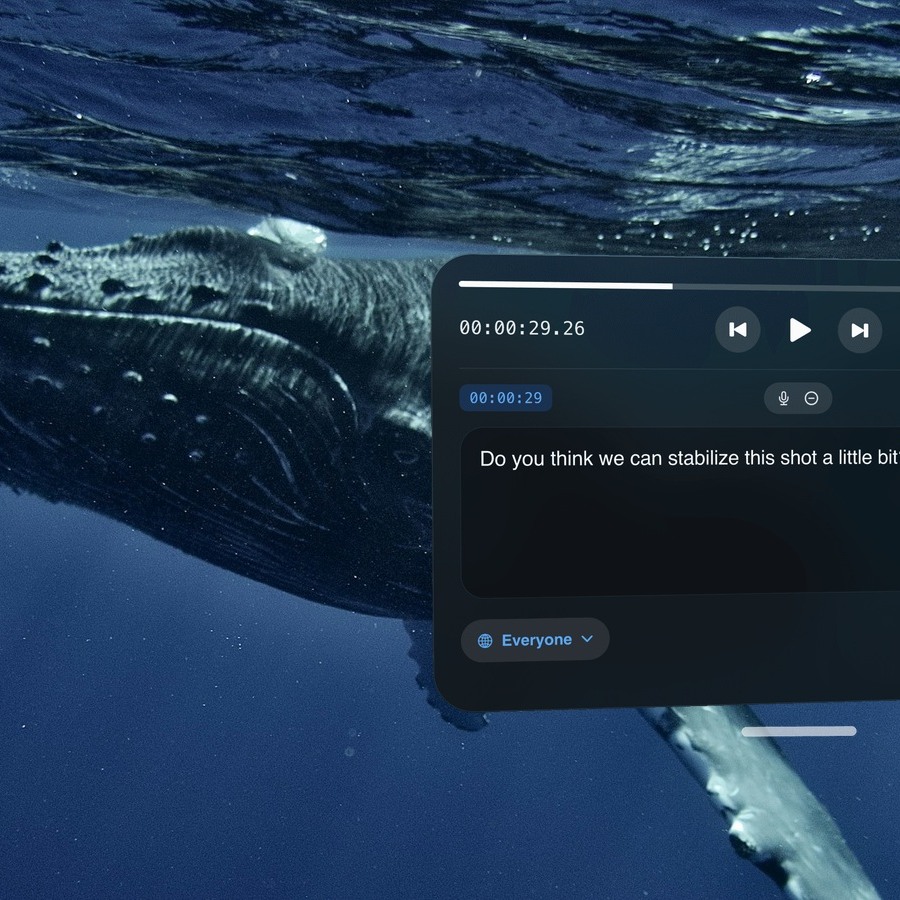
Strada Now Streams Apple Immersive Video From a Mac to Vision Pro Over the Internet
A collaborator can watch footage straight from your Mac and leave notes on the exact frame. Strada can also turn Blackmagic RAW into immersive dailies on that same Mac.
visionOS · 2 min read
Siri AI Gets New App Capabilities and Skills in visionOS 27.3
Apple’s new developer preview lets any app add Siri AI support, with skills that help Siri carry out more complex requests across apps on Vision Pro.