
MultiSet Adds 3D Scan Exports for NVIDIA’s Robot Simulator
The latest update also lets devices find nearby maps automatically, combines separate survey scans, and makes mapped spaces shareable in a browser.
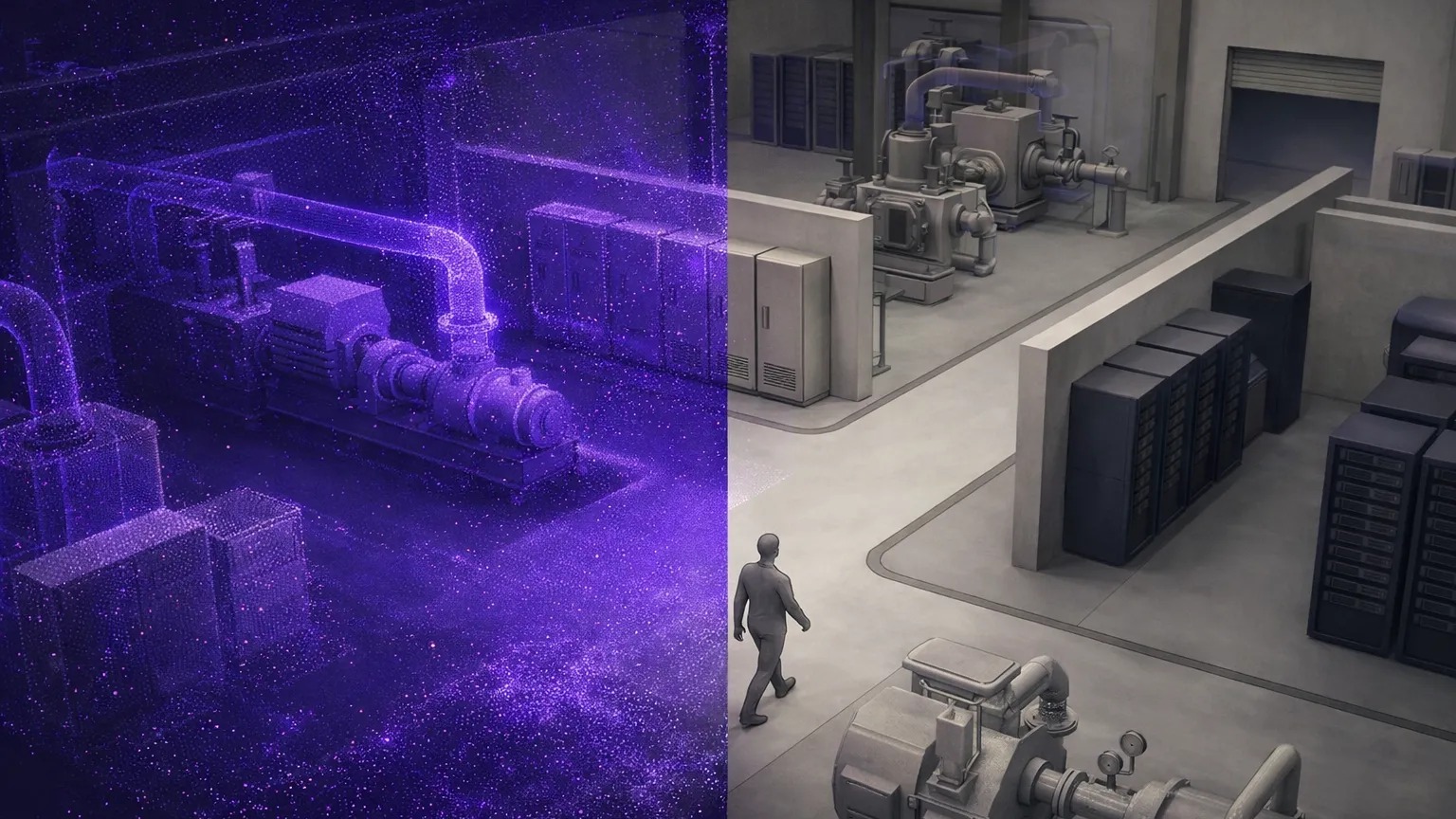
MultiSet (opens in a new tab), a platform that turns scanned places into maps for AR apps and robots, now exports those spaces for use in NVIDIA Isaac Sim and Omniverse.
Released September 19, version 2.3.3 (opens in a new tab) adds textured USDZ downloads for every map. The same capture can provide a scene for simulation and a map for positioning a device in the real space.
The update also removes the need for an app to name the map it wants to search. It can send GPS coordinates instead, and MultiSet selects a nearby map (opens in a new tab) from the account before matching camera images to find the device’s position and direction. The map must already have real-world coordinates and a heading.
Separate E57 laser scans can now be combined without overlapping imagery (opens in a new tab) if they share a survey coordinate system. MultiSet uses those surveyed positions to assemble a MapSet, and further scans can be added without moving existing ones.
New share links (opens in a new tab) let recipients explore a map or MapSet in a browser without an account. Links include the 3D mesh and an optional 360-degree tour. Individual maps can also include a photographic 3D view called a Gaussian splat.
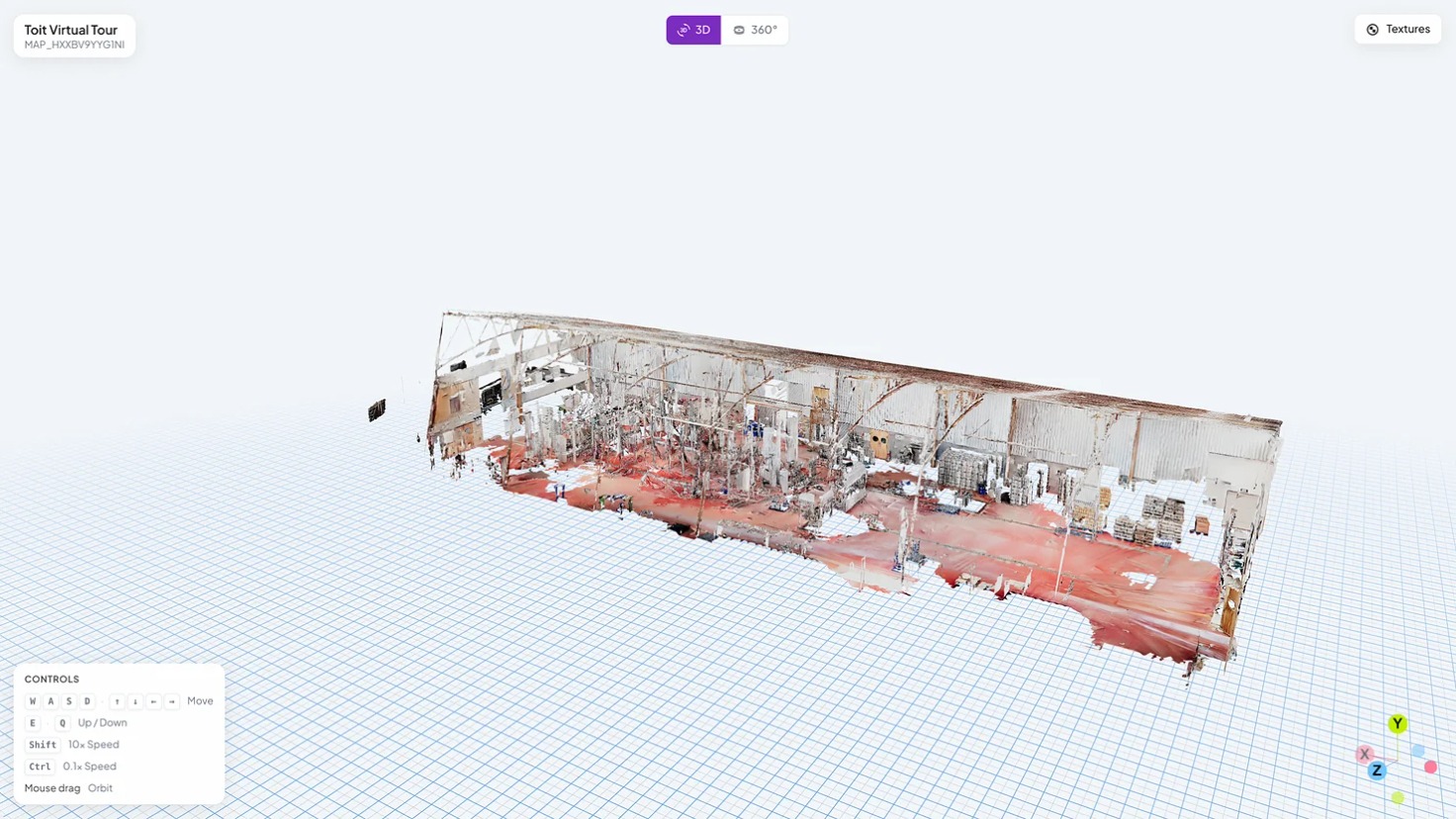
Owners can make links expire, limit them to one opening, or revoke access.
MultiSet says the release is live on its public cloud (opens in a new tab), with private-cloud, self-hosted, and on-device deployments following their own rollout schedules.
More from Capture & Create.
Browse all stories
AI tools · 2 min read
OpenAI Teases 20+ Launches at DevDay Today
An always-on AI agent and new model access are reportedly on the way, with Sam Altman’s keynote streaming free at 10 a.m. Pacific.

Spatial AI · 2 min read
AMD to Buy World Labs for $8.2 Billion
Fei-Fei Li will become AMD’s chief scientist, bringing the team behind Marble and Atlas closer to the chips that power its research.

Immersive cinema · 1 min read
Immersive Warsaw brings filmmakers and creators together on November 5
The in-person event at Kinoteka pairs Apple Vision Pro screenings with filmmaker talks, networking, and an up-close look at Blackmagic’s URSA Cine Immersive camera.