
Blackmagic Unveils What It Calls the World’s First 7th-Order Ambisonic Microphone
On November 11, Blackmagic introduced a spatial audio microphone that packs 108 tiny capsules into one sphere, encodes 64 channels of sound from every direction inside the mic, and sends them over one USB-C cable. It’s due in December 2026, starting at $1,909.
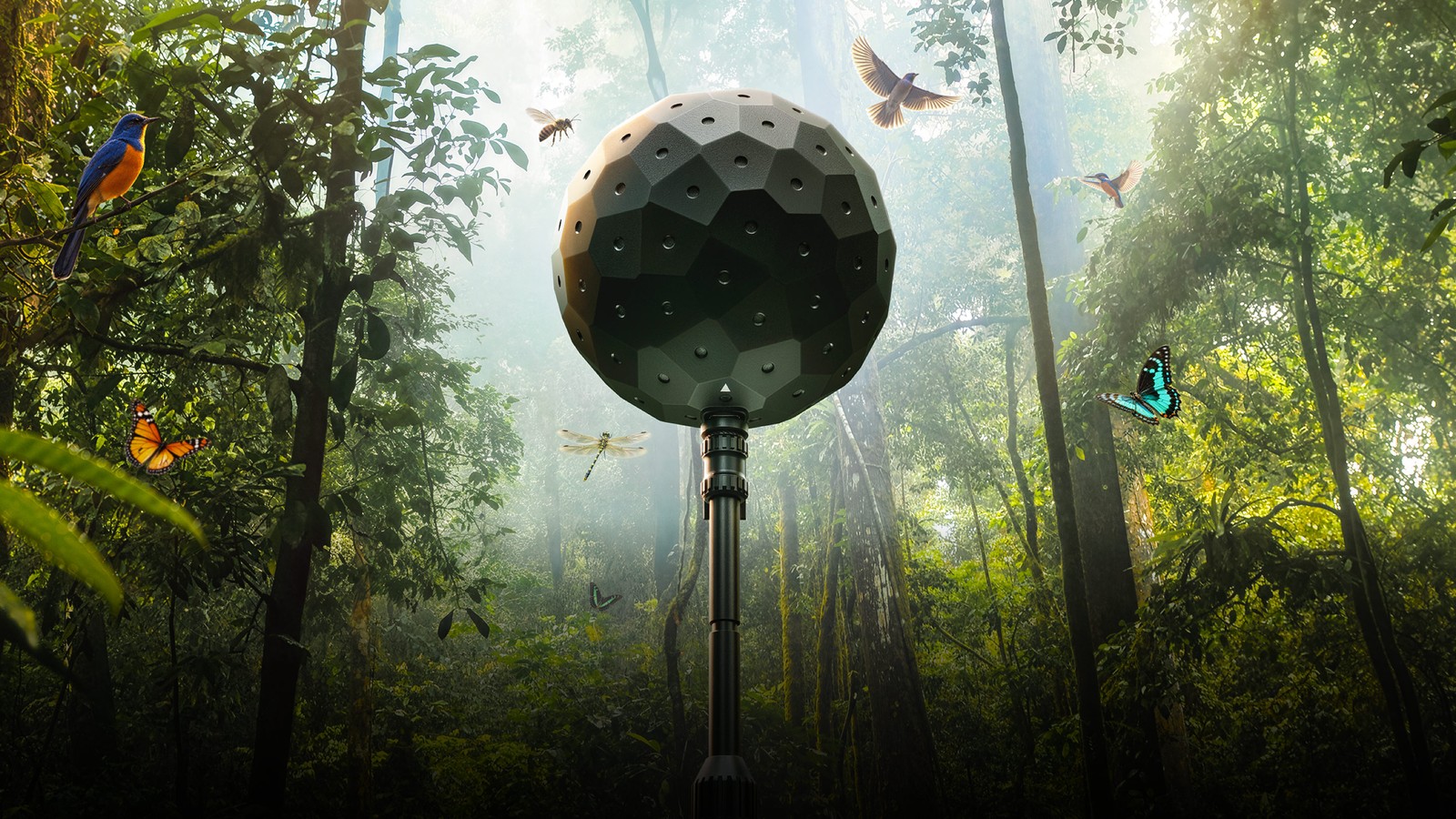
On November 11, Blackmagic Design introduced the Blackmagic Ambisonic Microphone (opens in a new tab). The company calls it the world’s first 7th-order ambisonic microphone. It has 108 tiny MEMS capsules, a built-in spatial encoder, and capture over a single USB-C cable.
Ambisonics is a way of recording the sound all around a point in space, including above and below it. The order is how finely that sphere is described. A common first-order microphone uses four channels. Seventh-order uses 64. Blackmagic says this microphone records 64 channels of 32-bit audio, and that the encoding happens inside the mic.
Here’s the clever part. Those 108 capsules don’t have to be recorded as 108 separate tracks into another box. The spatial encoder is built in, and the result travels over one USB-C cable. The body is rugged aluminum, and a magnetic windshield attaches for work on location.
The microphone is listed at $1,909, and that price includes the Blackmagic Ambisonic Microphone Mount. A kit is $2,405, adding the windshield and a locking USB-C cable. Both are marked coming in December 2026. Blackmagic’s page points to resellers rather than a direct purchase button.
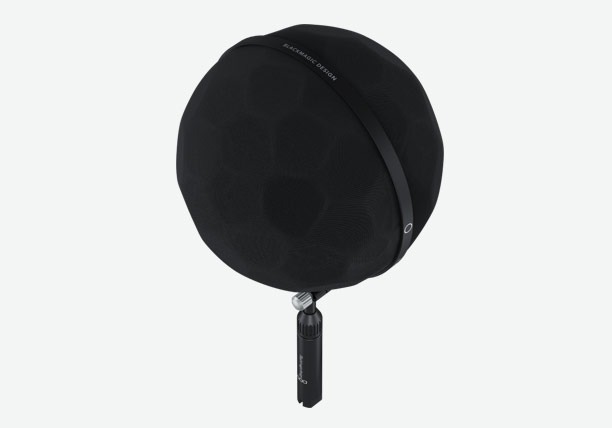
The launch page presents the microphone alongside Fairlight Spatial Audio and DaVinci Resolve Studio, Blackmagic’s own tools for mixing and finishing. Fairlight Live, the company’s live audio mixer, also appears in that presentation.
The same page offers a 7th-order ambisonic sample recording (opens in a new tab) to download, along with the Blackmagic Ambisonic Recorder app for Mac (opens in a new tab). Both downloads are ZIP files.
Blackmagic also lists the microphone next to the URSA Cine Immersive (opens in a new tab), the camera it already sells for Apple Immersive Video on Vision Pro. The microphone page doesn’t describe a Vision Pro recording workflow. We haven’t tested the microphone, the encoder, or the recorder app. The launch page does not include a full technical specification sheet.
More from Capture & Create.
Browse all stories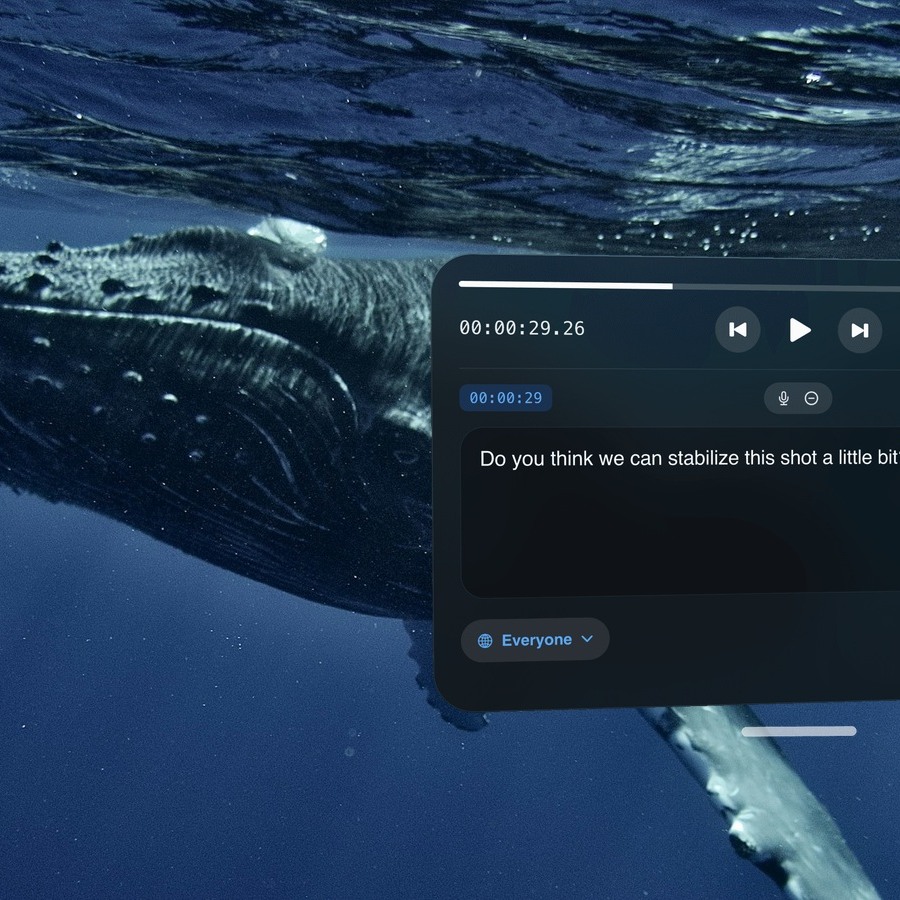
Immersive Video · 2 min read
Strada Now Streams Apple Immersive Video From a Mac to Vision Pro Over the Internet
A collaborator can watch footage straight from your Mac and leave notes on the exact frame. Strada can also turn Blackmagic RAW into immersive dailies on that same Mac.
3D Printing · 4 min read
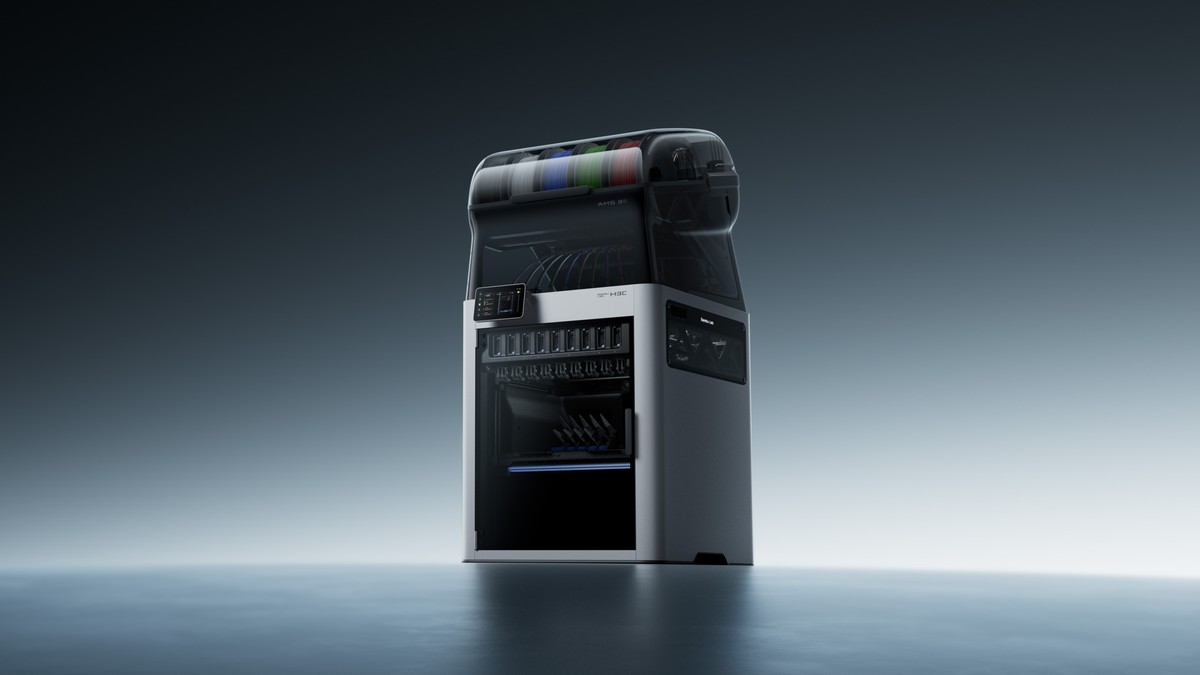
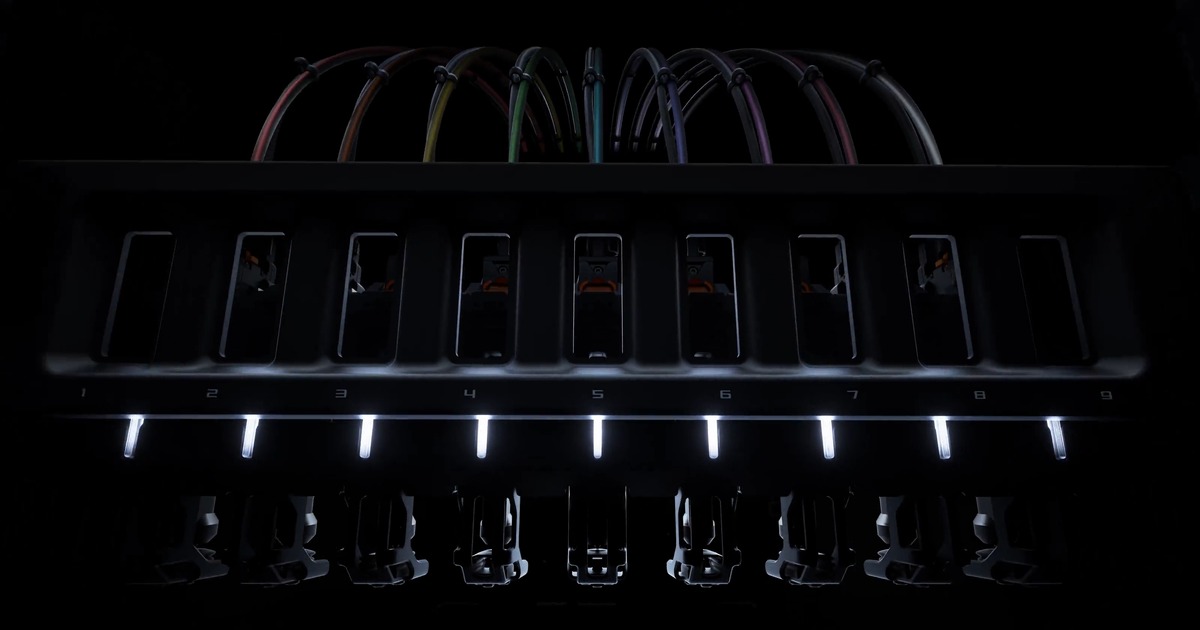
Bambu Lab’s New $2,499 Nine-Tool 3D Printer Can Switch Materials in 6 Seconds
The H3C keeps nine filaments loaded, mixes nozzle sizes in one print, and supports optional tools for cutting, drawing, and pressing patterns into a surface.
3D Printing · 2 min read
Bambu Lab’s Nine-Tool H3C 3D Printer Gets Its Full Reveal November 3
Bambu’s previews show a lifting tool rack, mixed nozzle sizes, soft TPU, and a sealed AMS 3H system with nine filament slots.