Nevada Clears Tesla, Uber, and Waymo Robotaxis for Las Vegas
The three permits set first-year ceilings of 5,000 Tesla vehicles, 1,000 Waymo vehicles, and 1,000 Uber partner vehicles across Clark County.
Nevada has cleared Tesla, Waymo, and Uber to run commercial robotaxi services in Clark County, opening a path for up to 7,000 vehicles during the permits' first year.
The Nevada Transportation Authority approved the three permits on August 20, according to TechCrunch. The decision moves Tesla beyond the 10-vehicle interim permit it received in July and gives all three companies room to build paid services around Las Vegas.
Permits
Tesla received the largest ceiling. Its application covers up to 5,000 vehicles during the first 12 months, while Waymo and Uber's wholly owned Aviari Services subsidiary each applied for up to 1,000.
Those numbers are limits, not promised launch fleets. TechCrunch reported that Tesla Cybercab chief engineer Eric Early told the authority that Tesla would be satisfied to reach about 2,500 vehicles over the next year.
The three official application limits add up to 7,000 vehicles. TechCrunch's headline summary says the permits could cover 8,000, but the report's itemized figures and the Nevada applications list 5,000 for Tesla, 1,000 for Waymo, and 1,000 for Uber.
Services
Tesla runs its Robotaxi service with Model Y vehicles today and says its purpose-built Cybercab will offer rides in the future. The company has not announced which vehicle will begin service in Nevada.
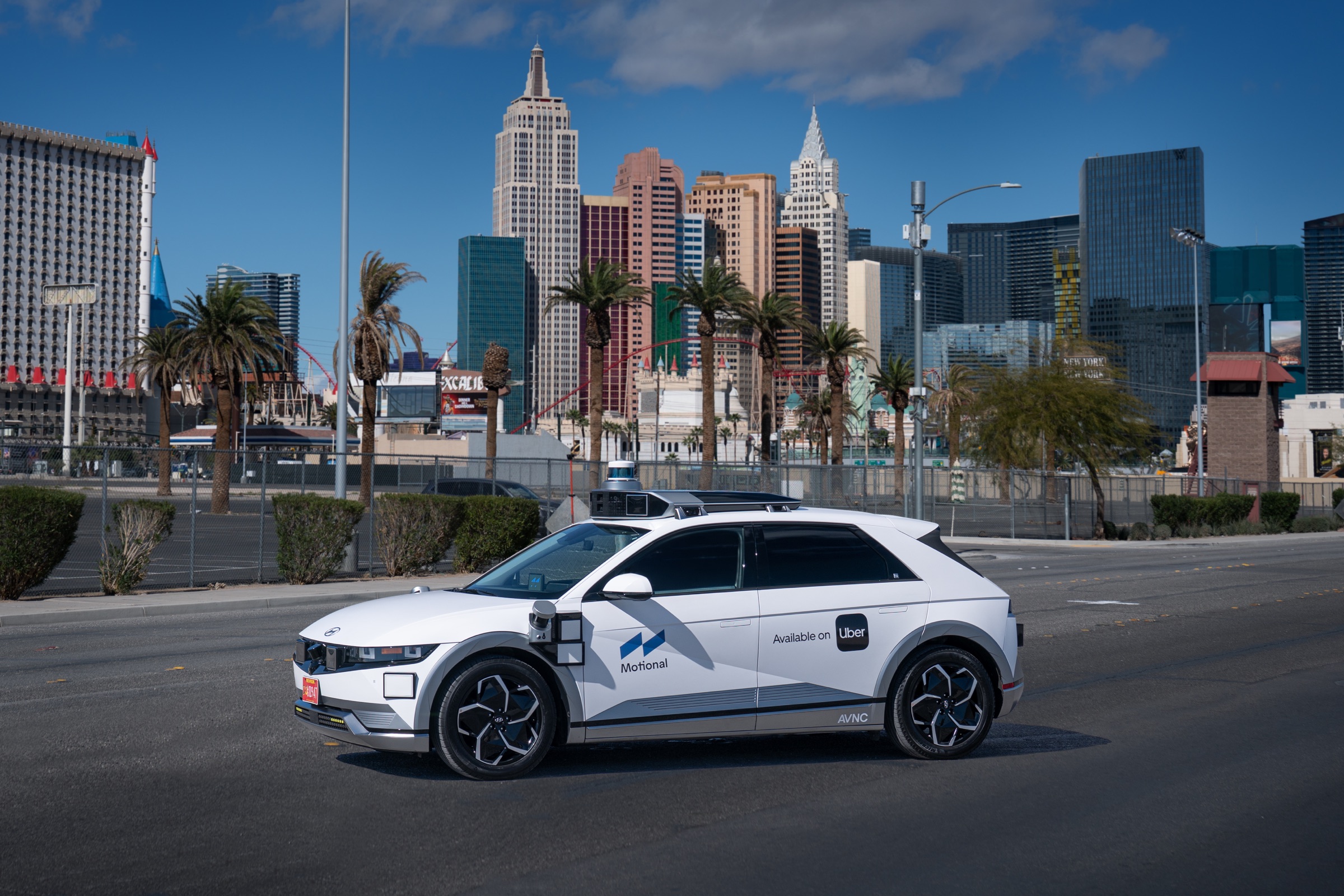
Waymo's permit gives it a direct route to paid rides in Clark County. Uber plans to use its permit with autonomous-vehicle partners Motional and Zoox rather than operate one self-driving system of its own.
Uber and Motional launched rides in Las Vegas in March with an operator monitoring the road from the driver's seat. Their official launch plan calls for fully driverless rides by the end of 2026. Zoox already offers public rides through its own service in Las Vegas and has also announced plans to put its purpose-built robotaxis on Uber.
Launch Details
A commercial network permit is only one part of operating in Nevada. The DMV uses a separate self-certification process tied to each vehicle's make, model, and year, and services must stay inside an approved driving area and geofence.
TechCrunch reported that local taxi and livery representatives opposed the permits over congestion and the effect on drivers, particularly around the Strip and airport corridor where much of the autonomous testing has occurred.
Tesla, Waymo, and Uber have not announced exact fleet ramps, public launch dates, service maps, or airport access under the new permits. Those details will show how quickly the approvals turn into robotaxi rides across Las Vegas.
More from Robotics.
Browse all stories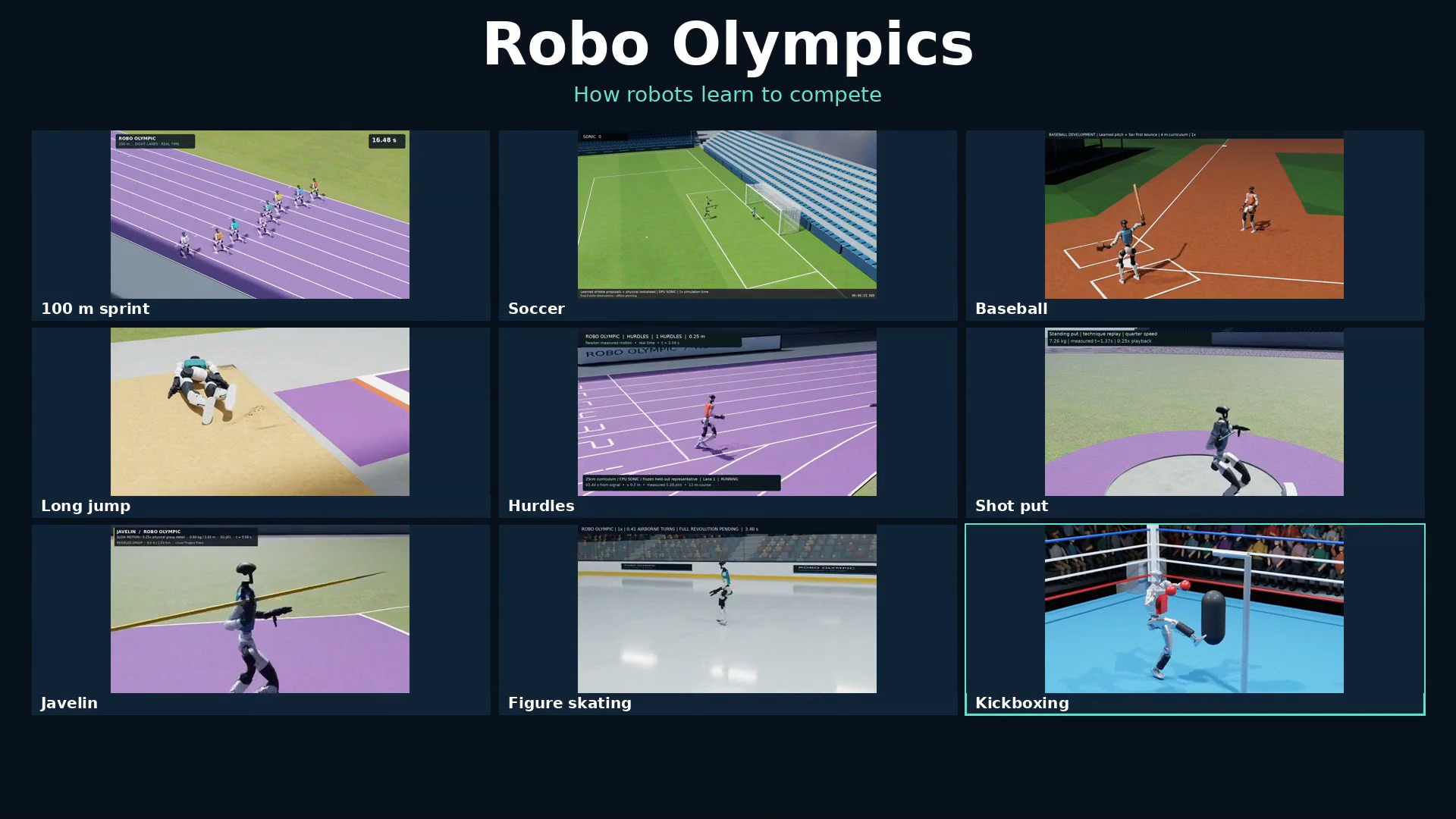
Robot simulation · 1 min read
NVIDIA’s Robo Olympics sends simulated robots sprinting, skating, and kickboxing
Sports videos and written prompts guided OpenAI’s Astra in building the events, with NVIDIA’s simulation tools turning motion references into tested robot movements.
3D mapping · 2 min read
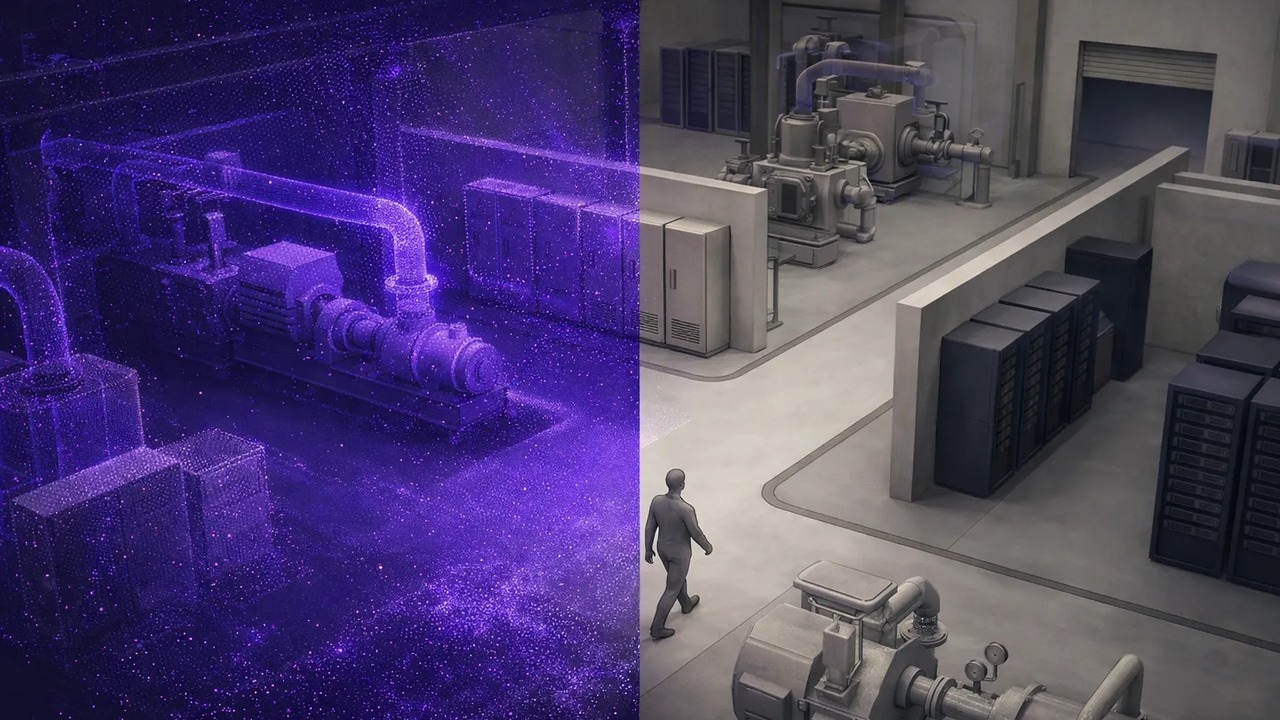
MultiSet Adds 3D Scan Exports for NVIDIA’s Robot Simulator
The latest update also lets devices find nearby maps automatically, combines separate survey scans, and makes mapped spaces shareable in a browser.

Spatial AI · 2 min read
AMD to Buy World Labs for $8.2 Billion
Fei-Fei Li will become AMD’s chief scientist, bringing the team behind Marble and Atlas closer to the chips that power its research.