
Reachy Mini Robot Gets Wheels, Personality Hats, and a Phone App
Drive the little open-source robot from your phone, see through its camera, and snap on a hat to change its character.
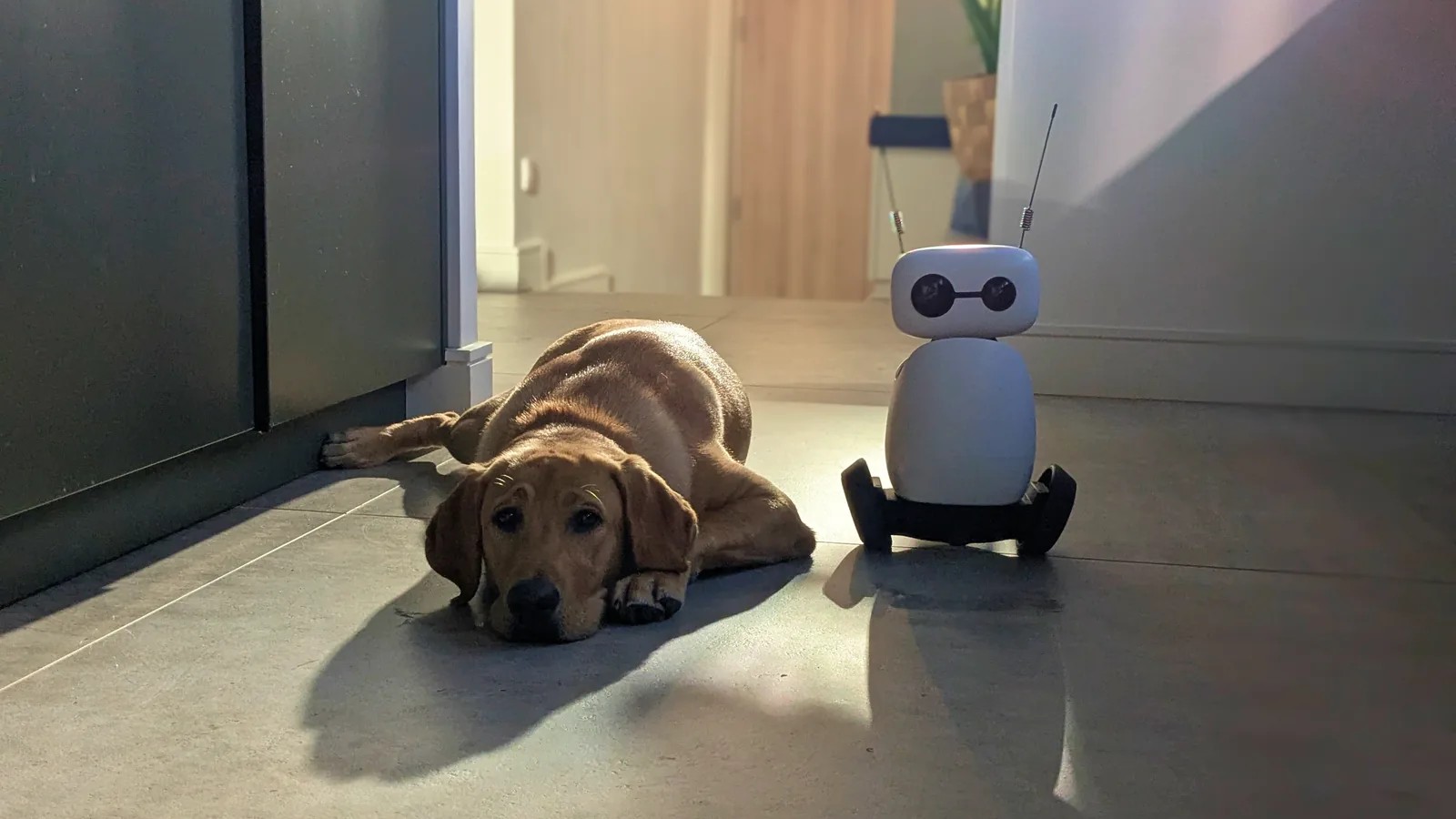
Pollen Robotics announced Level Up for its Reachy Mini robot (opens in a new tab) on October 29. The update adds a $149 wheeled base, a $35 pack of personality-changing hats, and iOS and Android apps.
Reachy Mini is the small, open-source robot from Hugging Face’s robotics team. It can talk, look around, and run community-made apps. The new wheels give it a way off the desk.
The hoverboard
The base is a two-wheeled platform. Set Reachy Mini on top, lock it in, and drive it from your phone. Two on-screen joysticks control the wheels and its head, while live video shows you what the robot sees.
It arrives fully assembled, with a battery and electronics built in. Supports keep it from tipping when it stops or powers off.
The hoverboard only works with Reachy Mini Wireless, which has its own computer and battery inside. Reachy Mini Lite needs a connected computer and cannot use the base.
The hats
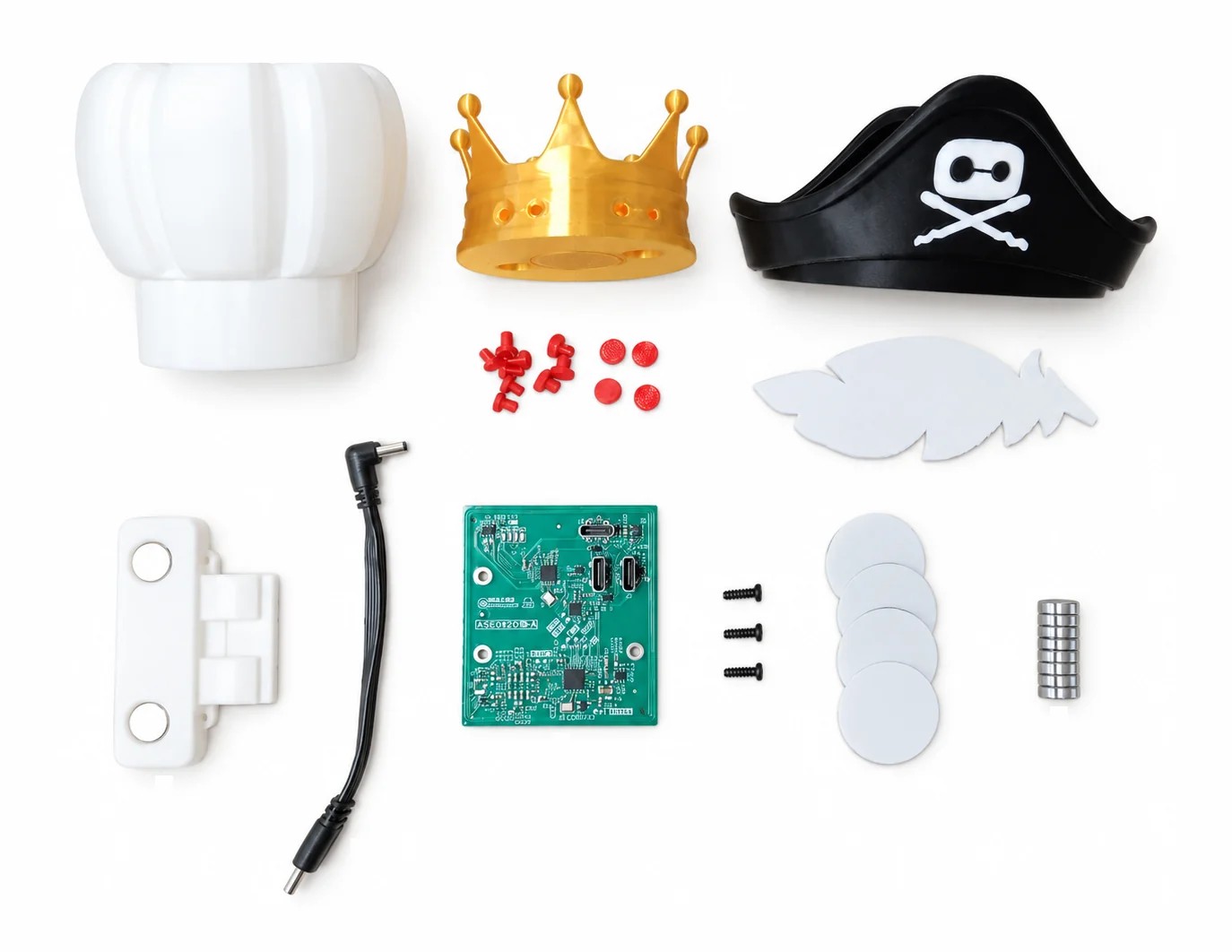
The NFC Accessory Pack comes with a chef hat, a pirate hat, and a crown. Each one switches Reachy Mini to a different character in its conversation app.
NFC is the short-range wireless technology used for tap-to-pay. You install a small reader inside the robot’s head, then snap on a hat. Magnets hold it in place, and the tag inside tells the robot which character to use.
The pack also includes four blank NFC tags and eight magnets. Put a tag on an accessory you make, and link it to your own personality or code. The hats work with both Wireless and Lite.
The phone app
The new mobile app (opens in a new tab) lets you set up and use Reachy Mini Wireless entirely from your phone. Lite still runs from a Mac, Windows PC, or Linux computer.
Pollen lists more than 500 community apps, including remote control and tools for recording and replaying the robot’s movements.
If the app you want doesn’t exist, Pollen also offers an AI coding tool (opens in a new tab). Describe what you want in a chat, and an AI agent writes the code. You can try it on your robot before adding it to the app catalog.
Price and availability
Reachy Mini Wireless costs $499, and Lite costs $399. Both come as kits that take about two and a half hours to build. Pollen lists shipping within 90 days of purchase, often sooner.
The $149 hoverboard (opens in a new tab) and $35 hat pack (opens in a new tab) are available to order separately. Pollen expects the first orders for both accessories to ship at the end of January 2027.
If you’re starting from scratch, the Wireless robot and wheels come to $648 before shipping and taxes.
More from Robotics.
Browse all stories
AI World Models · 2 min read
Google Unveils Genie 4, Its Most Realistic AI World Model Yet
Genie 4 combines Gemini’s reasoning with more realistic physics, natural movement, and generated sound and dialogue. Trusted testers are getting access first.
3D Capture · 2 min read
Kosmo’s New 3D Scanner Captures Gaussian Splats for Films and Robotics
Kosmo One combines LiDAR and cameras. Its cloud software can rebuild a space, move objects, and fill in areas the scan missed.

3D capture · 2 min read
Gracia Says Its New AI Creates 3D Replays With as Few as Four Cameras
The World Reconstruction Model promises near real-time sports replays, with broader uses in film effects, 4D capture, and robot training.