
Viggle’s JST-2 AI Model Builds 3D Worlds, Not Just Video
JST-2 tracks objects and movement in 3D, so you can explore the same scene from different angles without running the AI again.
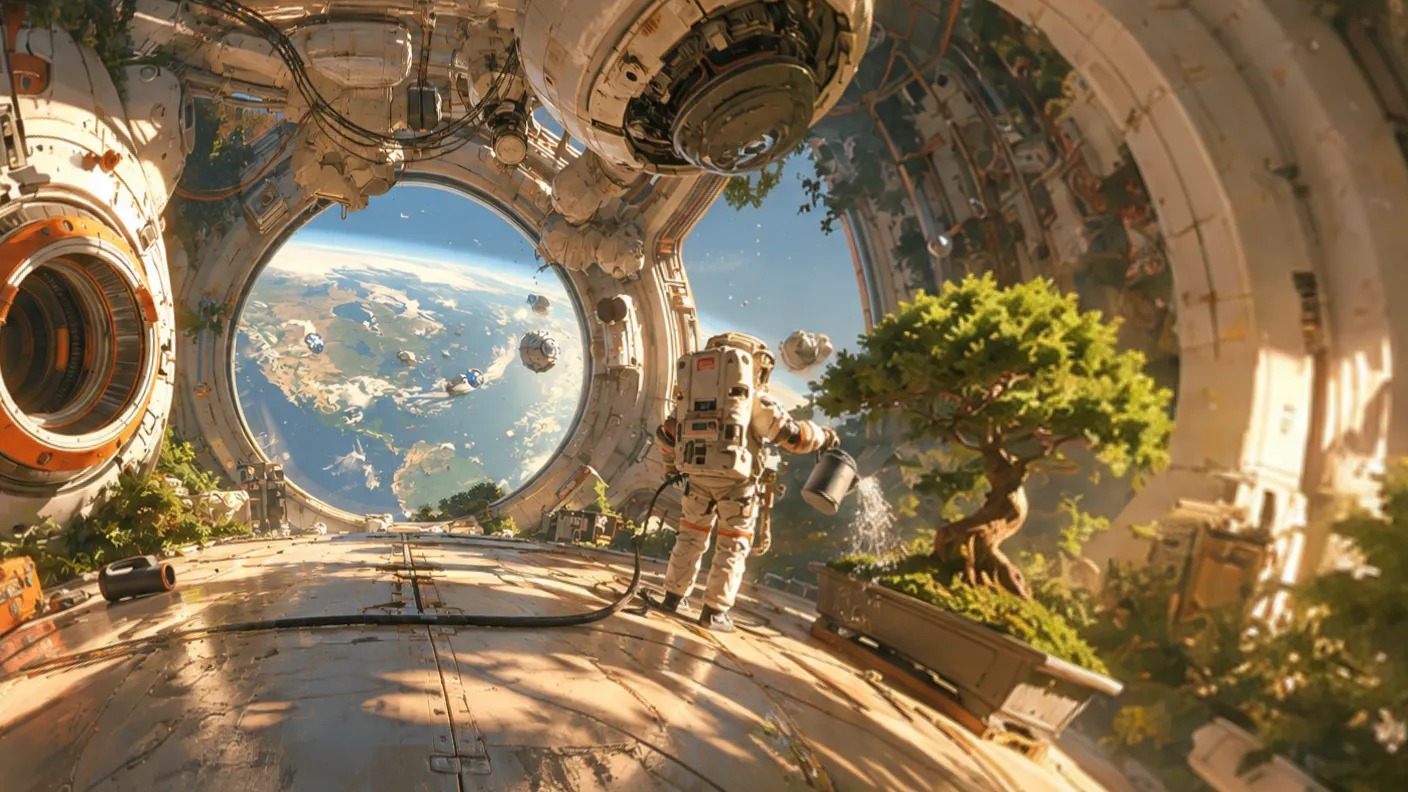
Viggle’s new JST-2 (opens in a new tab) model brings scenes, characters, and motion into one 3D world you can explore from different angles.
Viggle’s approach starts with a difference from many AI video models. Those models learn how the world looks through pixels. JST-2 represents parts of the world in 3D and tracks how they move. A chair stays part of the room even when you look away.
That means your browser can show the same scene from new angles without rerunning the AI. The model runs again when you create new content or expand the scene.
Viggle reports generating a scene in about one second, at a computing cost below one cent. Those figures use an NVIDIA B200 GPU and exclude network delays.
In the launch demo, a robot picks up a box in a living room. Typed instructions add a woman, then a father and child. Another instruction sends the robot over to hand the box to the child. The view switches between the room and what the robot sees.
Viggle’s earlier JST-1 model focused on character generation and animation. JST-2 adds the scenes those characters inhabit.
Characters can start from a single image, ready to move. There is no separate rigging step, where an artist adds a digital skeleton. Give them an action through text or a reference video, and the model produces the movement too.
Viggle also wants these worlds to become training grounds for AI. JST-2 still uses programmed physics rules for collisions and object interactions. Its next model, JST-3, is being developed to learn those interactions from data.
You can try JST-2 free in PINOC (opens in a new tab), Viggle’s browser app, or explore the ready-made scenes in its gallery.
More from Capture & Create.
Browse all stories
World models · 2 min read
World Labs Rolls Out Beta Access to Its Atlas AI World Builder
Creators can build 3D scenes from reference images, set precise camera paths, and reuse generated views to extend a world.
3D capture · 2 min read
Gracia Says Its New AI Creates 3D Replays With as Few as Four Cameras
The World Reconstruction Model promises near real-time sports replays, with broader uses in film effects, 4D capture, and robot training.
Blockworks · 2 min read
Blockworks Turns Your Words Into Builds with AI on Apple Vision Pro
A new AI demo makes a boat, a bicycle picture, and a statue from virtual blocks you can pick up and take apart.