
Gracia Says Its New AI Creates 3D Replays With as Few as Four Cameras
The World Reconstruction Model promises near real-time sports replays, with broader uses in film effects, 4D capture, and robot training.
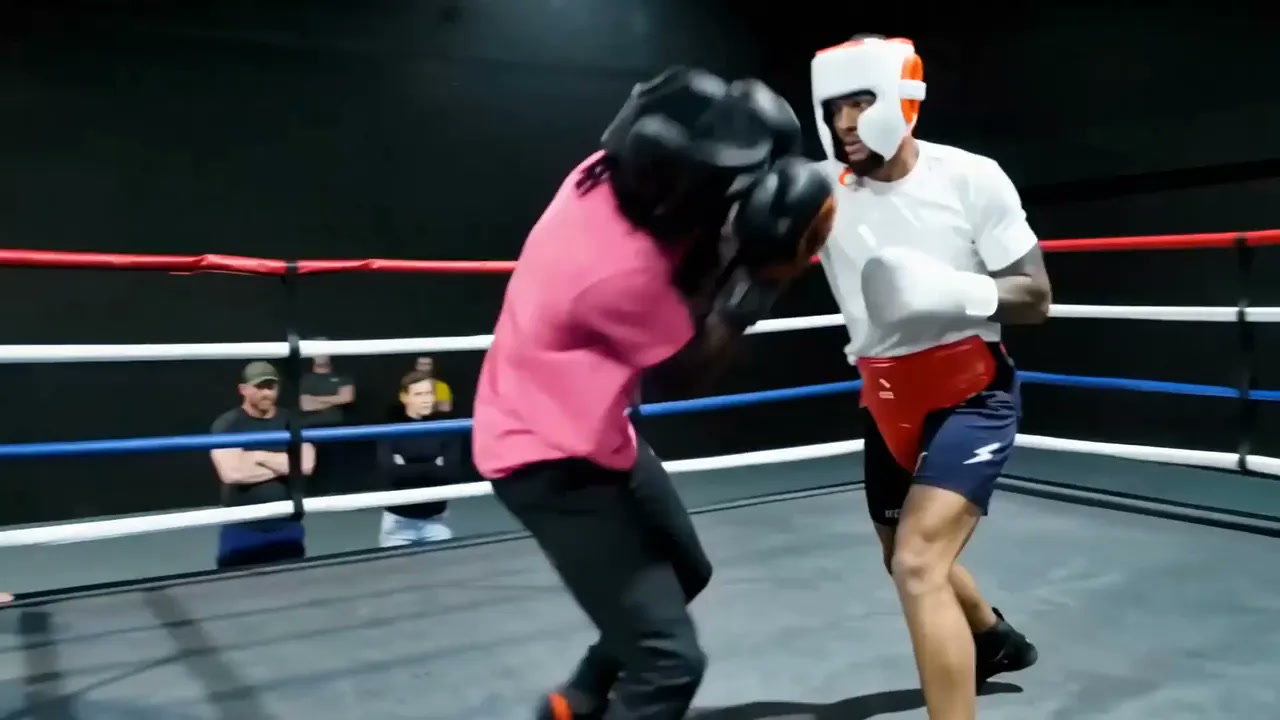
Gracia has introduced its World Reconstruction Model (opens in a new tab), an AI model that turns footage from several cameras into moving 3D scenes for film effects, robot training, and sports replays.
4D reconstruction captures a scene in 3D as it changes over time. You can move around the action and see it from new angles while it plays.
The boxing demo makes it easy to picture. The view moves around the fighters, showing the match from angles where no camera was standing. For sports replays, Gracia says the model works with four to eight cameras and processes the footage in near real time.
That is a much smaller setup than the classic 4D capture workflow in Gracia’s comparison (opens in a new tab), which uses 40 or more specialized cameras and takes at least a day to process. Fewer cameras and a shorter wait could help bring these views into sports broadcasts.
But the same idea reaches beyond the ring. For films, Gracia is building tools to bring real performances into digital scenes. For robotics, it is building ways to turn real captures into digital scenes for training and testing. Both give people a way to work with what happened in the real world, in 3D.
Gracia also offers a self-service suite for processing 4D captures. Creators can send in footage to turn it into a moving scene.
The bigger idea is to give real footage a life beyond the original shot. A performance can become part of a film. A captured scene can help train a robot. A replay can reveal a view that helps explain the play.
More from Capture & Create.
Browse all stories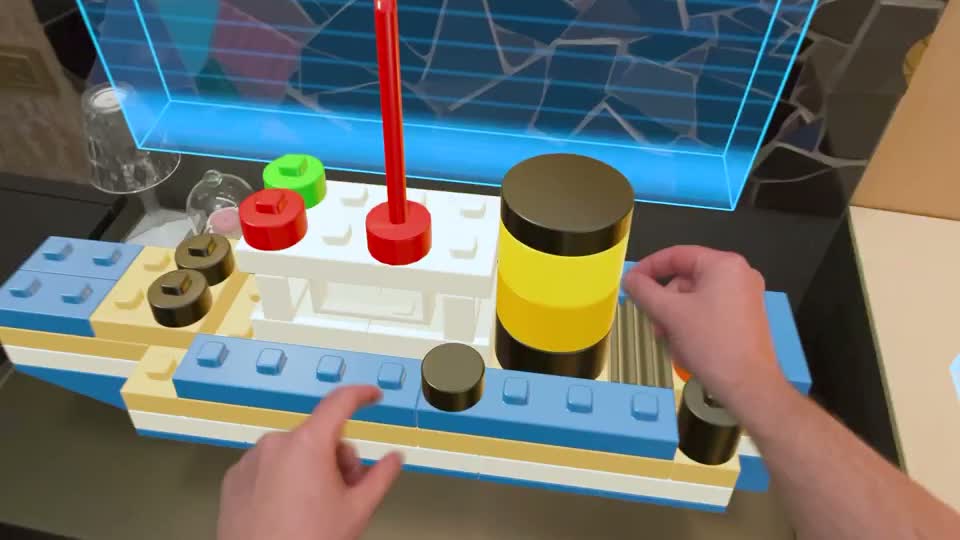
Blockworks · 2 min read
Blockworks Turns Your Words Into Builds with AI on Apple Vision Pro
A new AI demo makes a boat, a bicycle picture, and a statue from virtual blocks you can pick up and take apart.
Tripo AI · 4 min read
Tripo Adds 3D Animation From Text Prompts
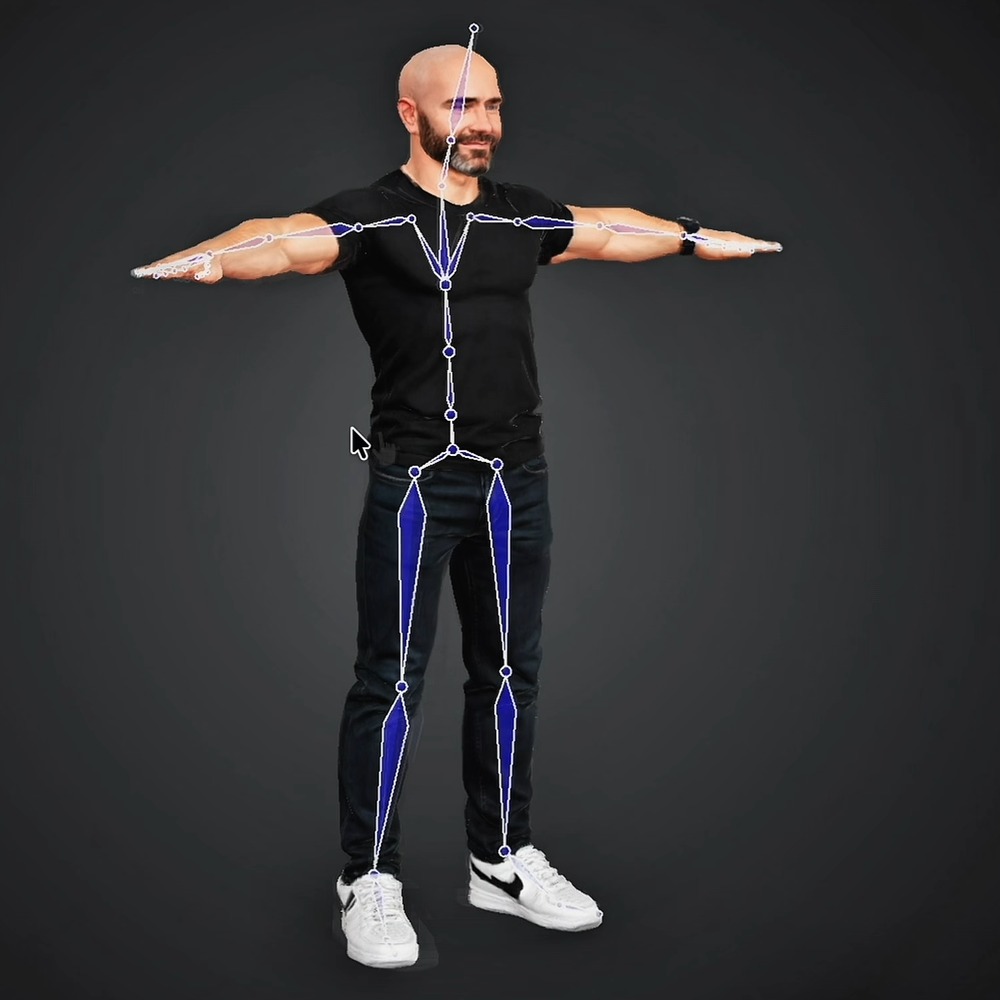
Creators can generate short actions from prompts and combine up to five motion segments, with skeleton options for Unreal Engine, Unity, and avatar workflows.
Robot simulation · 1 min read
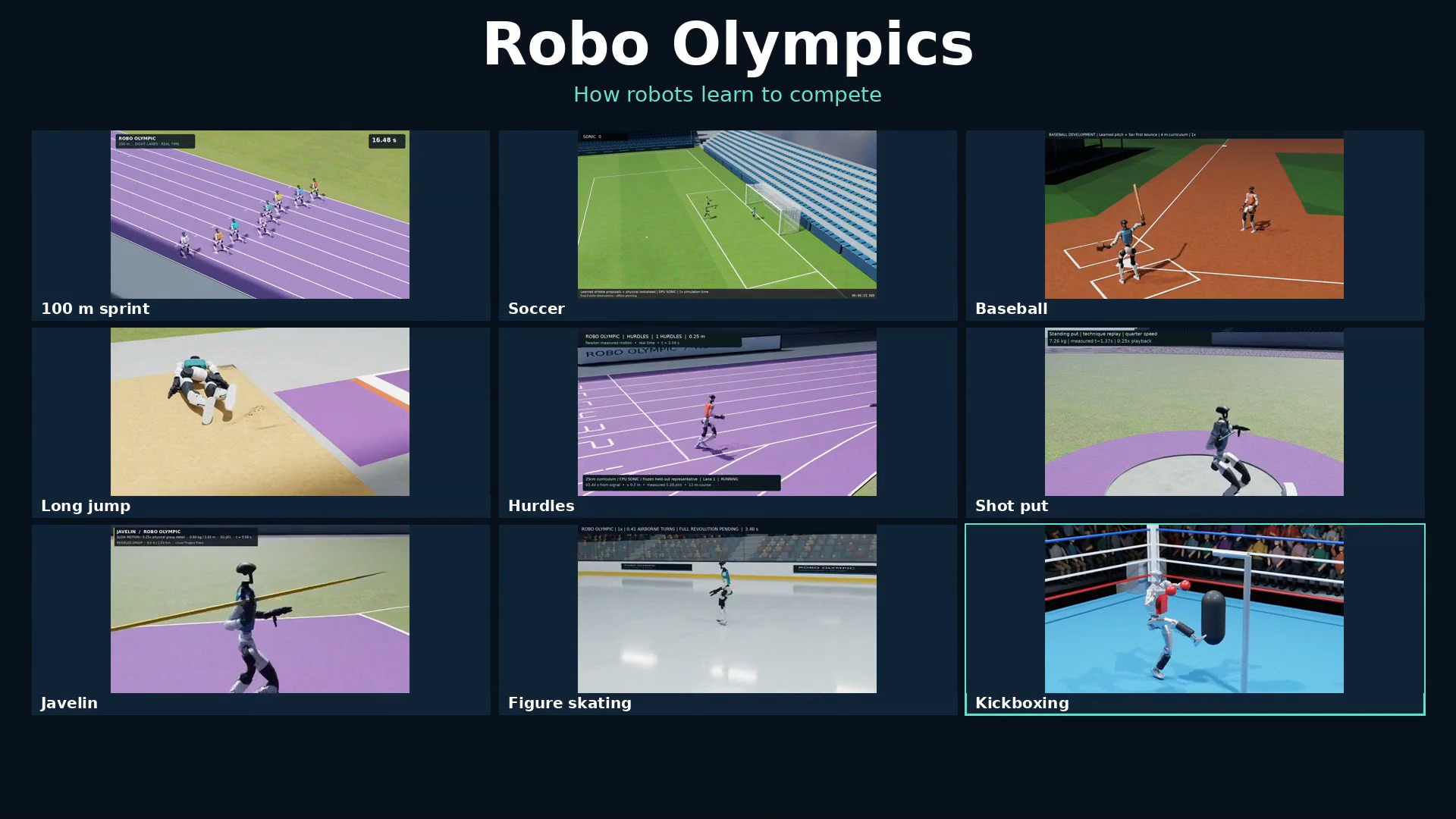
NVIDIA’s Robo Olympics sends simulated robots sprinting, skating, and kickboxing
Sports videos and written prompts guided OpenAI’s Astra in building the events, with NVIDIA’s simulation tools turning motion references into tested robot movements.