
World Labs’ Atlas Combines World Creation, Capture, and Simulation
One model generates camera-controlled video, reconstructs explorable 3D scenes, and reframes motion captured with as few as three cameras.

World Labs introduced Atlas on September 1 as one model for generating, reconstructing, and simulating worlds.
That could put a small multiview studio inside a backpack. World Labs recorded its demonstrations with ordinary phones and action cameras on tripods and clamps instead of a specialized capture stage.
Capture
Atlas reconstructs a performance from three to five camera views. Once the scene is built, a creator can freeze the action and move the viewpoint around it for a bullet-time shot.
World Labs calls this space-time simulation. Space describes where everything sits in 3D. Time preserves how the people, objects, and scene move from one moment to the next.
The company’s examples show selected scenes rather than an independent test. World Labs has not said how closely the cameras need to match, how long processing takes, or which hardware runs the model.
Generation
Atlas can start with one to six reference images and generate the views between them along a camera path designed by the creator. World Labs says the current model can produce up to one minute of video at 1440p.
The demonstration moves between distinct environments while keeping the camera motion continuous. It is a selected World Labs result, and the company has not published generation times or shown how consistently other inputs hold together over the full minute.
Reconstruction
Atlas can also rebuild a still place from one image, a video, or more than 100 images. With only one view, the model uses what it has learned to imagine the parts it cannot see. More views give it more evidence and leave fewer gaps to invent.
World Labs says Atlas usually produces a faithful reconstruction from two or three images. The model can return new camera views, a 3D point cloud, or a Gaussian splat that renders as an explorable scene.
A Gaussian splat builds a place from many small shapes that carry color, depth, and position. Atlas uses the same kind of 3D scene as Marble, World Labs’ current tool for generating and exploring worlds.
Robotics
Atlas also turns real recordings into places where robots can train. World Labs shows large environments reconstructed from 24 frames of phone video, then viewed through simulated cameras mounted on different robot bodies.
The model can generate the color and depth information those cameras would see as the robot moves. Other demonstrations rebuild tasks with rigid objects, hinged parts, and soft materials, then change the lighting, background, object position, or robot motion to create more training examples.
These results could help a robotics team test more situations before risking real hardware. For now, they remain demonstrations chosen by World Labs rather than evidence of how Atlas performs across unfamiliar places and tasks.
Early Access
Atlas is entering early access with select partners. World Labs has not announced pricing, general availability, or when developers will be able to use it through a public product or API.
The company says Atlas will power future versions of Marble and other products. Atlas brings generation, reconstruction, and simulation into one model, opening a path from a few ordinary recordings or reference images to explorable, controllable 3D worlds.
More from Capture & Create.
Browse all stories
World models · 2 min read
World Labs Rolls Out Beta Access to Its Atlas AI World Builder
Creators can build 3D scenes from reference images, set precise camera paths, and reuse generated views to extend a world.
3D capture · 2 min read
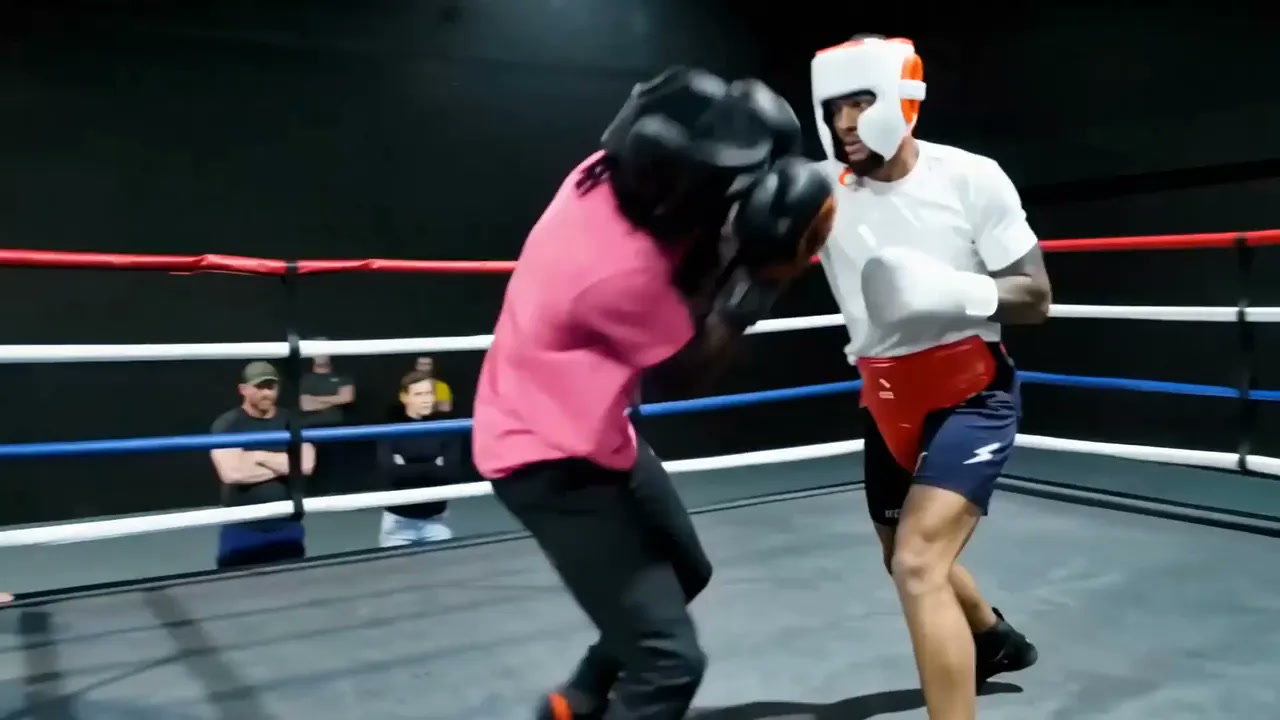
Gracia Says Its New AI Creates 3D Replays With as Few as Four Cameras
The World Reconstruction Model promises near real-time sports replays, with broader uses in film effects, 4D capture, and robot training.
Blockworks · 2 min read
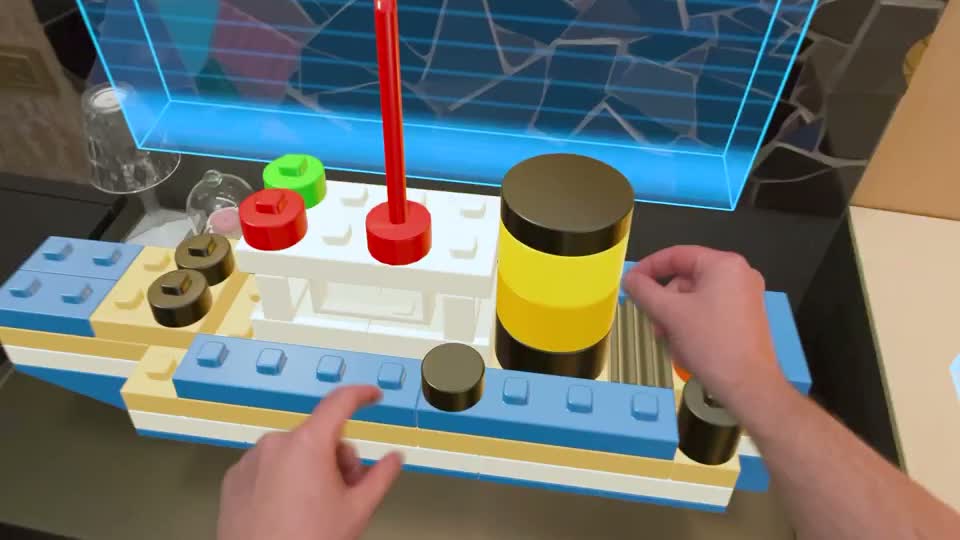
Blockworks Turns Your Words Into Builds with AI on Apple Vision Pro
A new AI demo makes a boat, a bicycle picture, and a statue from virtual blocks you can pick up and take apart.