
XGRIDS Gaussian Splats Now Work With SketchUp’s Splat Extension
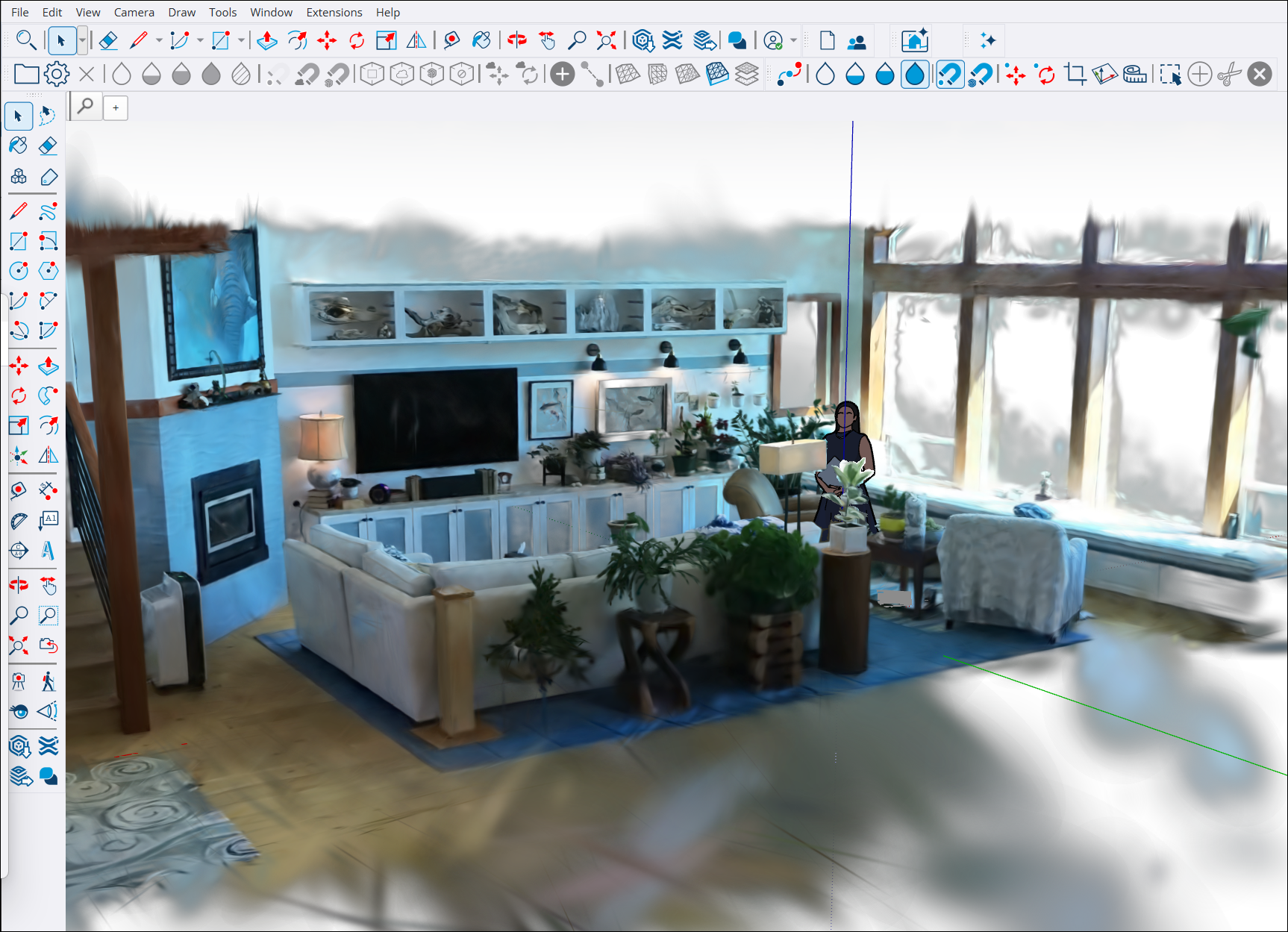
The Gaussian Splats extension brings captured spaces into the modeling window, where designers can snap new geometry to the scan and compare it with their plans.

XGRIDS says its LCC and LCC2 scan formats work with SketchUp’s Gaussian Splats extension (opens in a new tab), letting designers bring captured real-world spaces into the same window as their 3D models.
The practical payoff is designing with the existing space in view. A scanned room or building can provide the visual reference for new SketchUp geometry, rather than sitting in a separate viewer.
Working With Scans in SketchUp
A Gaussian splat represents a captured scene using many small, overlapping splats that reproduce its appearance from different viewpoints. In SketchUp, that scene sits alongside the geometry you create.
SketchUp’s modeling tools for splats (opens in a new tab) let you choose whether drawing tools snap to the scan or prioritize your SketchUp model. You can also crop the scan, move and rotate it, align it with the model axes, and set its scale using a known distance.
The extension offers different display modes for different jobs. Rendering Mode emphasizes visual quality, while Modeling Mode reveals individual splats for picking and snapping. Point Cloud Mode provides a lighter view for navigating larger scenes.
What You Need to Use It
The official setup guide (opens in a new tab) requires Windows, SketchUp 2024 or newer, and an active Pro, Pro Scan, Pro Advanced Workflows, or Studio subscription. macOS is not supported. SketchUp says the extension is included at no additional cost while it remains in the Labs program.
One detail to keep in mind when sharing a design is that splat changes are saved separately (opens in a new tab) from standard SketchUp geometry. Save them through the Splat Manager and send the linked .sklat file along with the .skp model so collaborators receive both.
To try the workflow, install Gaussian Splats from SketchUp’s Extension Warehouse (opens in a new tab), restart SketchUp, and open the Splat Manager. Its Load Sample option lets you explore a captured scene before importing one of your own.
More from Capture & Create.
Browse all stories
AirVis Spatial · 2 min read
AirVis Spatial Lets AI Understand and Navigate Your Gaussian Splats
Connect your Gaussian splat to Codex, and AI can look around with you, help you find things, and explain what it sees.
3D Scanning · 2 min read
XGRIDS Unveils Lixel L3 Scanner With 5 mm Accuracy and 4K HDR
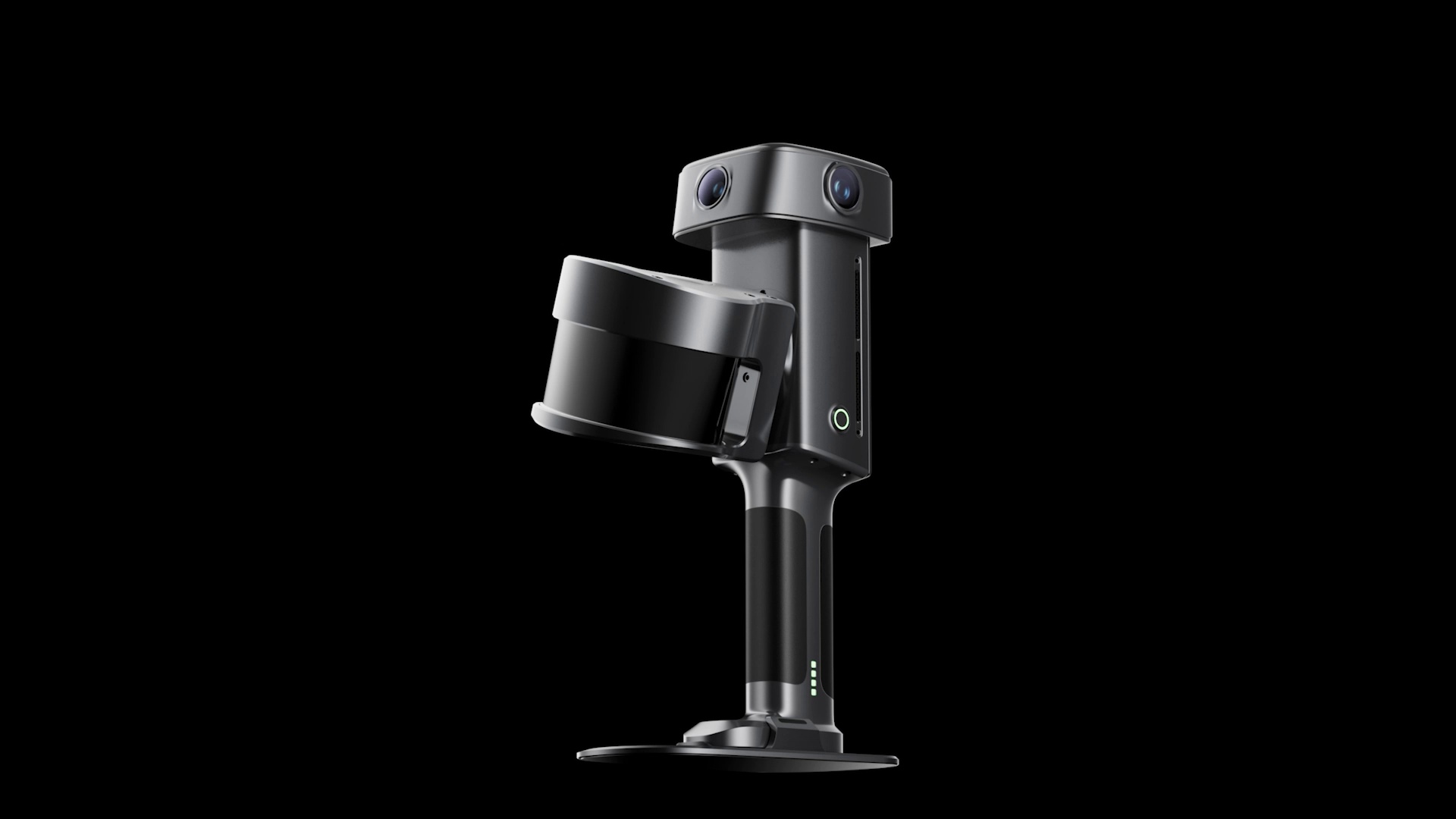
The L3 upgrades XGRIDS’ handheld scanning hardware with larger camera sensors, built-in positioning, and a screen for use in the field.
World models · 2 min read
World Labs Previews Real-Time World Generation With Atlas
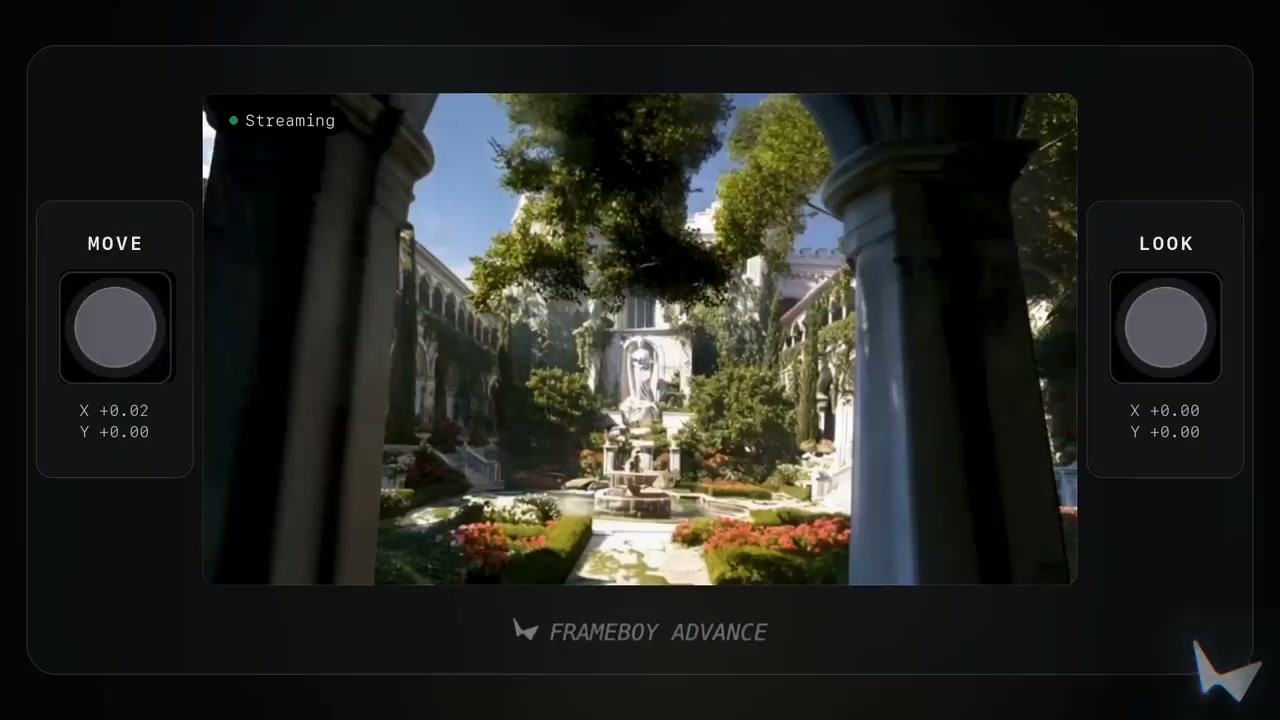
The AI model creates new views as you move, using reference images and earlier frames to keep the scene consistent.