
World Labs Opens Atlas Gaussian Splat Creation in Marble
Creators can turn Atlas views into downloadable 3D scenes, with a new beta API for building splats from generated views or photographs.
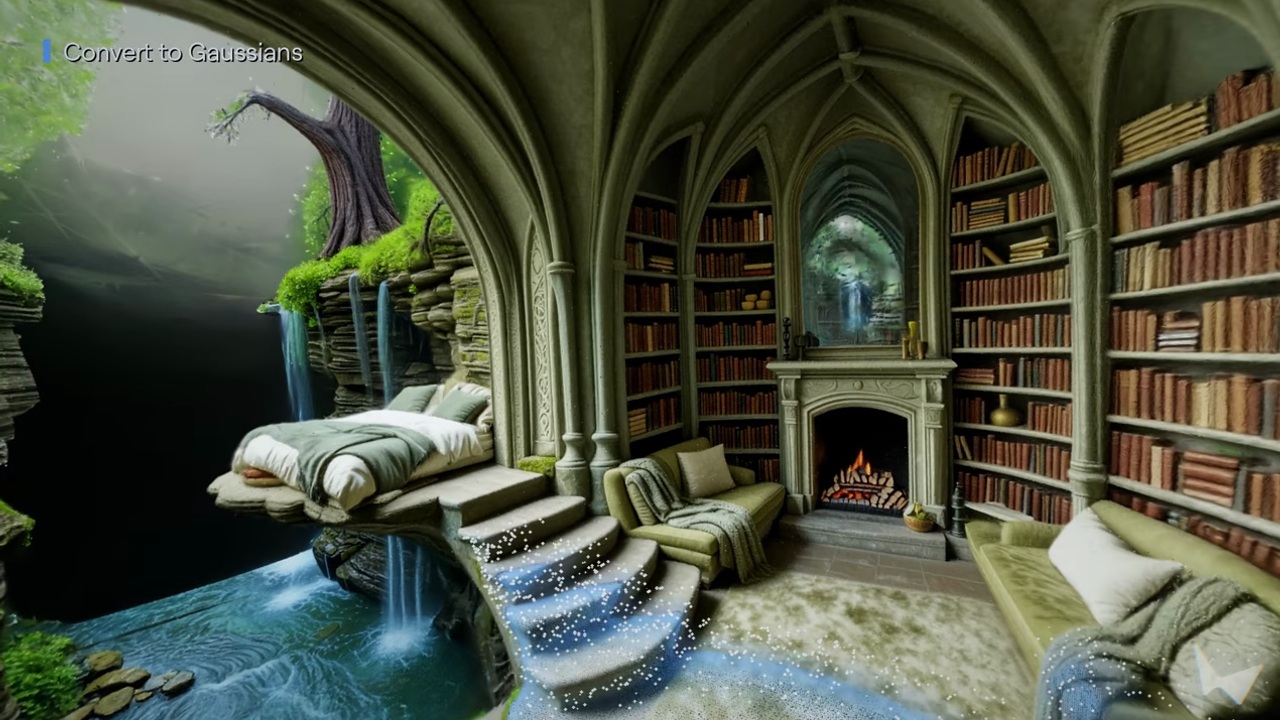
World Labs has opened Atlas Gaussian splat creation in Marble (opens in a new tab), giving creators a way to turn the model’s views into downloadable 3D scenes through Studio or a new beta developer API.
A Gaussian splat is a 3D scene made of tiny, soft-edged patches of color. Together, they can look like a photograph, but you can move through the space and see it from other angles.
Marble already offered splat exports. The new access brings in the reconstruction workflow from Atlas (opens in a new tab), which World Labs introduced in September and began rolling out in beta earlier this month.
From views to a 3D scene
In Marble Studio, Atlas Preview is now called Viewfinder. A new Create splats option turns Atlas views into a downloadable scene, according to Radiance Fields’ October 30 report (opens in a new tab).
The job takes about 20 minutes and costs 5,000 credits. Results can be downloaded as SPZ or PLY, two common splat file formats.
For example, you could use Atlas to generate views around a room, then turn those views into a scene you can explore freely. The exported file can become part of a 3D project instead of staying inside the generator.
Photos work too
The new posedImages2Splats API (opens in a new tab) lets developers build the same kind of conversion into their own tools. It needs images paired with camera positions and depth data, which describe where each view was taken and how far away its contents are.
That does not require a depth camera. World Labs has a separate tool (opens in a new tab) that estimates those details from ordinary photos. Atlas can also include depth with the views it generates.
World Labs recommends starting with 8 to 16 overlapping views for a room. Furniture and textured surfaces help. Windows, faces, thin objects, foliage, and blank walls can lose detail or come out uneven.
The API builds the splat, renders more views, and refines the result. A run usually takes 10 to 20 minutes and returns SPZ files. A separate task can turn the splat into a mesh, the surface-based format used in many 3D tools.
Price and availability
Both the Studio feature and the API task are in beta. A refined API run costs 5,000 credits, or $5. A draft without refinement costs 500 credits, or 50 cents. Failed runs are free. These are splat-conversion prices; generating the input views is separate.
The current beta credit rate (opens in a new tab) is 1,000 credits per US dollar and may change during beta.
A new way to show splats on the web
World Labs also released Spark Radix (opens in a new tab), an experimental open-source renderer for displaying splats in a web browser. It uses WebGPU to sort and draw splats from several objects together, so developers can combine them in one scene.
Radix is free under the MIT license. It is a separate tool for displaying the finished work, while Marble and the new API handle making it.
More from Capture & Create.
Browse all stories
AI World Models · 2 min read
Google Unveils Genie 4, Its Most Realistic AI World Model Yet
Genie 4 combines Gemini’s reasoning with more realistic physics, natural movement, and generated sound and dialogue. Trusted testers are getting access first.
AI 3D Capture · 2 min read
SpAItial’s Echo-3 Turns iPhone Scans Into 3D Worlds You Can Restyle
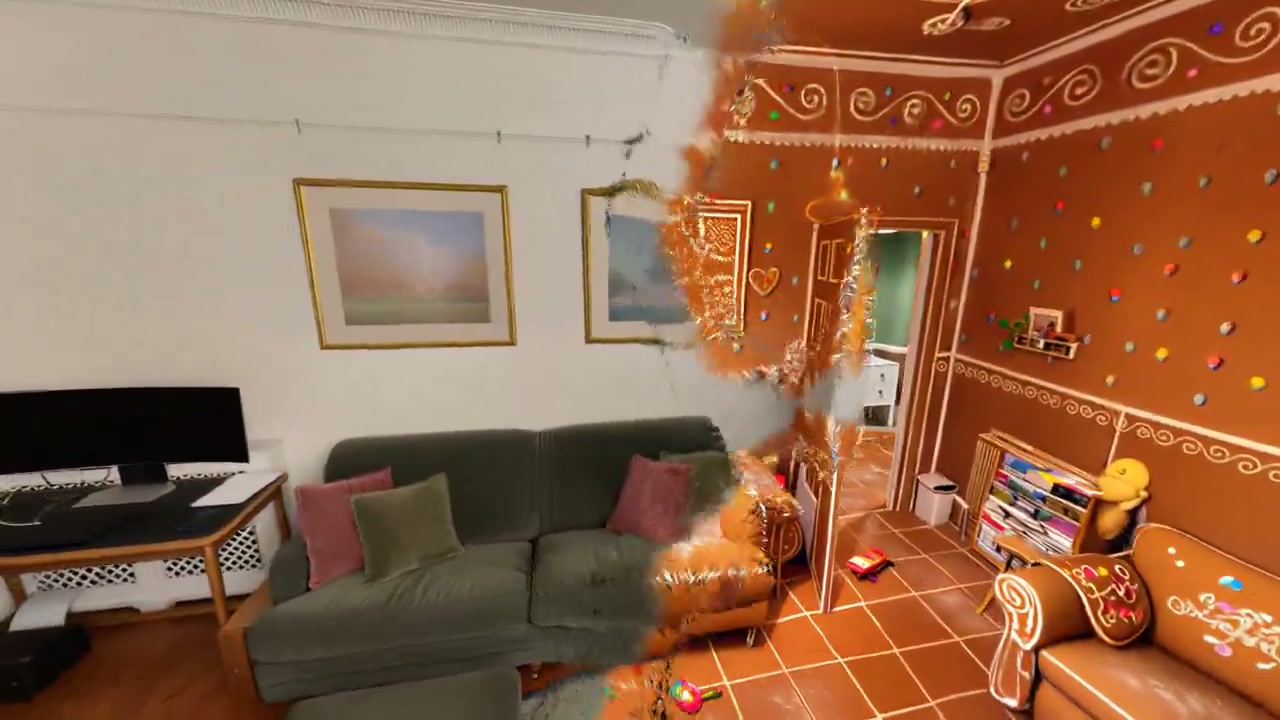
The new capture app rebuilds spaces at real-world scale and fills in missed areas. A launch demo turns a family home into a storybook.
3D scanning · 1 min read
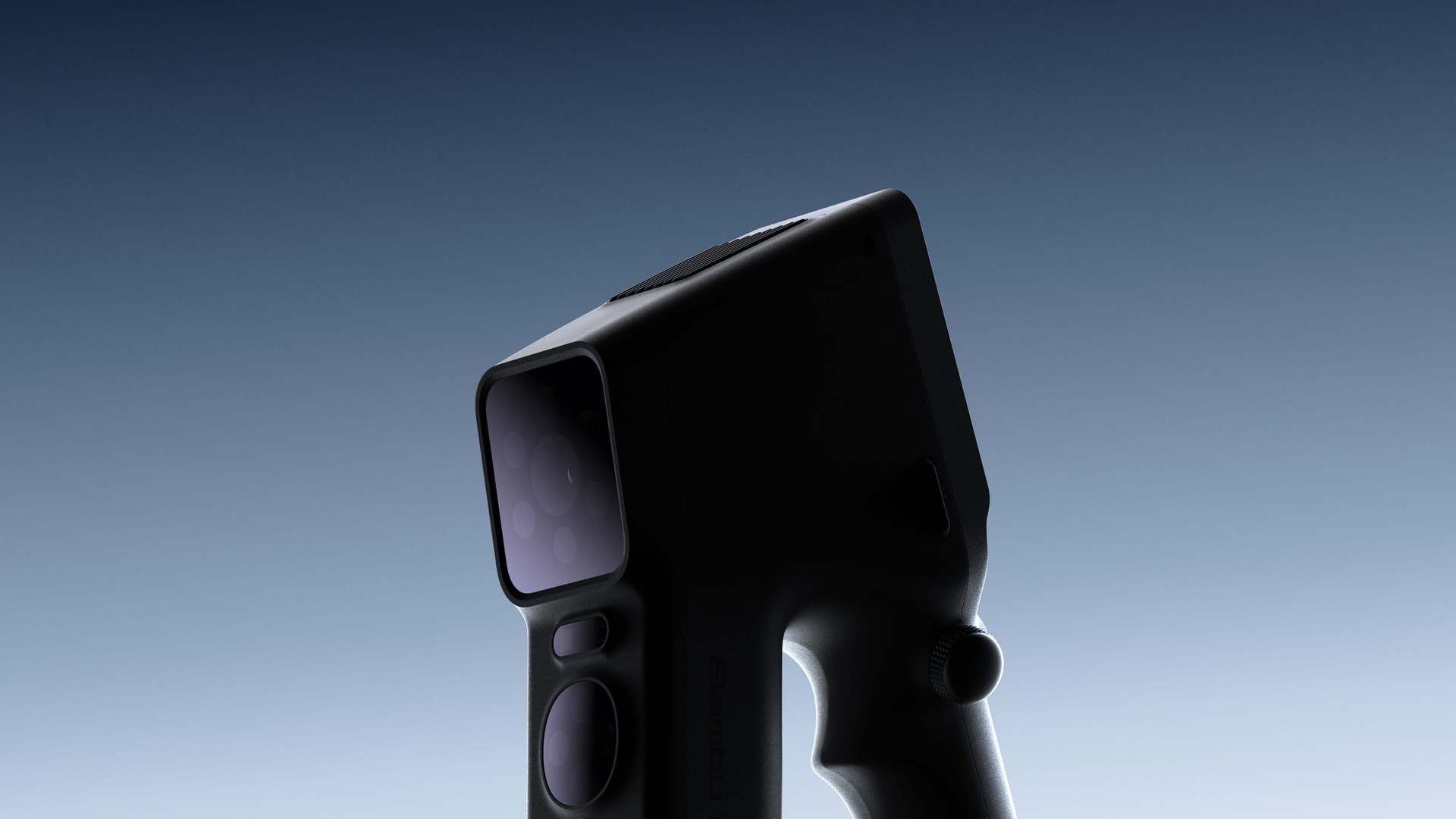
Bambu Lab Announces the S1, Its First 3D Scanner
The handheld scanner is due in November, giving makers a new way to bring physical objects into their designs.