
XPeng Lines Up $900 Million to Put IRON Humanoids to Work
The human-shaped robot is headed for XPeng stores and campuses before a wider 2027 launch in retail and service jobs.
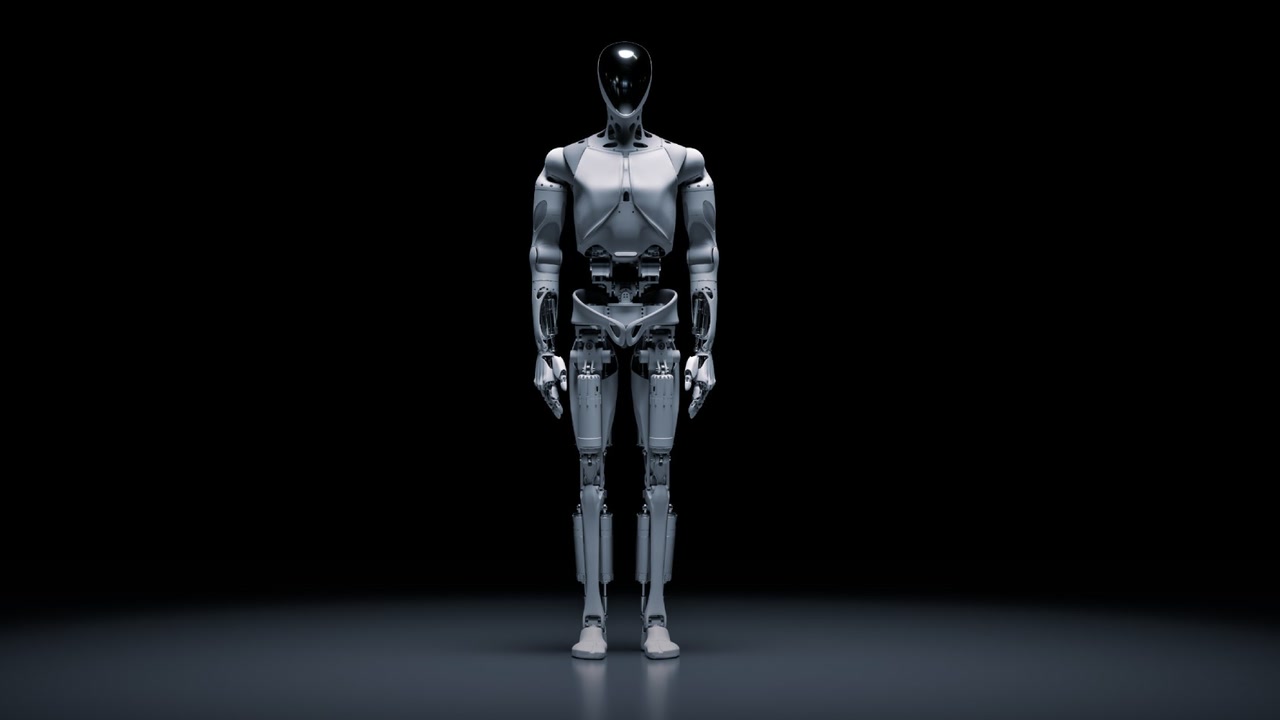
XPeng has lined up $900 million to move IRON from robot demonstrations into factories and everyday workplaces.
The company plans to mass-produce IRON by the end of 2026. The first robots will work in XPeng stores and campuses before a wider 2027 launch for retail and service jobs in China and other markets.
IRON has 76 degrees of freedom across its body and 21 in each hand. Its human-like shape is meant to help it move through spaces and use objects designed for people, while a flexible outer lattice covers its machinery for safer contact.
IRON runs its AI locally on three XPeng Turing chips. XPeng says its Physical AI model lets the robot understand its surroundings, choose an action, and complete complex tasks without a remote operator. Those abilities have not been independently tested.
The funding will pay for hardware, software, model training, production facilities, and global expansion. IDG Capital, Alibaba, Tencent, and Gaorong Ventures are supplying $600 million. XPeng and companies controlled by its executives are providing the other $300 million. The package remains conditional.

The real test begins when IRON leaves the stage. Its first store and campus jobs will show whether XPeng can turn human-like movement into reliable work around people.
More from Robotics.
Browse all stories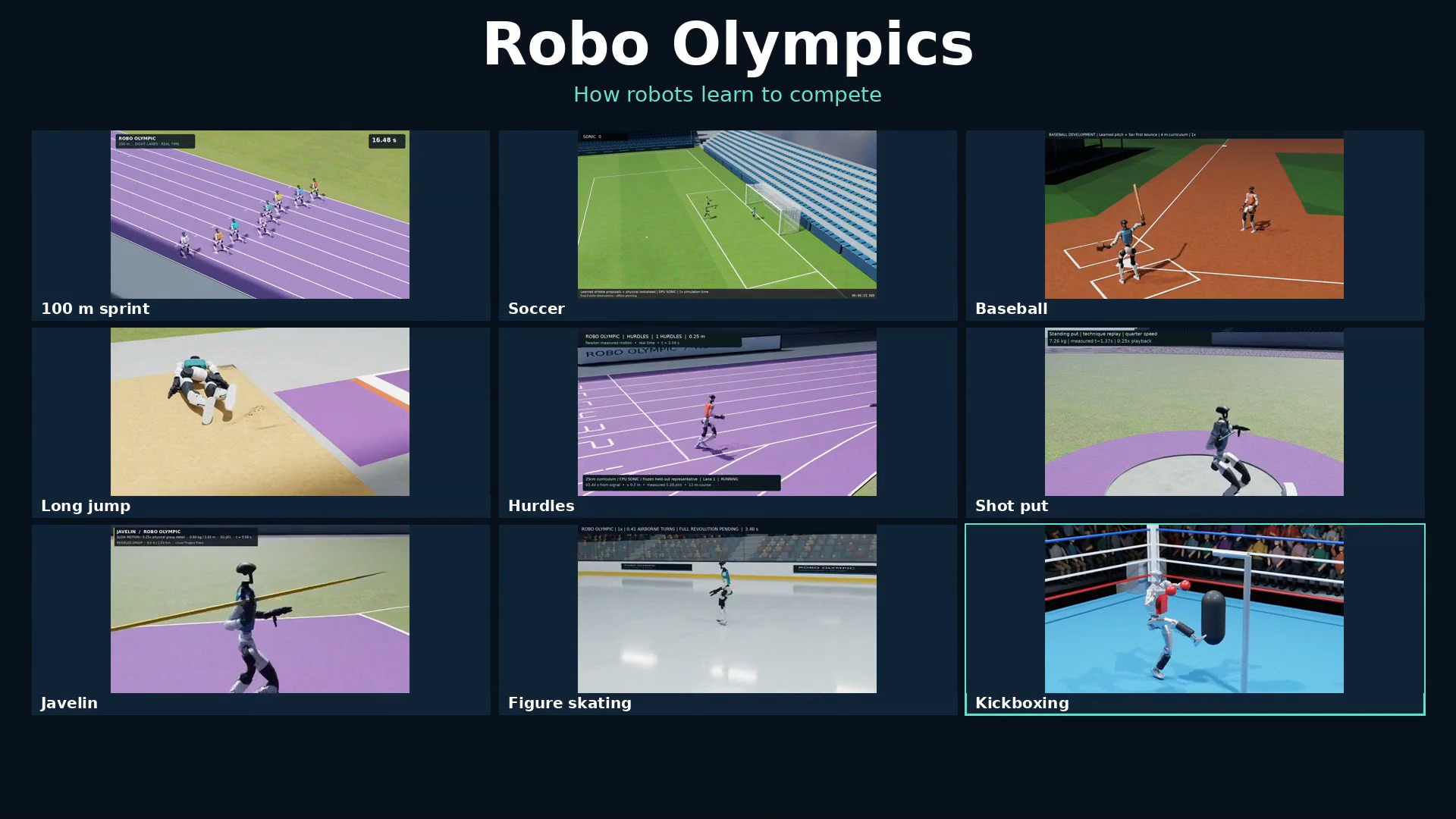
Robot simulation · 1 min read
NVIDIA’s Robo Olympics sends simulated robots sprinting, skating, and kickboxing
Sports videos and written prompts guided OpenAI’s Astra in building the events, with NVIDIA’s simulation tools turning motion references into tested robot movements.
3D mapping · 2 min read
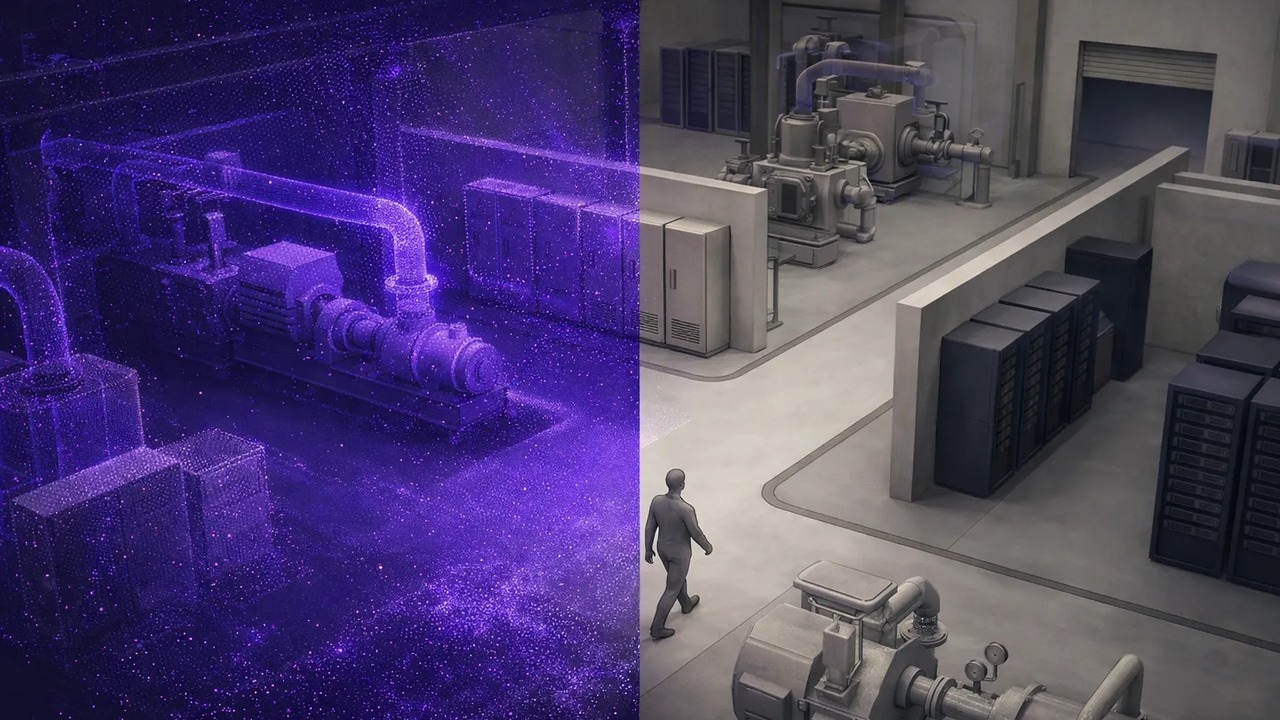
MultiSet Adds 3D Scan Exports for NVIDIA’s Robot Simulator
The latest update also lets devices find nearby maps automatically, combines separate survey scans, and makes mapped spaces shareable in a browser.
Spatial AI · 2 min read
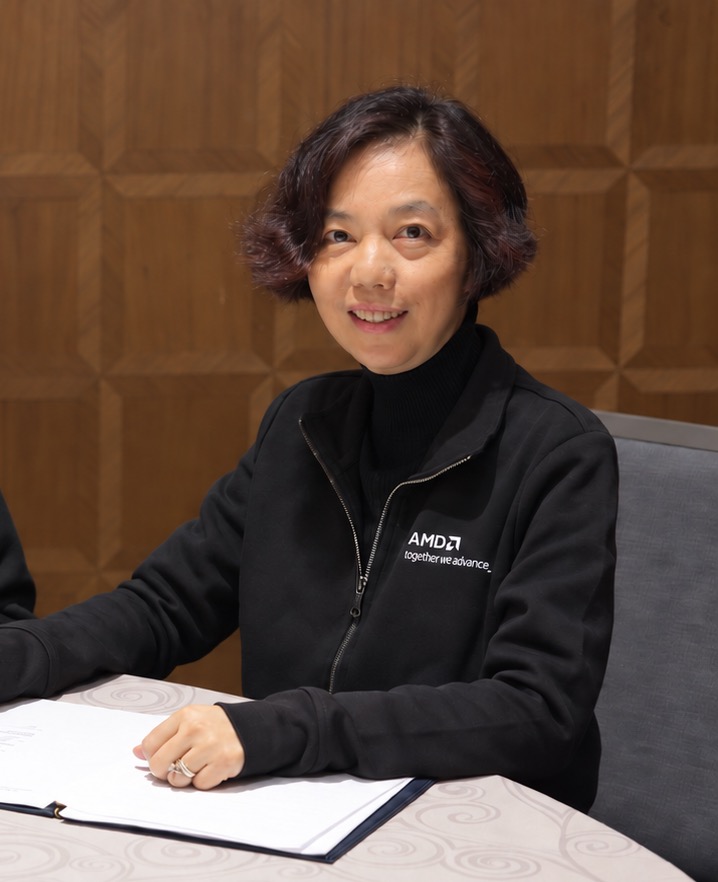
AMD to Buy World Labs for $8.2 Billion
Fei-Fei Li will become AMD’s chief scientist, bringing the team behind Marble and Atlas closer to the chips that power its research.