
Apple Brings M6 to Mac mini and M5 Ultra to Mac Studio
Apple’s compact desktops add faster chips, more memory, and new ways to connect several Macs for demanding local AI work.
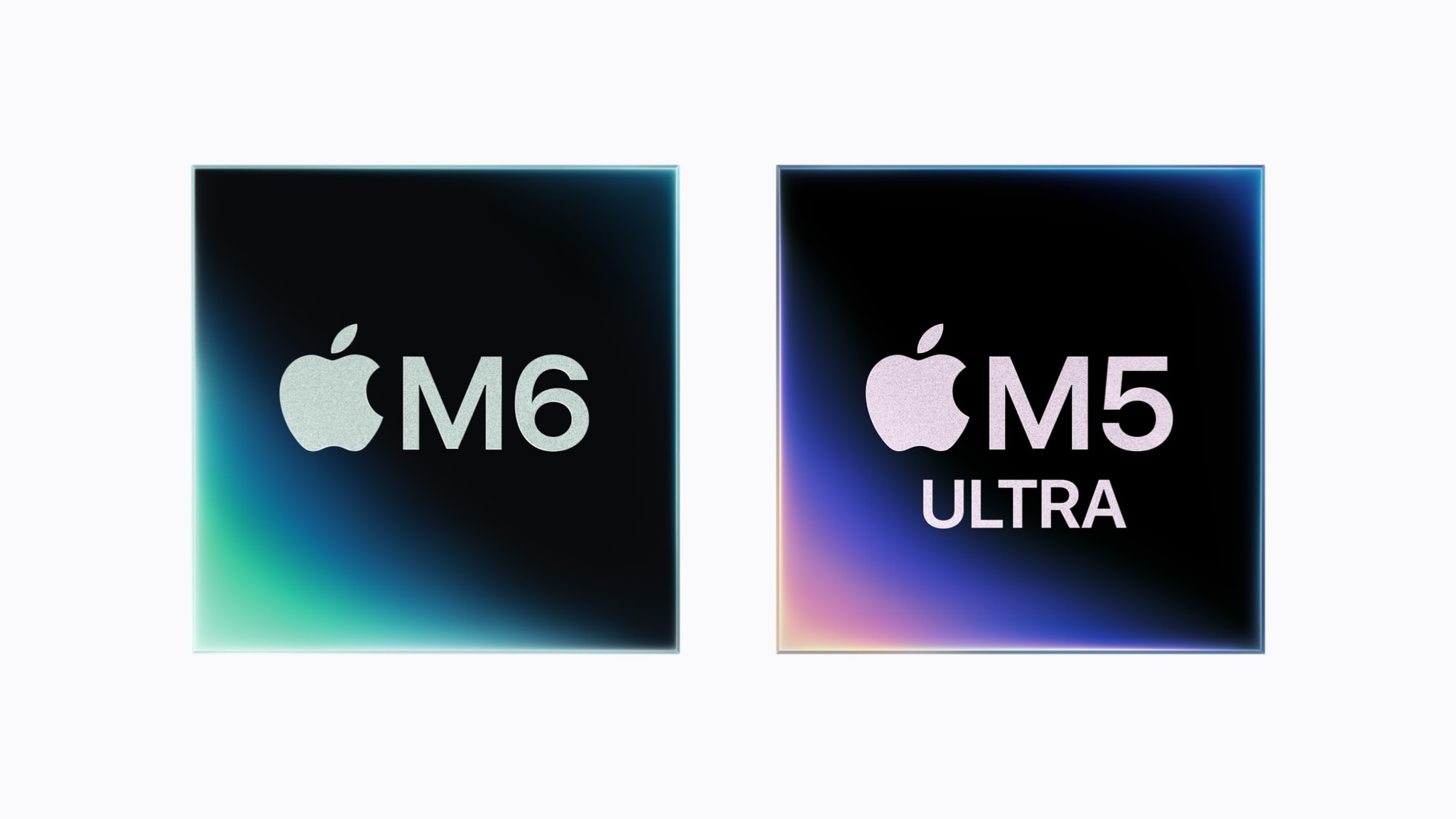
Apple has updated both of its compact desktop Macs. The new Mac mini comes with M6 or M5 Pro, while Mac Studio moves to M5 Max or M5 Ultra.
The new chips bring faster performance, but memory may be the bigger story. Mac Studio can now be configured with up to 512GB of unified memory, giving its CPU and GPU one large pool to share. That can help it keep much larger AI models on the Mac instead of sending the work to the cloud.
Mac mini
The M6 Mac mini is the more approachable model. Its 12-core CPU, 12-core GPU, and two 16-core Neural Engines are paired with up to 32GB of unified memory. Apple says it delivers up to four times the AI performance and 40 percent faster CPU performance than the previous generation.
M6 is also Apple’s first chip made with a 2-nanometer process. Each GPU core has its own Neural Accelerator, which helps with AI work alongside the dedicated Neural Engines.
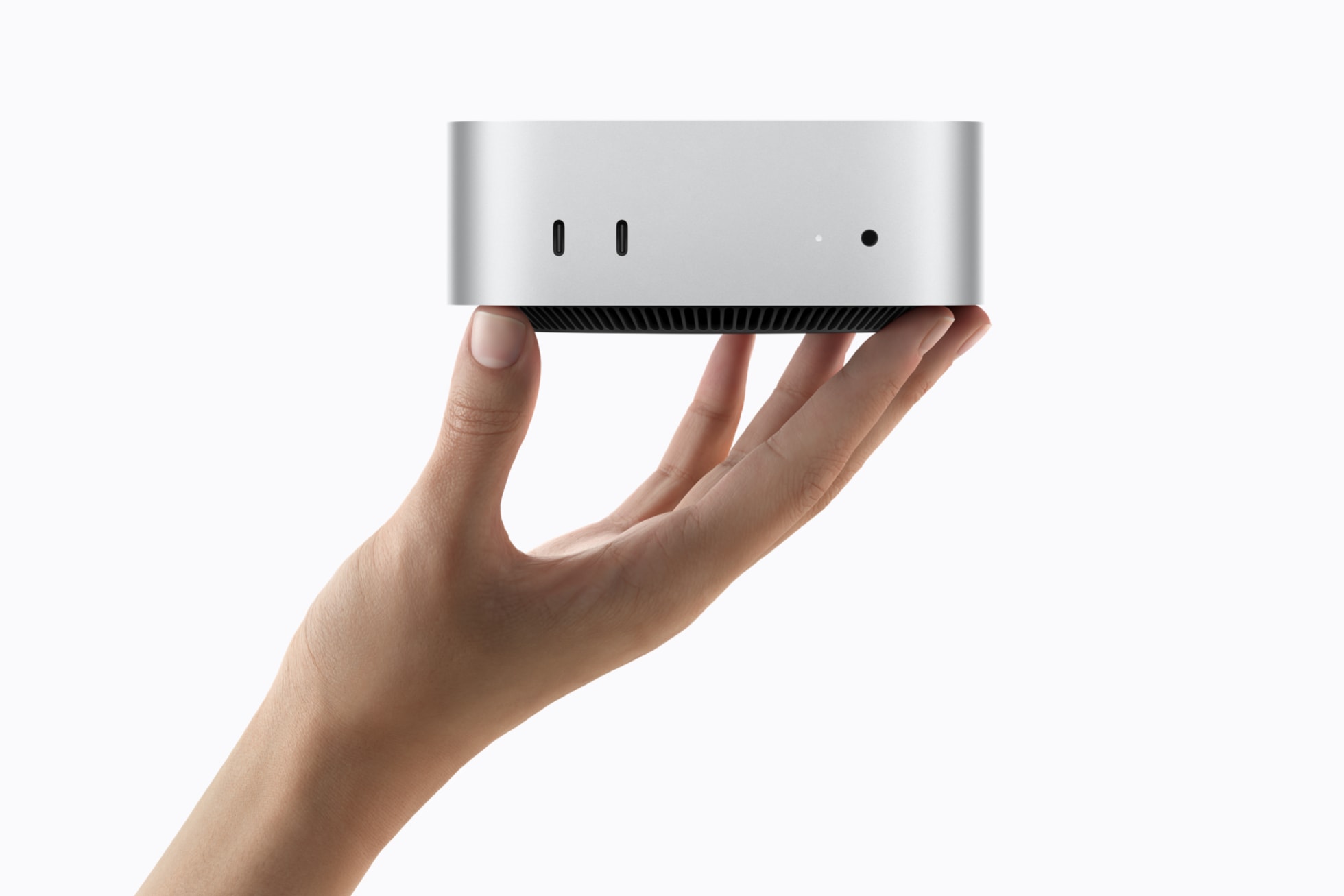
The M5 Pro version is built for heavier work. It can be configured with an 18-core CPU, 20-core GPU, and 64GB of unified memory. It also includes three Thunderbolt 5 ports, while the M6 model has three Thunderbolt 4 ports.
Both models add Wi-Fi 7, Bluetooth 6, and 2.5-gigabit Ethernet. A new genlock option can keep several video sources in sync, including a compatible camera or iPhone 17 Pro.
Mac Studio
Mac Studio now starts with M5 Max, which can be configured with an 18-core CPU, 40-core GPU, and 128GB of unified memory. Apple says AI performance is up to 4.3 times faster than the previous model.
M5 Ultra combines two dual-die M5 Max chips into Apple’s first four-die processor. It can be configured with a 36-core CPU, 80-core GPU, and 512GB of unified memory. Apple says that is enough memory to run some AI models with hundreds of billions of parameters entirely on the Mac.
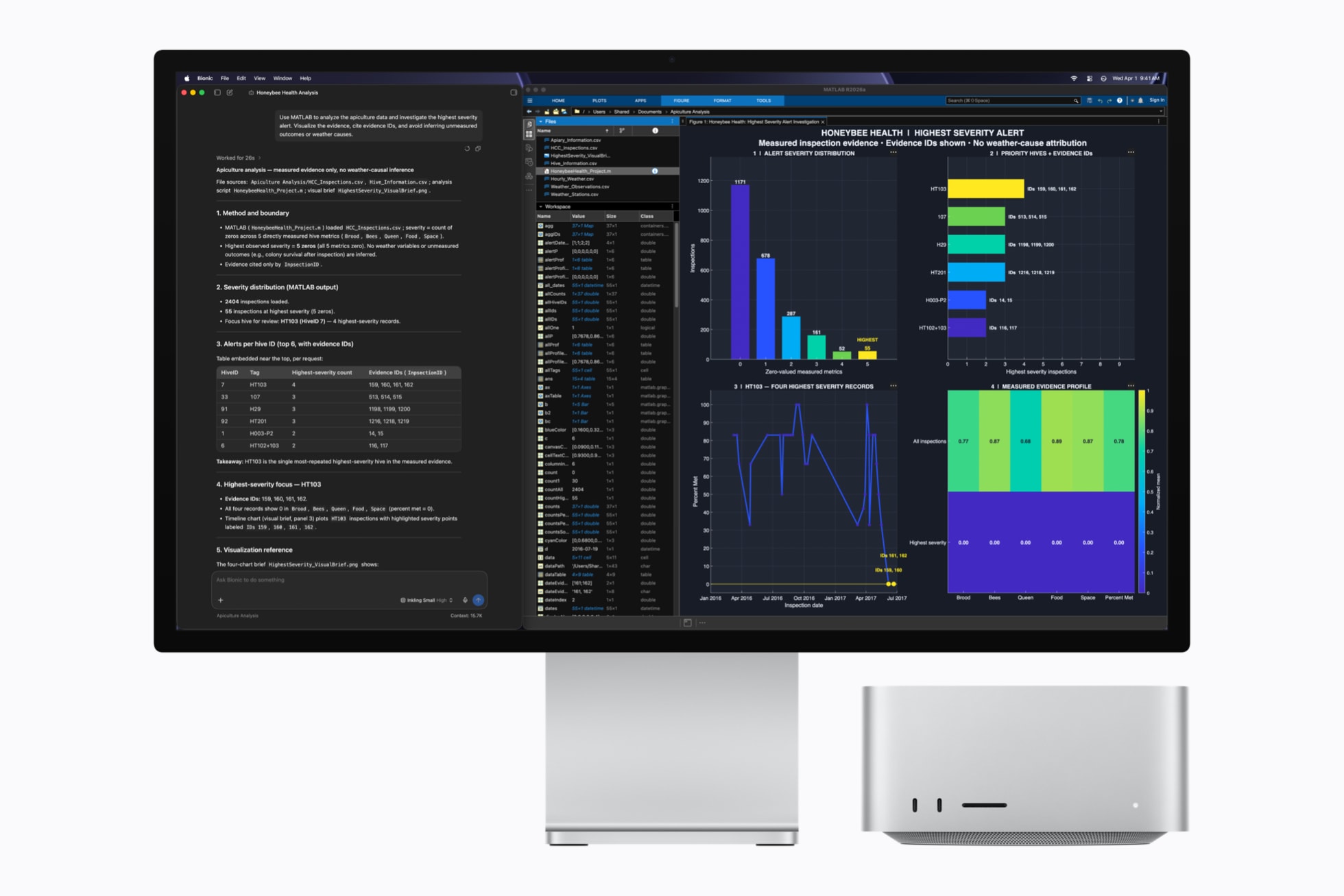
For video work, Apple says M5 Ultra can play as many as 33 streams of 8K ProRes 422 video at once. Mac Studio also gains Wi-Fi 7 and Bluetooth 6, plus support for up to eight displays.
Several Macs can work together
Thunderbolt 5 adds another option for demanding AI work. Several M5 Pro Mac mini or Mac Studio systems can connect and share their memory, creating more room for a large model than one Mac can provide alone.
Apple says four connected Mac Studio systems can run AI inference up to three times faster than one. This setup is aimed at researchers, developers, and studios that want to keep large models and private data on their own hardware.
Launch Details
The M6 Mac mini starts at $899, and the M5 Pro model starts at $1,699. Mac Studio starts at $2,499 with M5 Max or $5,499 with M5 Ultra.
Orders are open now, and all four models arrive September 22. Mac Studio configurations with 512GB of memory will follow in late October.
More from Capture & Create.
Browse all stories
Blockworks · 2 min read
Blockworks Turns Your Words Into Builds with AI on Apple Vision Pro
A new AI demo makes a boat, a bicycle picture, and a statue from virtual blocks you can pick up and take apart.
Tripo AI · 4 min read
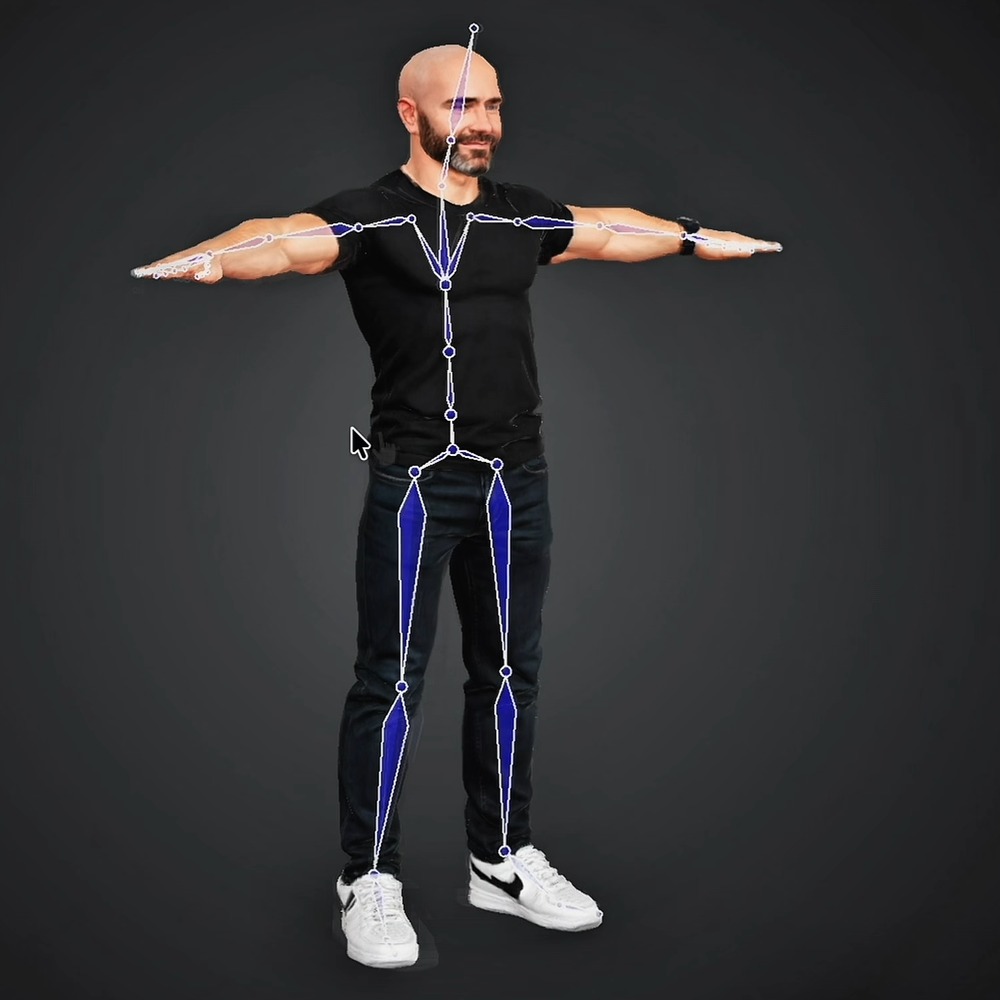
Tripo Adds 3D Animation From Text Prompts
Creators can generate short actions from prompts and combine up to five motion segments, with skeleton options for Unreal Engine, Unity, and avatar workflows.

3D mapping · 2 min read
MultiSet Adds 3D Scan Exports for NVIDIA’s Robot Simulator
The latest update also lets devices find nearby maps automatically, combines separate survey scans, and makes mapped spaces shareable in a browser.