
Bambu Lab’s New $2,499 Nine-Tool 3D Printer Can Switch Materials in 6 Seconds
The H3C keeps nine filaments loaded, mixes nozzle sizes in one print, and supports optional tools for cutting, drawing, and pressing patterns into a surface.
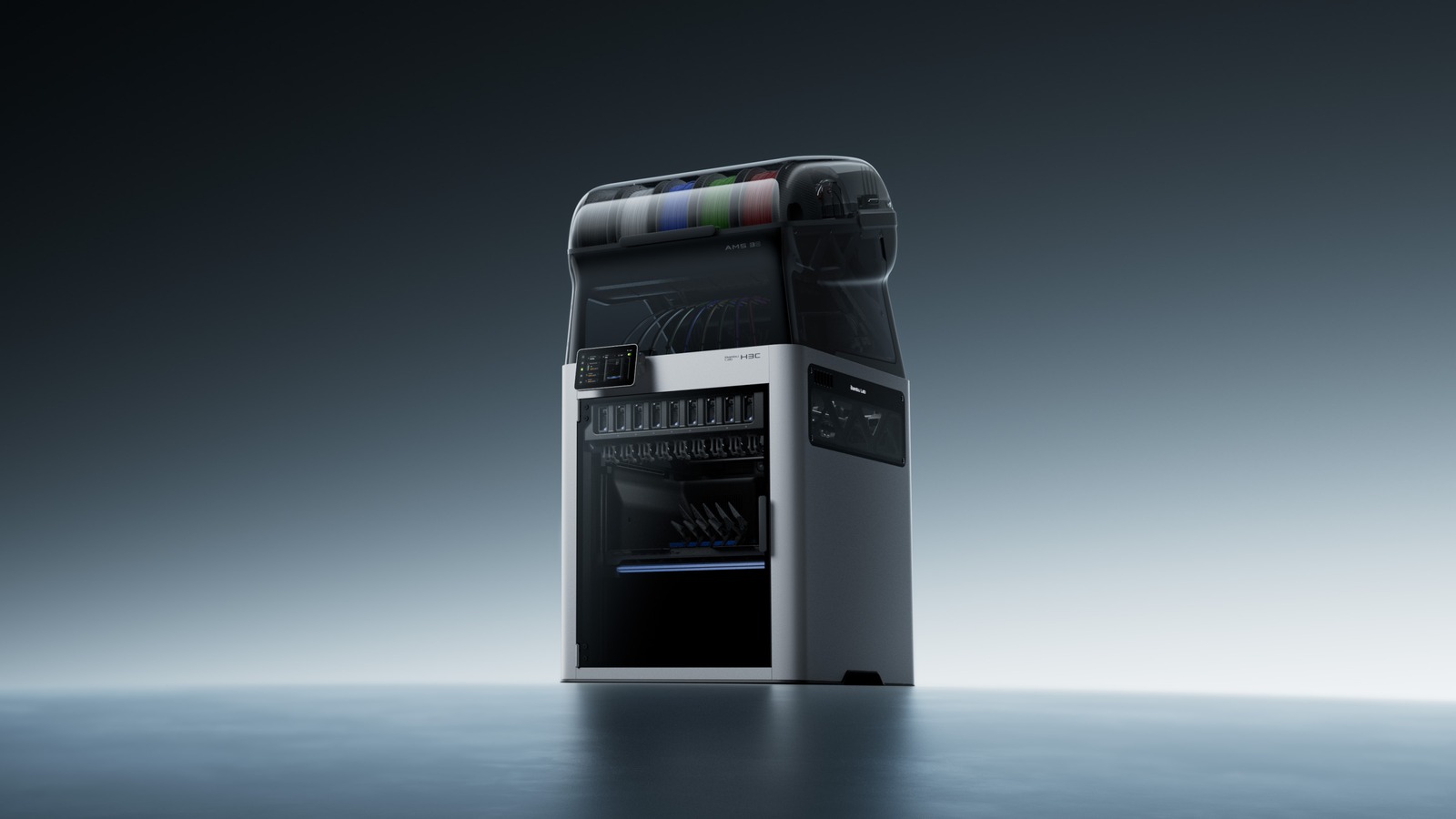
Bambu Lab launched its $2,499 H3C 3D printer (opens in a new tab) on November 3, with nine printing tools and material swaps it says can take as little as six seconds.
On a printer that feeds several colors through one nozzle, each change means pulling one filament out, loading another, and flushing out the old plastic. The H3C keeps materials in separate tools, so it can skip much of that waiting and waste.
How the six-second switch works
Bambu calls the system Swaptek. Each of its nine PrintTools has its own filament path and heater. Active Pre-Heat reads ahead in the print instructions and warms the next nozzle while the current one is still working.
Bambu lists a 3.4-second physical tool change and as little as six seconds from printing one material to printing the next. It also quotes about 0.038 grams of purge, the plastic used to prime the nozzle, per switch.
The six-second result comes from Bambu’s tests using PLA Basic and filament-saving purge mode. Actual timing and waste depend on the material and print settings.
The retractable tool rack (opens in a new tab) also moves out of the way while printing, so you can see the first layer go down.
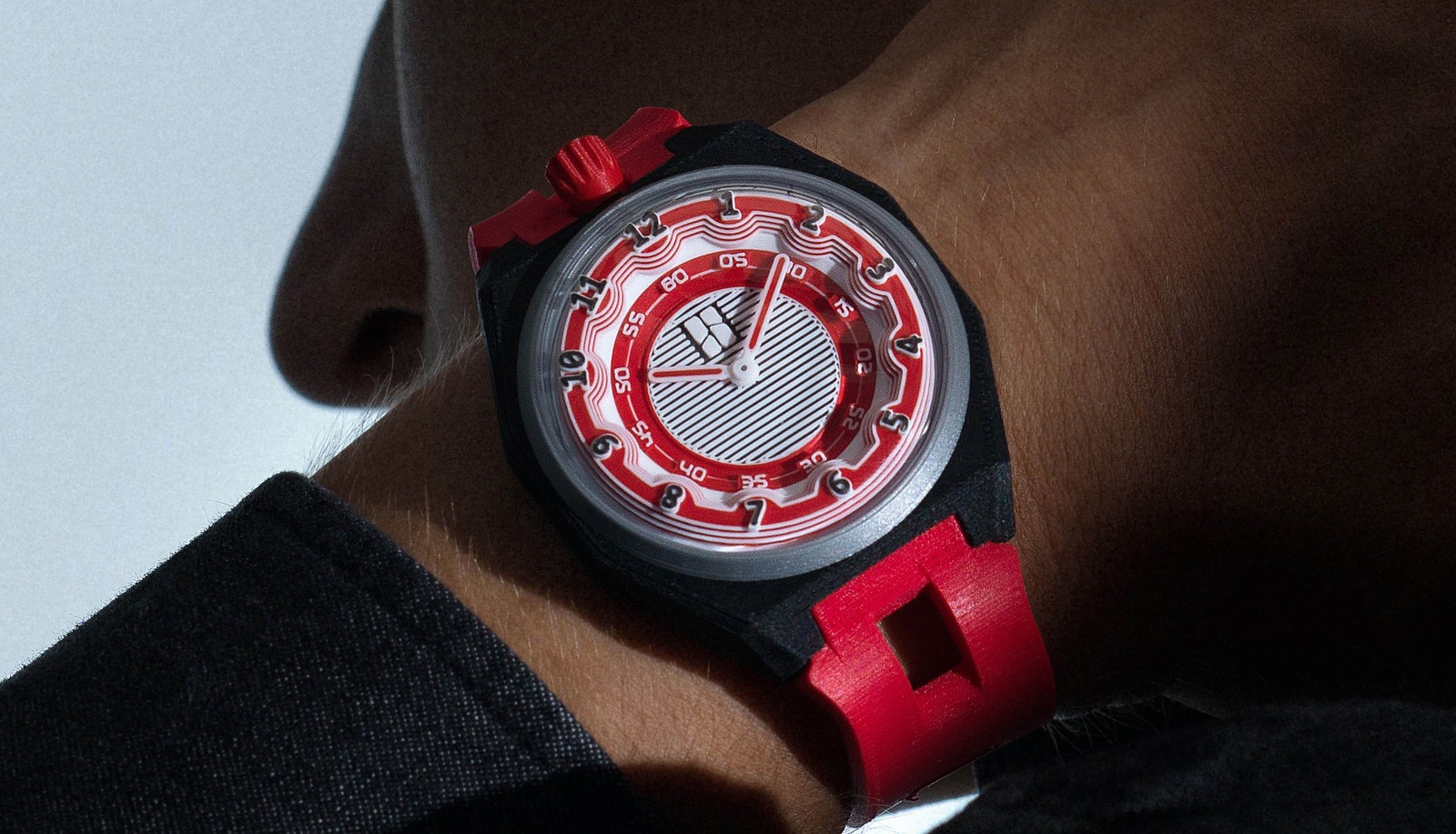
A watch case and strap in one print
The tools can use different nozzle sizes in the same job. Bambu’s watch example uses a 0.2 mm nozzle for the small details on the dial, a 0.4 mm nozzle for the case, and a dedicated TPU nozzle for the flexible strap. The dial, case, and strap print together; the watch movement is added afterward.
TPU is a rubbery plastic. The FlexFeed extruder handles standard 1.75 mm and thicker 2.85 mm filament, including soft TPU 75A for parts that bend or cushion.
Bambu’s CMYKW color system layers cyan, magenta, yellow, black, and white to create more shades from five spools of its PLA Palette filament.
Cutting, drawing, and debossing
Optional CutTool, DrawTool, and DebossTool attachments use the same automatic swapping system. Debossing presses a pattern into a surface. The tools can stay docked, ready for the next project.
Bambu’s detailed documentation (opens in a new tab) explains that cutting, drawing, and debossing can share a job. 3D printing uses separate software, so moving from a print to cutting means changing plates and starting another job.
Nine spools, with drying built in
The included AMS 3H stores nine spools in a sealed enclosure and feeds them automatically. RFID tags identify Bambu filaments. Two slots can dry compatible filament at up to 85°C while the printer works.
Connecting older Bambu AMS units through the first PrintTool expands support to as many as 24 filament spools. Those additional materials share that tool, rather than each getting a separate nozzle.
The main specs
- Build space of 330 × 320 × 325 mm, roughly 13 inches in each direction.
- Nozzles up to 350°C, a bed up to 120°C, and an actively heated chamber up to 65°C.
- Hardened-steel nozzles in 0.2, 0.4, 0.6, and 0.8 mm sizes. Extra sizes are sold separately.
- Travel speed up to 1,400 mm/s. Bambu says the toolhead is 40% lighter than the H2D’s.
The optional BirdsEye top camera costs extra. AI monitoring already works without it; the camera’s expanded AI coverage is planned for the first half of 2027.
Owners of the H2D, H2C, and X2D also have mixed-nozzle printing updates (opens in a new tab) on the way. Bambu plans to roll out those features between late 2026 and the first quarter of 2027.
Price and availability
The H3C combo with AMS 3H (opens in a new tab) is available to order now for $2,499 in the US before tax, €2,499 in the EU, and £2,199 in the UK. Bambu also sells bundles with filament and a printer stand.
US shipping is free in the 48 contiguous states. At launch, the US store lists dispatch within one to three business days after an order is processed.
More from Capture & Create.
Browse all stories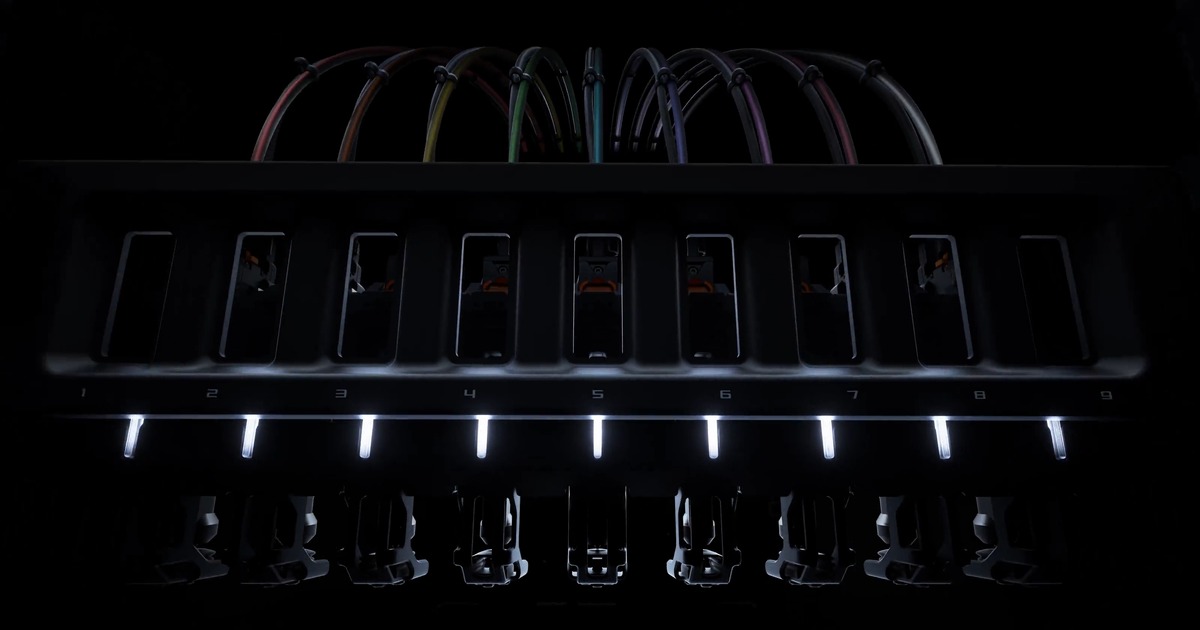
3D Printing · 2 min read
Bambu Lab’s Nine-Tool H3C 3D Printer Gets Its Full Reveal November 3
Bambu’s previews show a lifting tool rack, mixed nozzle sizes, soft TPU, and a sealed AMS 3H system with nine filament slots.
3D Capture · 3 min read
Sony Opens XYN 3D Capture to Individual Creators, With a Free Plan
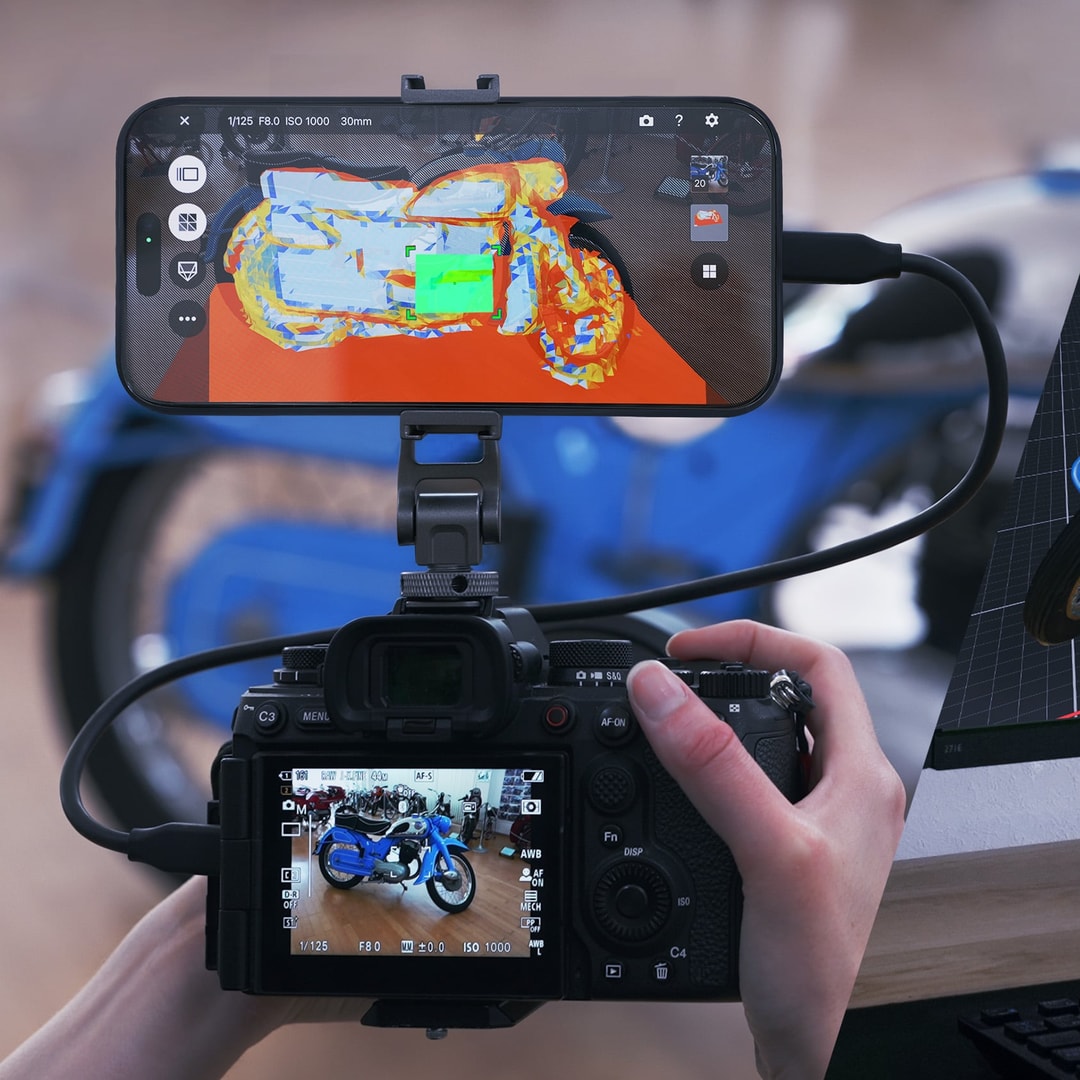
An iPhone guides your Sony camera as you capture objects and places. Cloud builds use paid tokens, including on the free plan.

Gaussian splats · 3 min read
World Labs Opens Atlas Gaussian Splat Creation in Marble
Creators can turn Atlas views into downloadable 3D scenes, with a new beta API for building splats from generated views or photographs.