Apple Vision Pro Helps Astronauts Revisit Their Underwater Training
Apple is filming spacewalk practice in immersive video, giving astronauts and their support teams a way to review each session in 3D.
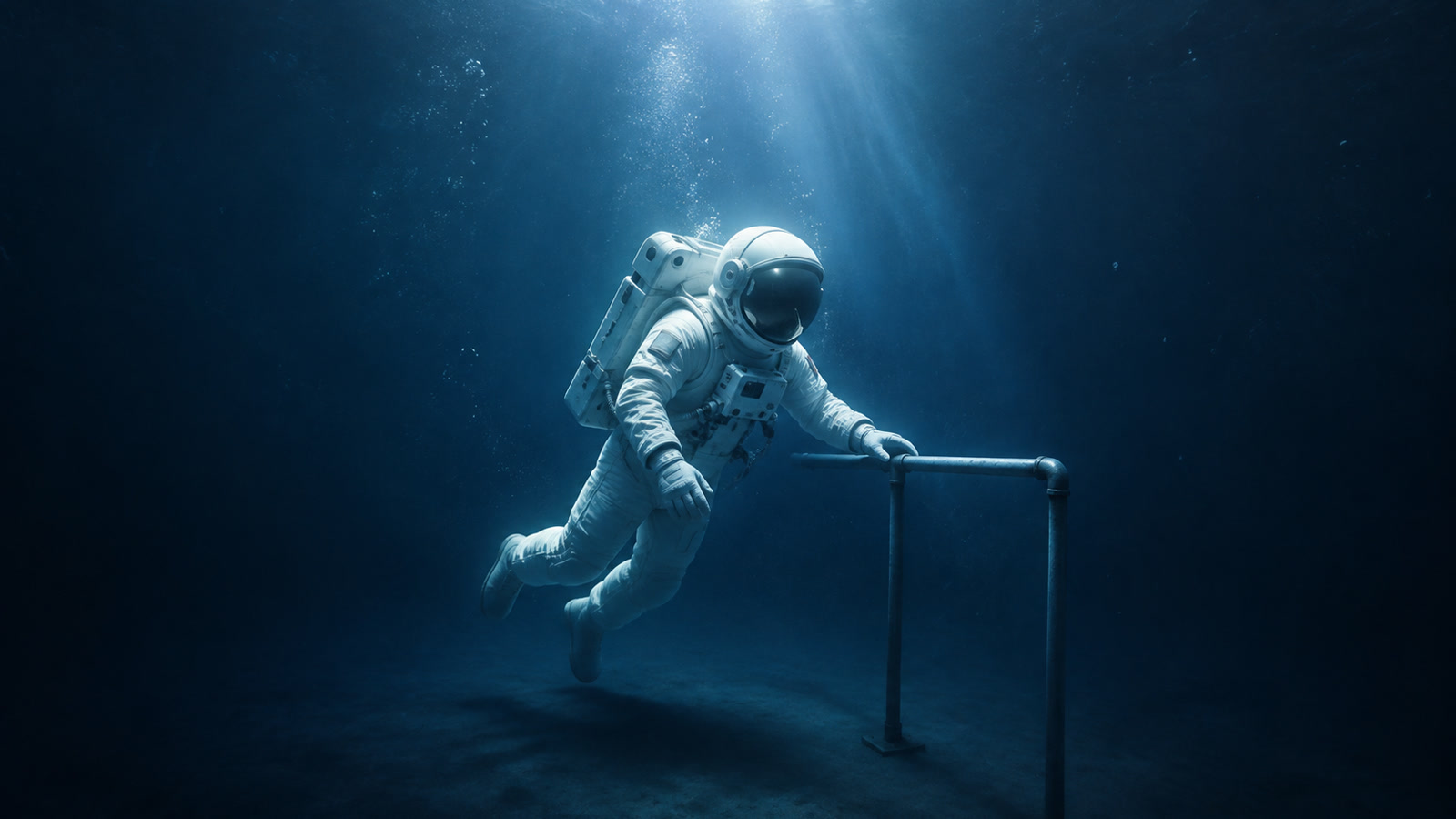
Apple is showing how astronauts and their support teams can use Vision Pro to revisit underwater training and spot ways to improve their procedures.
In a new Apple video (opens in a new tab), camera operator Austin Novy follows astronauts as they practice in NASA’s Neutral Buoyancy Laboratory in Houston. Divers capture the sessions in Apple Immersive Video. Back on dry land, team members put on Vision Pro to view the footage.
The idea is to give people reviewing the session a sense of being beside the astronaut. Apple says that perspective helps the team refine procedures and specialized techniques before a mission.
Why astronauts train underwater
NASA’s Neutral Buoyancy Laboratory (opens in a new tab) holds 6.2 million gallons of water in a pool 40 feet deep. It gives astronauts a place to rehearse spacewalks while divers help manage their buoyancy, allowing them to practice floating and working around large structures.
The pool contains a mockup of the outside of the International Space Station. It also has a simulated lunar surface (opens in a new tab) for Moonwalk training. Crews can work through tasks with physical equipment before doing them in space.
Vision Pro adds a way to review that practice afterward. The setup Apple shows uses cameras underwater and headsets in a room above the surface.
Bringing the session into Vision Pro
The clip describes a 180-degree 3D recording. That gives viewers depth and a wide view of the scene from the camera’s position. It remains a recording of the session, so viewers cannot freely move around it as they would in an interactive simulation.
Capturing that view underwater takes specialized equipment. Gates Underwater Products (opens in a new tab) says it developed its housing for the Blackmagic URSA Cine Immersive camera in collaboration with Apple and Blackmagic Design. The system records separate views for each eye using dual 8K sensors at 90 frames per second.
Gates also calibrates the camera, housing, and glass dome together to keep the underwater image comfortable to view in Vision Pro. Apple’s immersive format (opens in a new tab) uses camera and lens data to preserve the scene’s scale and depth during playback.
That’s a pretty cool use of Vision Pro. The same kind of immersive video that puts us beside an athlete or inside a concert can help a spaceflight team revisit training together, bringing the view from the pool into the room where they prepare for space.
More from Apple Vision Pro.
Browse all stories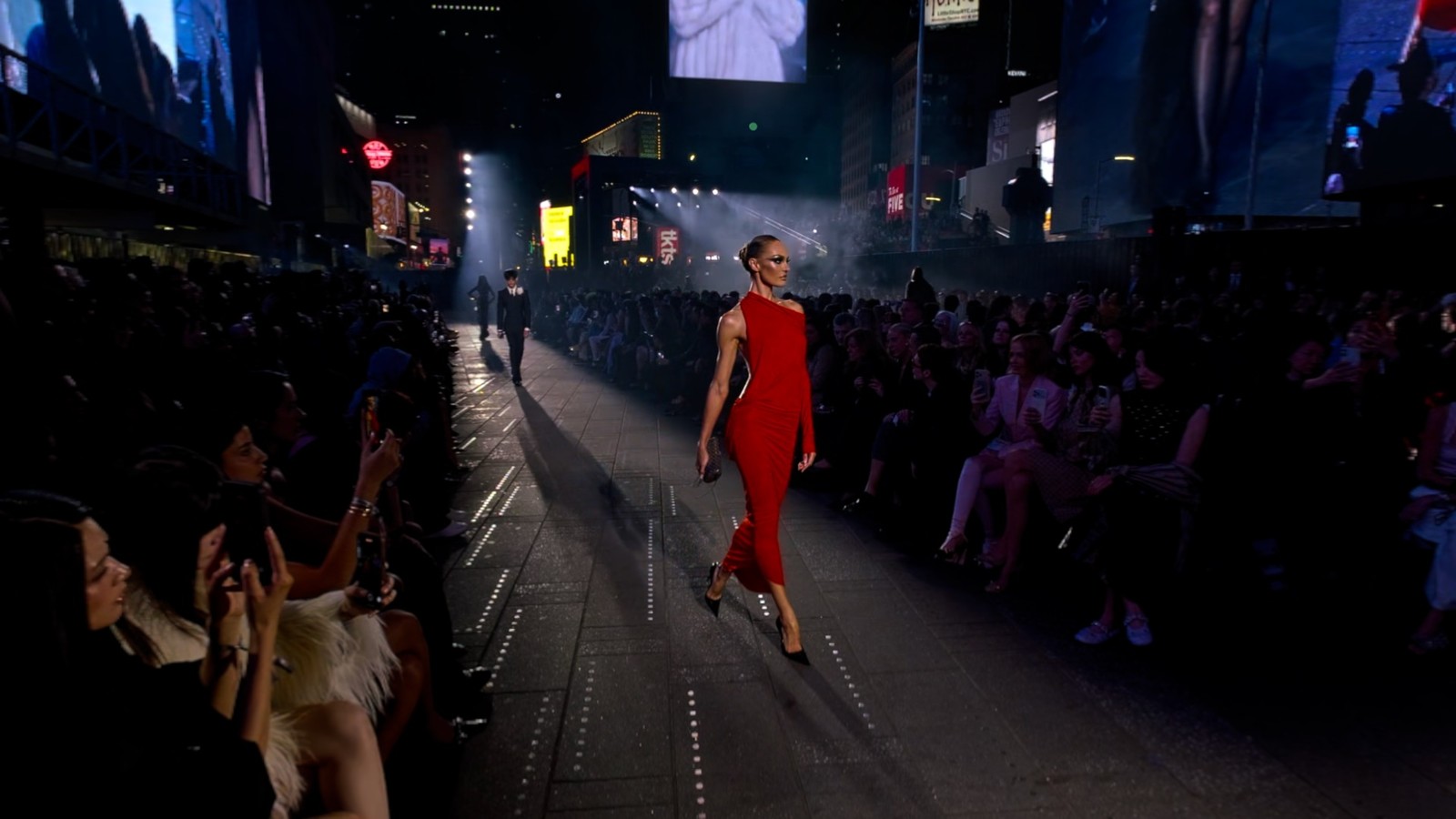
Apple Immersive Video · 1 min read
Gucci Brings Its Times Square Runway Show to Apple Vision Pro
GucciCore is now available in Apple Immersive Video, filmed with Blackmagic’s URSA Cine Immersive cameras for a 180-degree view of the runway.
Apple Immersive · 2 min read
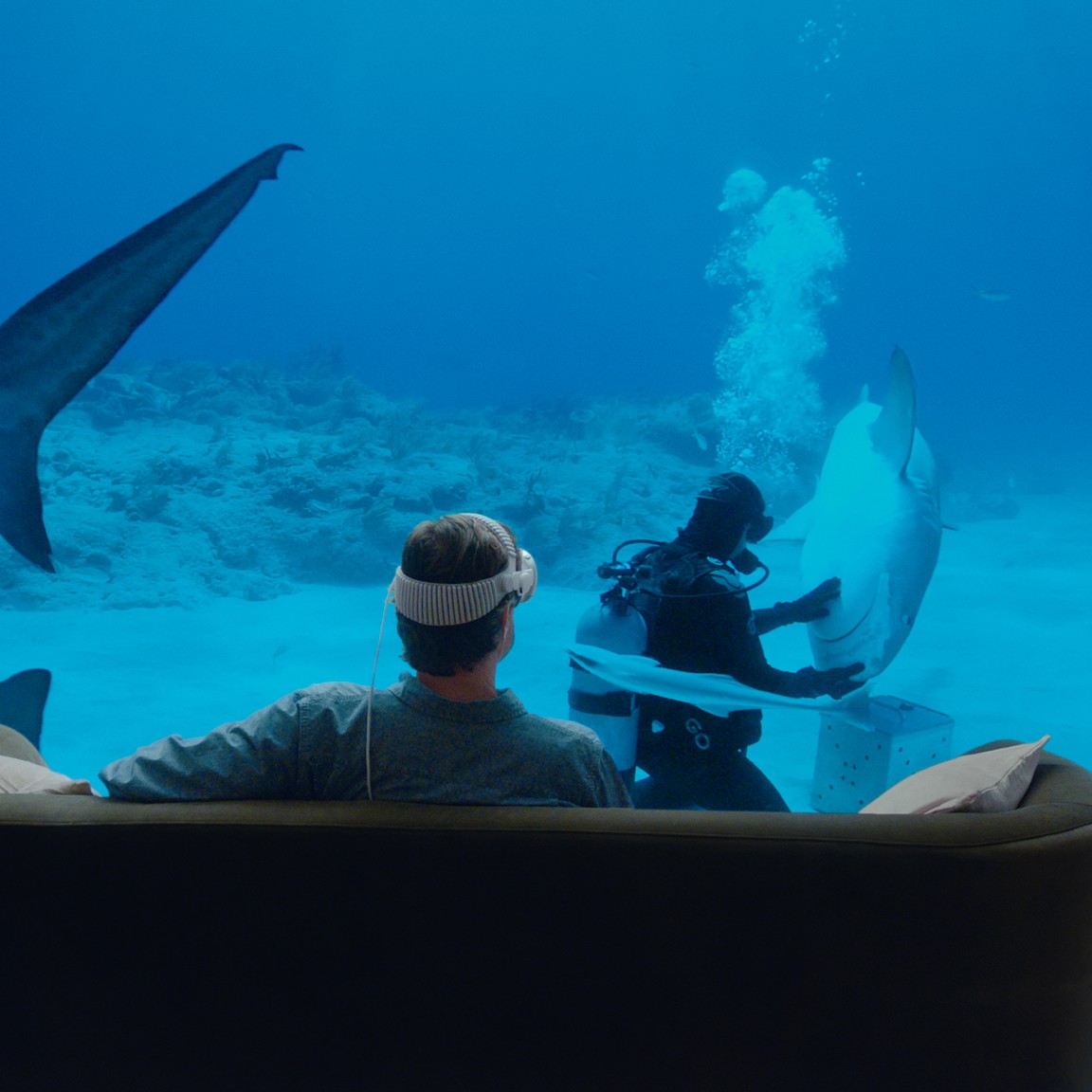
Apple Plans Immersive Video Creator Event in Cupertino on November 11
Creators can preview live production in Apple Immersive, explore new workflows with Apple experts, and join in person or online.
360 Drones · 2 min read
Antigravity’s New Bundle Lets You Control Your 360 Drone With a Watch and Ring
The Follow Me Bundle lets the A1 follow you, show a live view on your wrist, and record in 8K in every direction for editing later.