Google’s Gemini Robotics 2 Now Moves a Humanoid From Feet to Fingertips
DeepMind says the same model can adapt to a new robot body in a few hours, even when its shape and sensors are different.
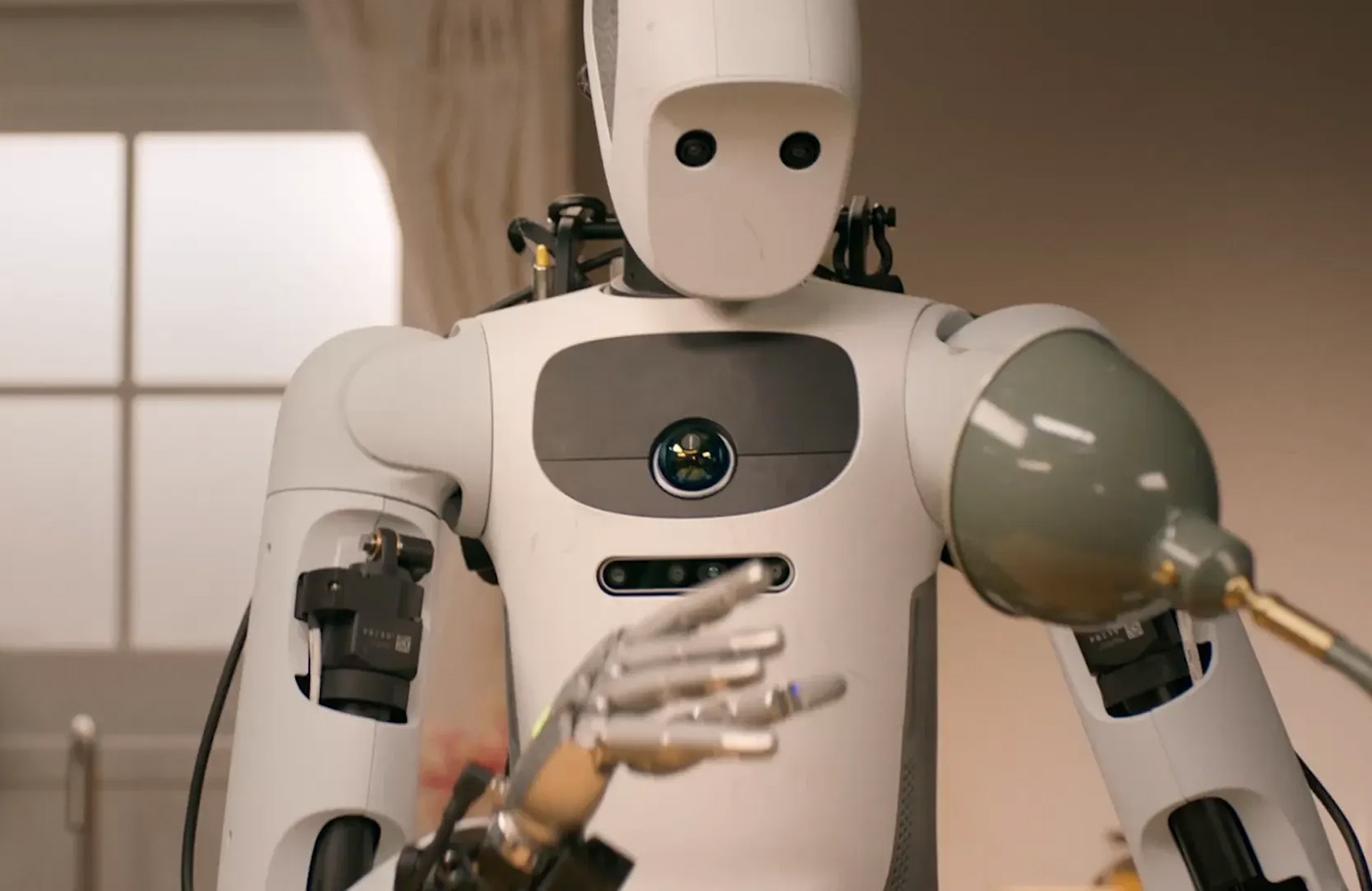
Apptronik’s Apollo 2 walks to a table, picks up a watering can, carries it across the room, and bends to place it on a low shelf.
Google DeepMind shared Gemini Robotics 2 on July 30 (opens in a new tab). The company says the model coordinates that entire chain, letting the robot step, balance, bend, reach, and grasp as one connected action.
One model moves the whole body
Gemini Robotics 2 is a vision-language-action model (opens in a new tab). In plain terms, it looks through a robot’s cameras, interprets an instruction, and turns that understanding into motor commands.
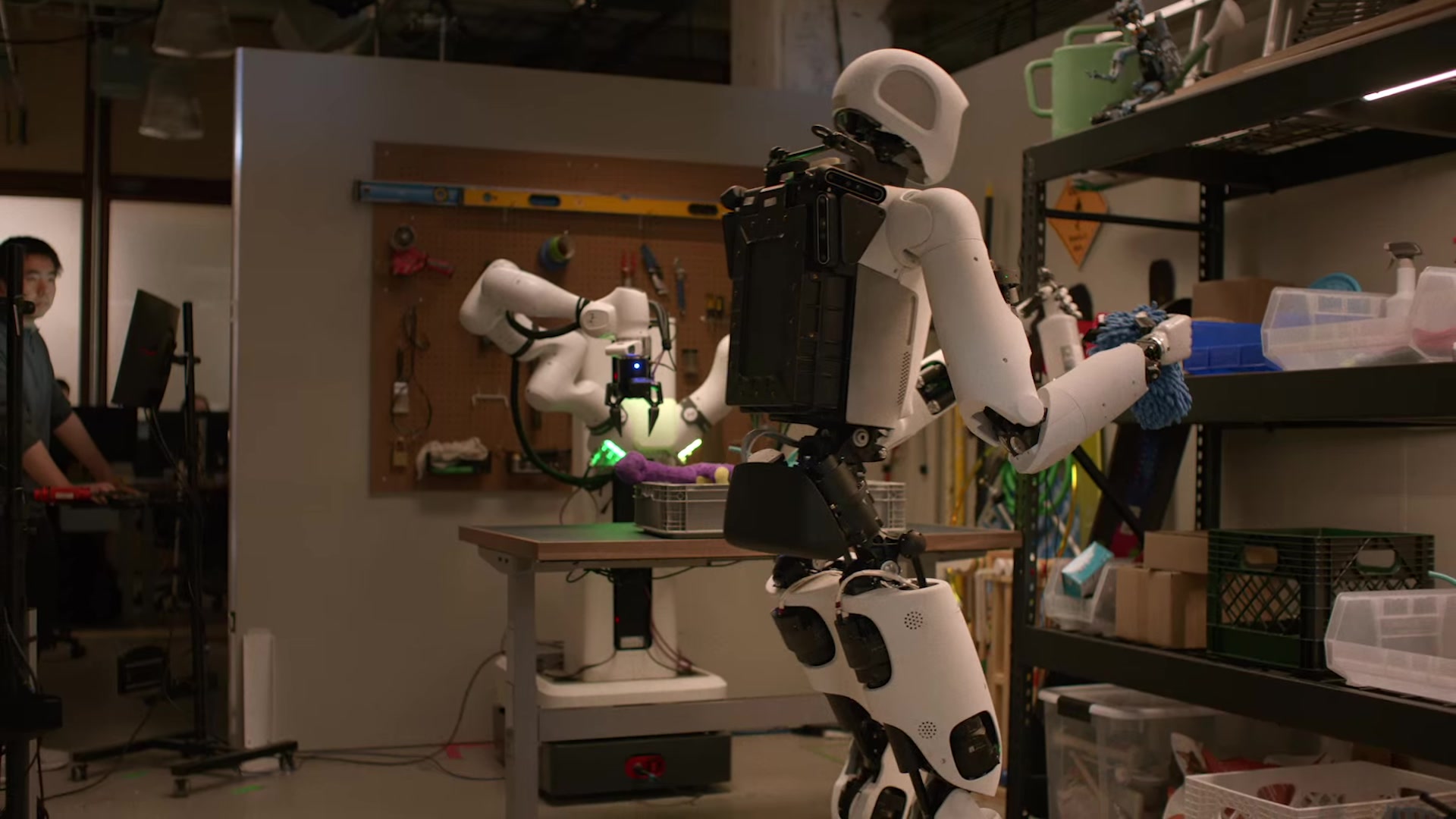
Whole-body control makes a simple reach much more useful. If an object is low or far away, the model can move the robot’s feet and center of gravity while coordinating its arms and hands. DeepMind says that balance lets a humanoid work through cluttered spaces instead of waiting for every object to be placed on a table.
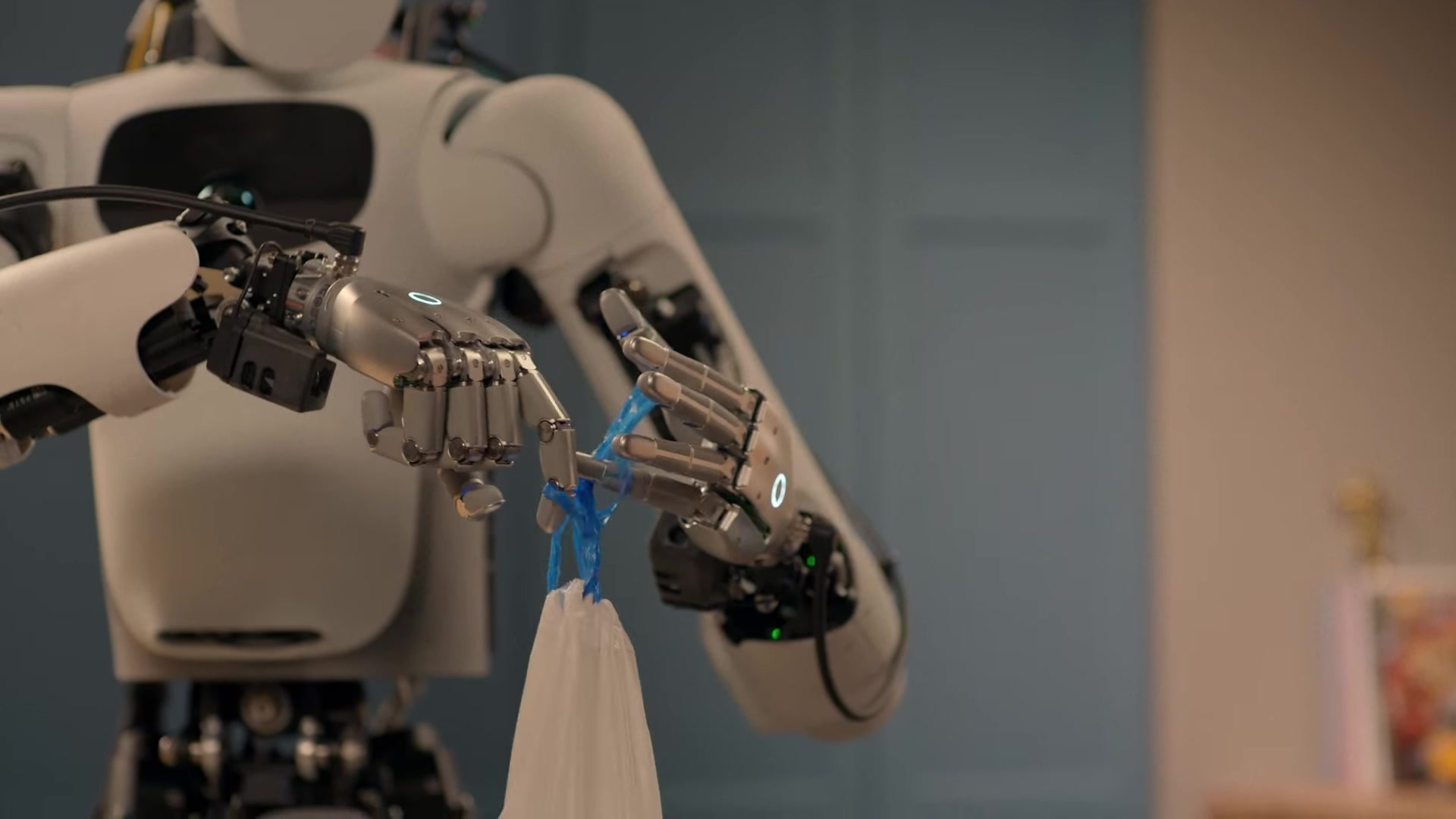
The same model can control a five-fingered hand with 22 independently controlled ways to move. DeepMind shows Apollo screwing or unscrewing a light bulb, tying a trash bag, and closing a zip bag. It also works with simpler two-finger grippers on a Franka Duo robot.
The benchmark shows how early this is
The demonstrations are striking, but DeepMind’s own results show a large gap between performing a task once and doing it reliably.
In tests with Apollo and its five-fingered hand, the model scored 92% for unscrewing a bulb. It scored 36% for screwing in a bulb, 44% for tying a trash bag, 32% for using a dustpan, and 40% for sealing a zip bag.
Whole-body pickup results also changed with the object’s location. DeepMind reported 76.3% from a shelf, 68.4% from a table, and 45.7% from the floor.
The robot can demonstrate these skills, but the numbers do not yet support dependable help around a home or workplace. DeepMind also notes that the robots still need to move faster.
A second model handles the plan
Gemini Robotics 2 is the software that controls the robot’s body. It turns a planned action into motor commands for the legs, arms, and hands. It works alongside Gemini Robotics ER 2 (opens in a new tab), a higher-level model that reads the room, breaks a request into steps, checks progress, and decides what should happen next.
Keeping the planner and controller separate lets the system think about the next step while the robot is still moving. DeepMind says ER 2 can notice a failed step, try again, and coordinate different robots so each handles the part that best fits its body.
This is the part that could turn a collection of impressive motions into a longer job. A robot needs more than a good hand or steady legs. It has to know whether the last step worked and what to do when the room does not match the plan.
A new robot in a few hours
Google says the on-device model (opens in a new tab) can adapt to a new robot with fewer than 200 examples and a few hours of training. Running locally can also remove the delay and connectivity needs of a cloud service, though developers still need access through DeepMind’s trusted-tester program.
Gemini Robotics 2 is in private preview. Its lighter On-Device 2 model is limited to trusted testers. Only the ER 2 planning model is in public preview through Google AI Studio and the Gemini API.
Safety remains a research problem as the robots gain more freedom. DeepMind says its system can detect a nearby person and call for the robot to stop, but the company warns that this is not a guaranteed safety-rated system (opens in a new tab).
DeepMind is working with more than 100 trusted testers, including robotics companies such as Agile Robots (opens in a new tab), Apptronik (opens in a new tab), and Boston Dynamics (opens in a new tab). The next meaningful proof will be whether those partners can repeat these behaviors at useful speed and reliability outside a carefully prepared demonstration.
More from Robotics.
Browse all stories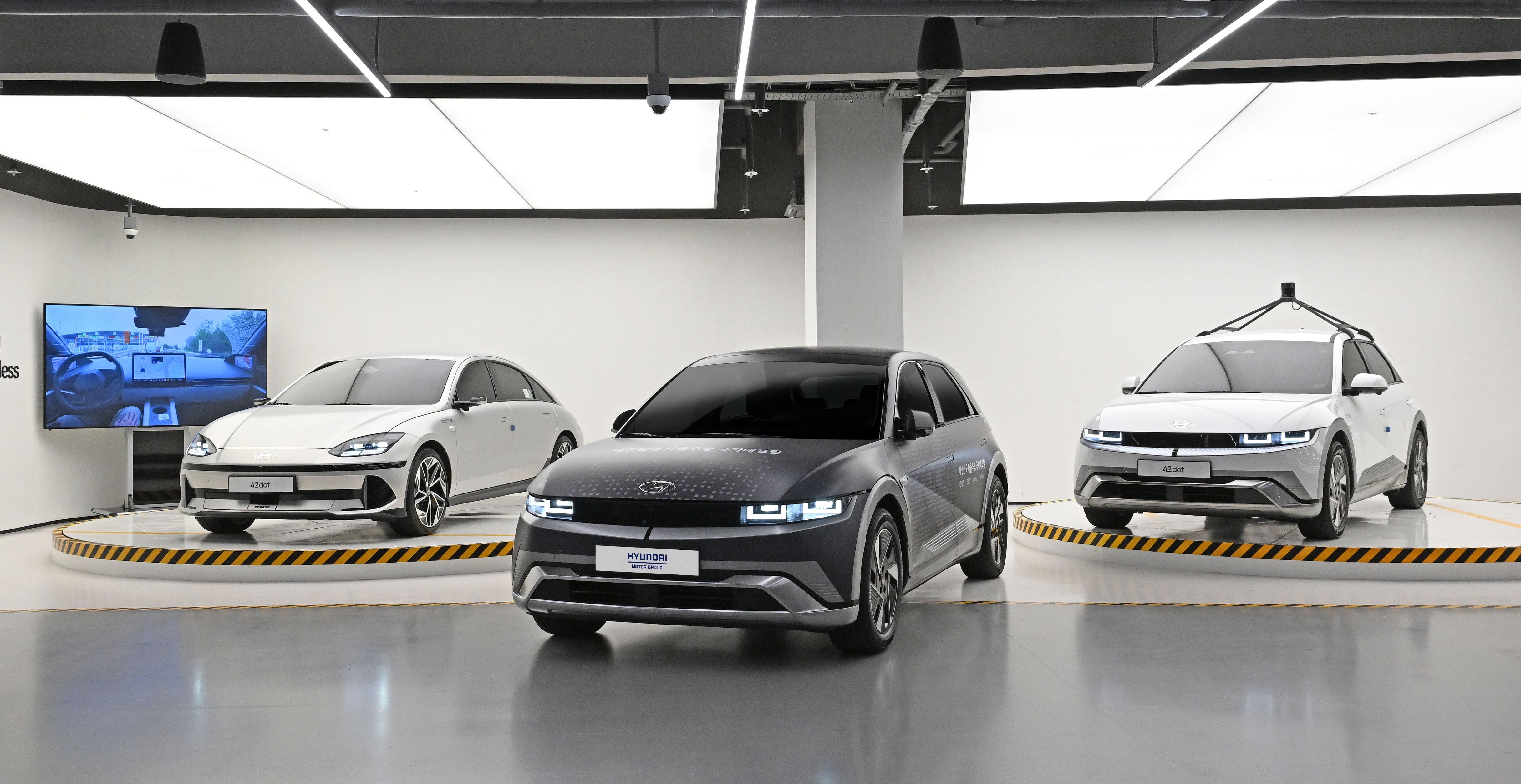
Autonomous Driving · 2 min read
Hyundai Recreates Real Roads in 3D to Test Its Driving AI
Hyundai uses Gaussian splatting to replay difficult driving scenarios in simulation, alongside plans to bring NVIDIA-powered driver assistance to production cars in 2028.

Robotaxis · 2 min read
Pony.ai and Verne Begin Driverless Robotaxi Test Rides in Zagreb
Invited passengers can travel a 22-kilometer route to Zagreb’s airport with no onboard driver, bringing Verne’s service closer to fully driverless operation.
World models · 2 min read
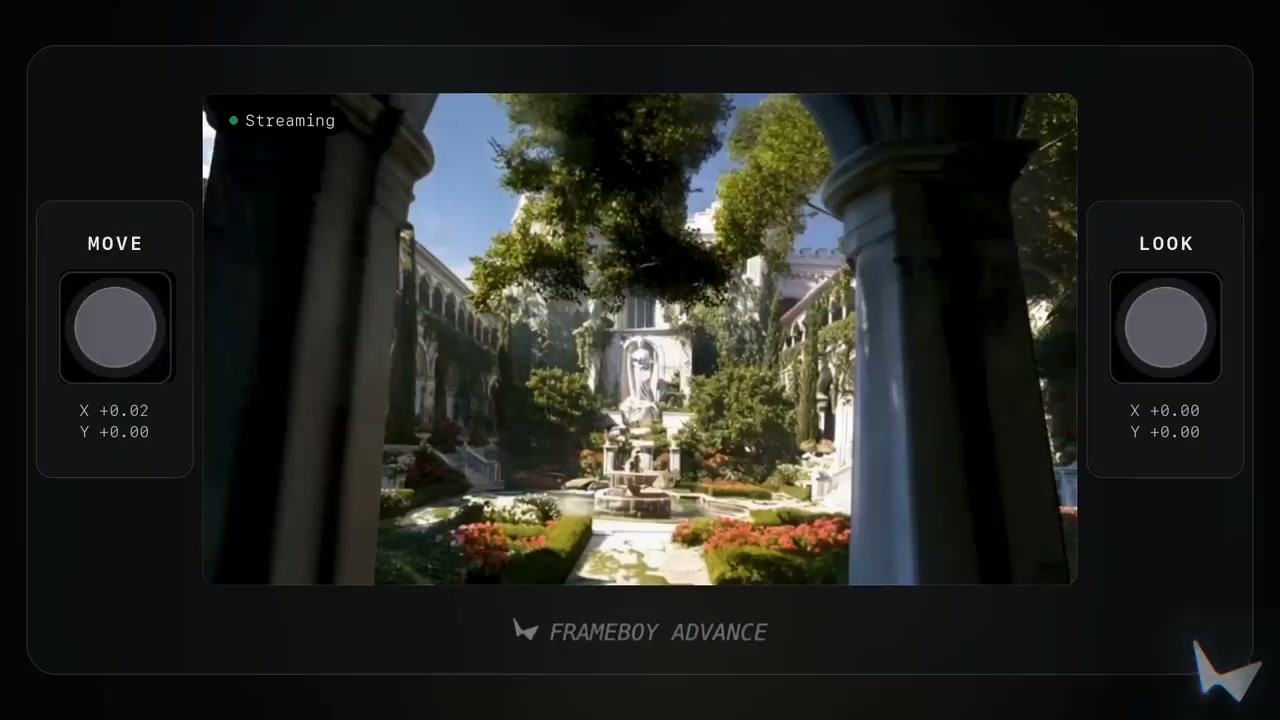
World Labs Previews Real-Time World Generation With Atlas
The AI model creates new views as you move, using reference images and earlier frames to keep the scene consistent.