
Hyundai Recreates Real Roads in 3D to Test Its Driving AI
Hyundai uses Gaussian splatting to replay difficult driving scenarios in simulation, alongside plans to bring NVIDIA-powered driver assistance to production cars in 2028.
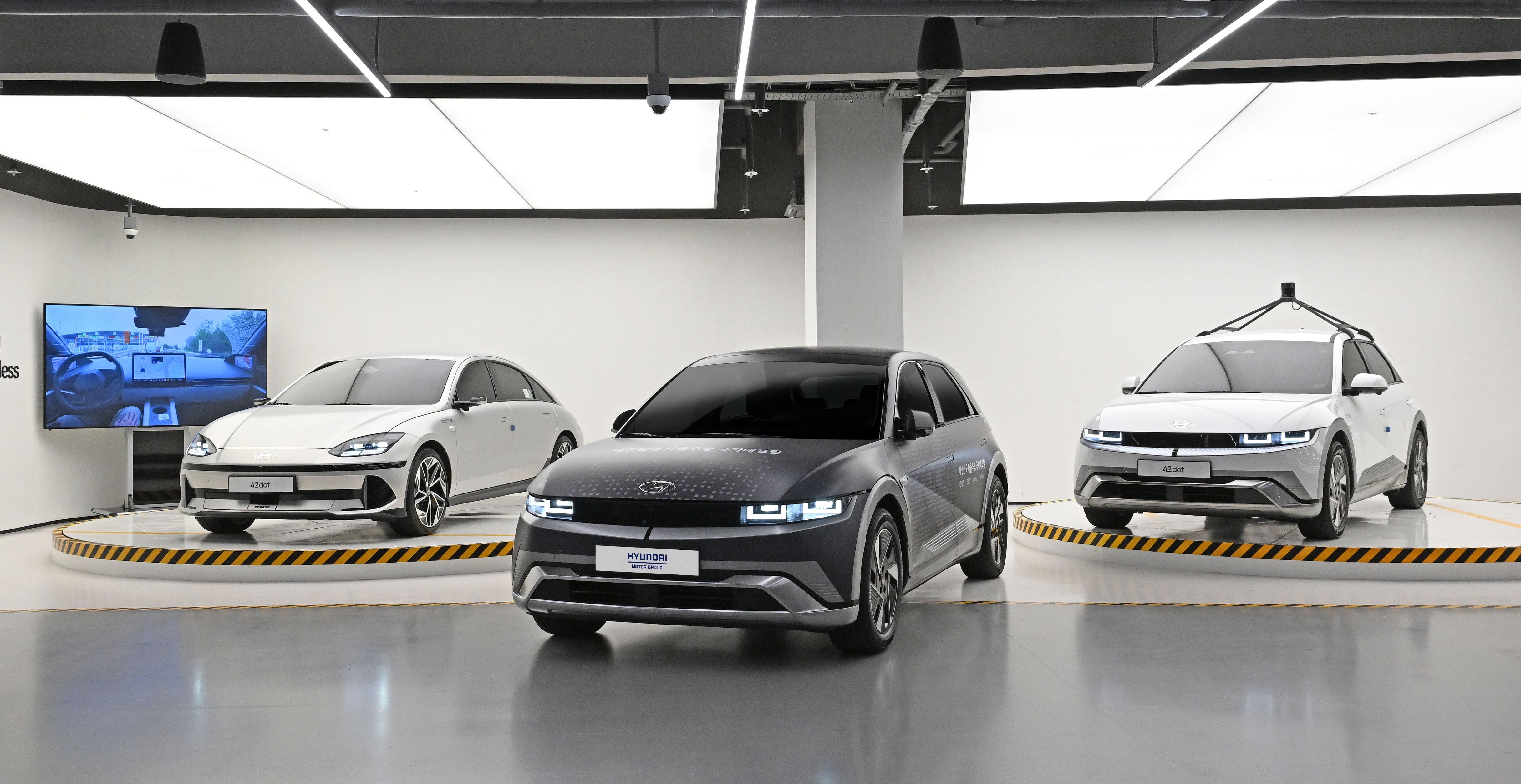
Hyundai Motor Group says it uses 3D Gaussian splatting to recreate real driving scenarios (opens in a new tab) so engineers can test driving AI in situations that would be difficult or unsafe to repeat on the road.
The reconstructions turn recorded road scenes into 3D environments for virtual testing. Engineers can evaluate updated models against challenging situations and check that new abilities have not weakened existing ones.
Hyundai outlined the process in its latest autonomous driving roadmap. It operates about 40 dedicated data-collection vehicles, gathering road experience that feeds AI training, testing, and subsequent vehicle updates.
From Road Data to Repeatable Tests
The aim is to make difficult driving situations useful beyond the original encounter. Reconstructing them gives engineers a way to revisit those conditions as they refine the software.
Hyundai is also working toward more consistent data collection across Hyundai Motor, Kia, 42dot, and Motional. Those teams will gradually standardize their sensor systems around NVIDIA DRIVE Hyperion 10 to support AI training and validation.
The Group’s separate Atria AI development footage shows responses to cut-ins, parked vehicles, and unprotected left turns. It offers a look at the road situations the driving software must handle.
Two Paths to Production
Hyundai plans to integrate NVIDIA’s Hyperion computing platform and DRIVE AV software into its production vehicle architecture. It targets NVIDIA-based Level 2+ vehicles in the first half of 2028 and Level 2++ vehicles in the second half.
Alongside that rollout, Hyundai is developing its own Atria AI system. Atria-powered Level 2++ production vehicles have a separate target of the second half of 2029.
Under the standard automation framework, Level 2 systems assist with steering and acceleration or braking (opens in a new tab), while the driver remains responsible for watching the road and taking control. The plus signs are industry labels, not separate official automation levels.
Hyundai has not named the first production models or markets, or detailed the features separating the two 2028 stages. The roadmap connects those future vehicles to an ongoing process of collecting road data, testing the software, and deploying improvements.
More from Robotics.
Browse all stories
Robotaxis · 2 min read
Pony.ai and Verne Begin Driverless Robotaxi Test Rides in Zagreb
Invited passengers can travel a 22-kilometer route to Zagreb’s airport with no onboard driver, bringing Verne’s service closer to fully driverless operation.
World models · 2 min read
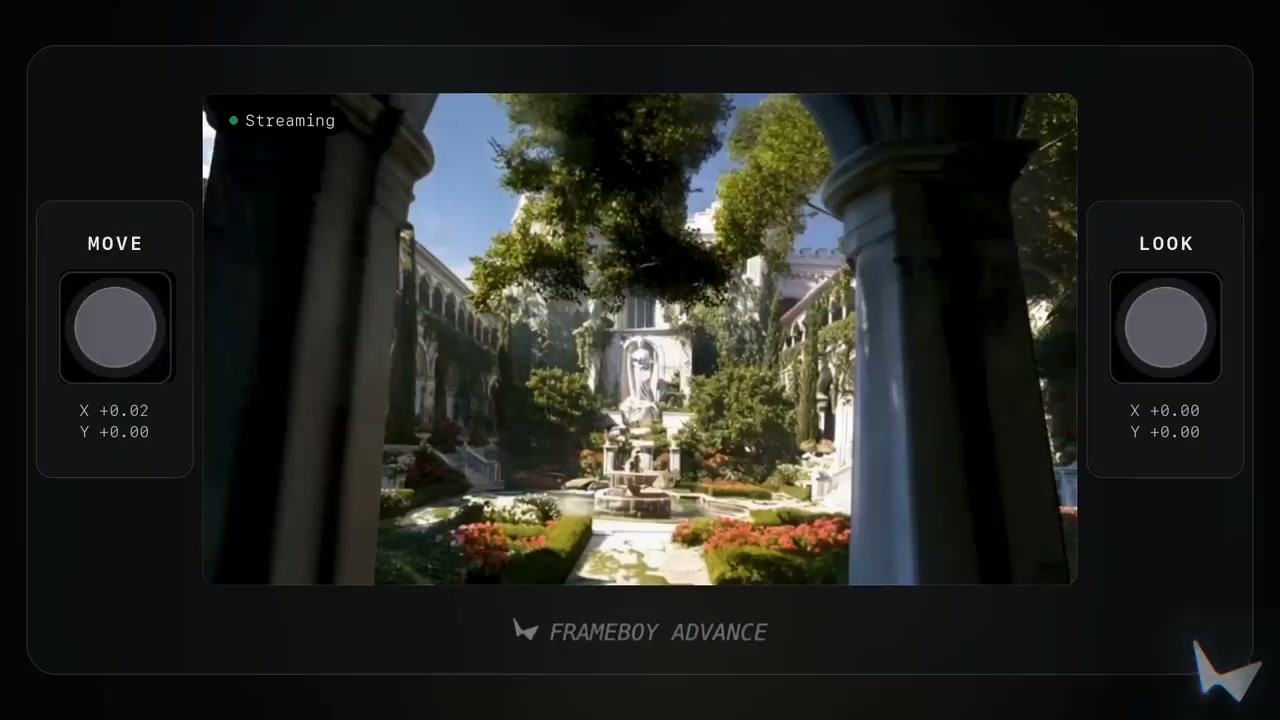
World Labs Previews Real-Time World Generation With Atlas
The AI model creates new views as you move, using reference images and earlier frames to keep the scene consistent.

AI Creation · 2 min read
Runway’s New AI Generates Worlds as You Play
GWM Worlds 2 makes AI-generated video interactive, creating each moment in response to your actions.