
InSpatio turns one video into a moving 4D Gaussian scene.
The research preview creates new camera angles from one video clip, without a multi-camera setup.
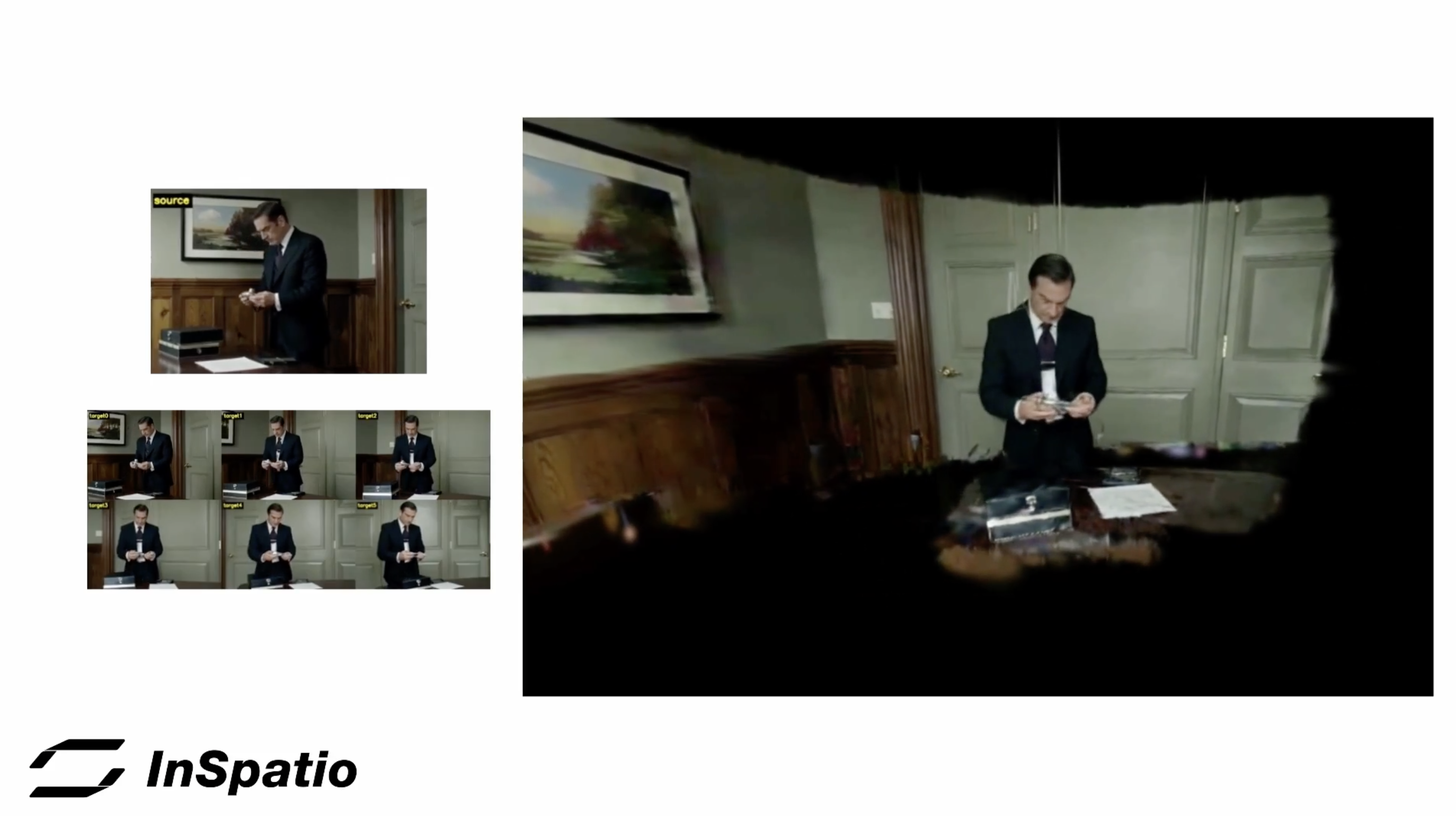
InSpatio has shown a research preview (opens in a new tab) that turns one normal video into a moving 3D scene. The result lets you move the view after the moment was recorded.
That is the key surprise. Most 4D capture uses several cameras around a subject. InSpatio says its demo starts with just one video from one camera.
One video, many new views
The 49-second demo tests four scenes. They include a man in an office, a deer in a forest, a dog on a beach, and a bartender making a drink. Beside each source clip, InSpatio shows views from places where the real camera never stood.
This is not just a cutout shifting over a flat background. The rooms, people, and animals appear to have depth. They also keep moving as the virtual camera travels around them.
That mix of space and time is what makes it 4D. The first three dimensions describe the scene. The fourth is time.
To build a new view, the system must work out what is moving, how far away each part is, and what stays in place after it leaves the frame. More cameras make this easier. Doing it with one camera is much harder, which is why this demo stands out.
The scene is built from Gaussian splats
InSpatio calls the result a 4D Gaussian scene. A Gaussian splat is a small, soft shape with color and depth. Thousands of them can join to form a 3D place that is fast to draw.
For a moving scene, those shapes must also change over time. The system can then replay the moment from a new point of view instead of making one more flat video.
This fits InSpatio’s bigger goal
InSpatio wants AI to understand places, not just single pictures. Guofeng Zhang and Haomin Liu founded the company after years of work in 3D vision at Zhejiang University and SenseTime.
The company has also released InSpatio-World, a model that can make explorable worlds from video. But InSpatio has not said that this new 4D demo uses the same method. It has not shared a paper or code for the project yet.
Why it could matter
We have already captured years of our lives on video. If one clip can become a stable 4D scene, an old video could become a place you can revisit in a headset.
Filmmakers could choose a new camera angle after filming. Sports teams could study a play from a different spot. The same kind of scene could help robots learn where objects are and how they move.
A strong demo with open questions
Right now, we do not know how long the process takes, what hardware it needs, or how well it works outside these selected clips.
Still, the preview points to a simple but powerful change. A video may not have to stay locked to the camera that shot it. It could become a place we can enter and explore.
More from Capture & Create.
Browse all stories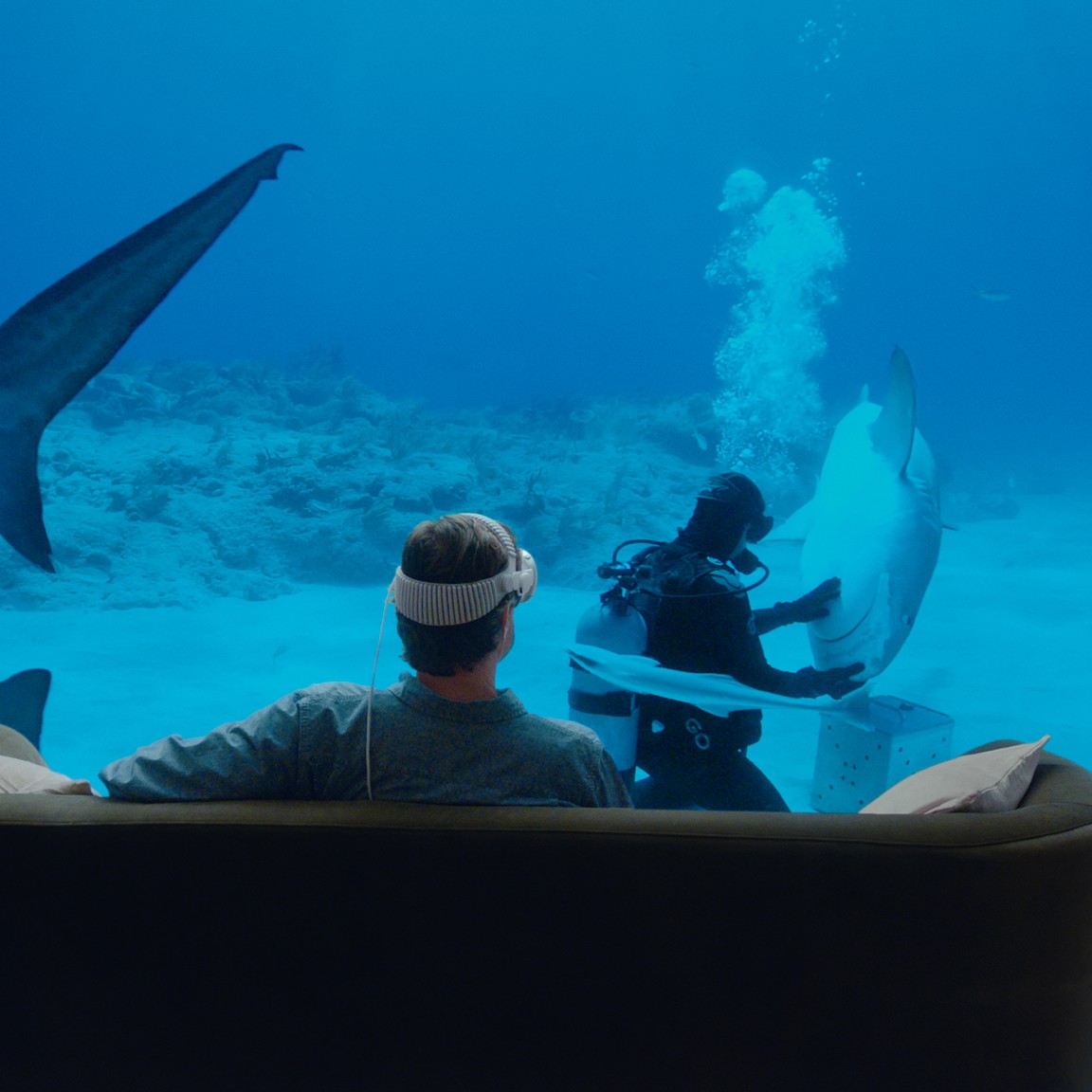
Apple Immersive · 2 min read
Apple Plans Immersive Video Creator Event in Cupertino on November 11
Creators can preview live production in Apple Immersive, explore new workflows with Apple experts, and join in person or online.

360 Drones · 2 min read
Antigravity’s New Bundle Lets You Control Your 360 Drone With a Watch and Ring
The Follow Me Bundle lets the A1 follow you, show a live view on your wrist, and record in 8K in every direction for editing later.
3D Capture · 2 min read
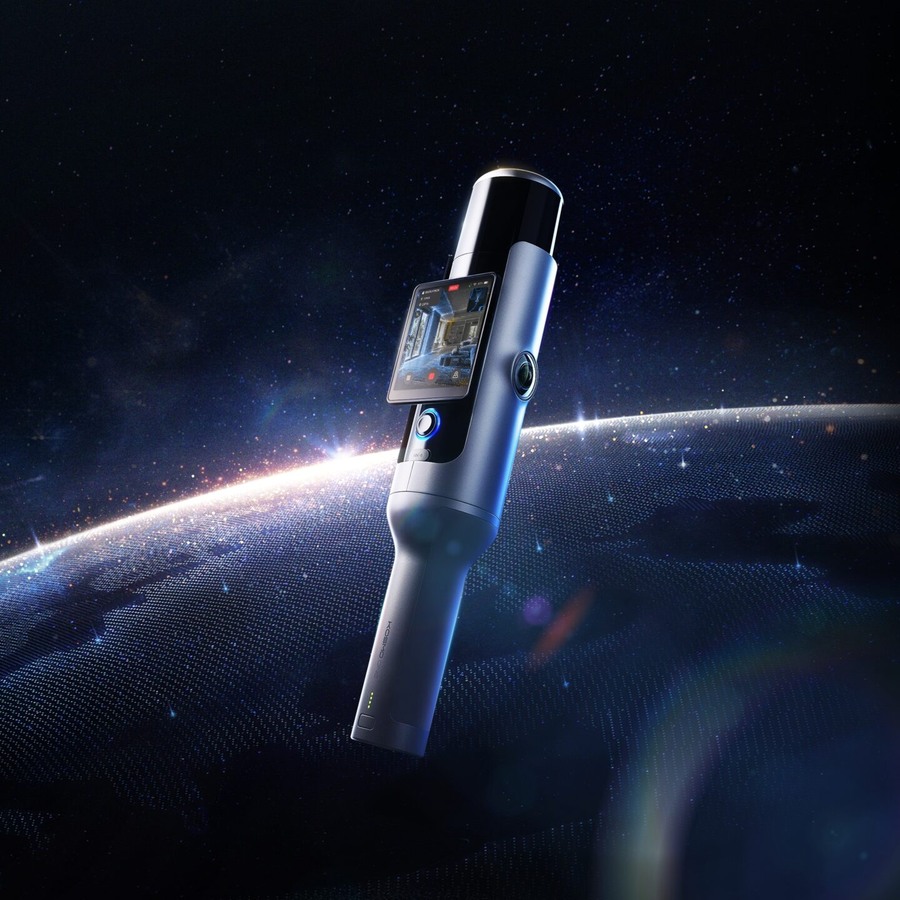
Kosmo’s New 3D Scanner Captures Gaussian Splats for Films and Robotics
Kosmo One combines LiDAR and cameras. Its cloud software can rebuild a space, move objects, and fill in areas the scan missed.