Meshy 7 Is Now Available and Actually Pretty Impressive
We tested Meshy 7 with our own images. The detailed, fully rotatable results show how far image-to-3D generation has come.
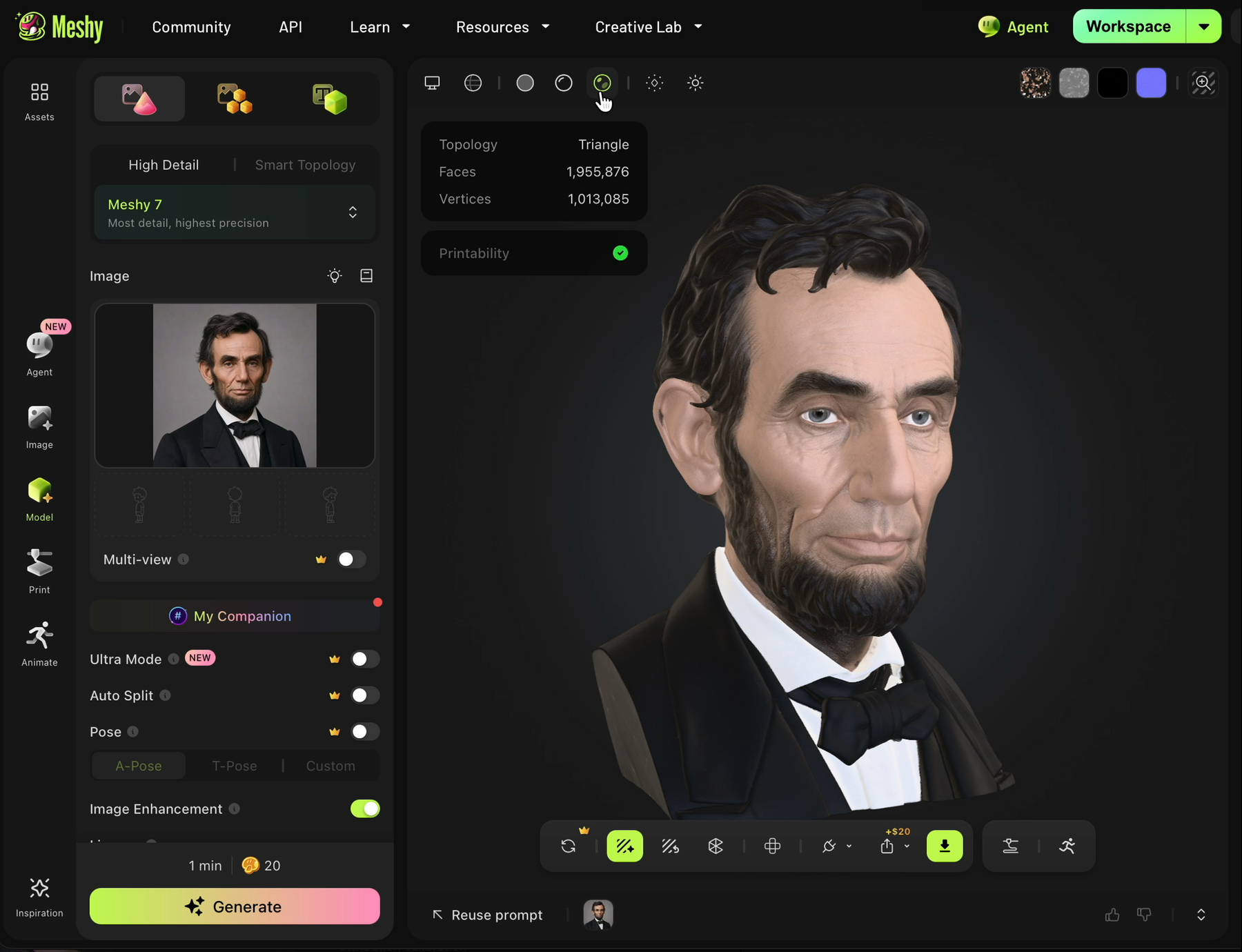
Meshy 7 (opens in a new tab) is now available with an upgraded image-to-3D model that can turn a single picture into a textured, fully rotatable 3D object.
Meshy says the new model more accurately preserves a reference image’s proportions, part placement, and surface detail. Draft models take about 30 to 40 seconds to generate, according to the company. That lined up with our testing, where the results appeared well under a minute.
Meshy’s examples look impressive
The company’s launch examples include expressive faces, an intricate mechanical bird, and a carved jade medallion. A newer demonstration places the original images beside Meshy 7’s generated geometry and textured results, making the improvements easy to see.
Meshy calls the improvement alignment. In plain terms, the generated object should look more like the picture someone uploaded, with the right shapes in the right places instead of a loose 3D interpretation.
Then we tried it ourselves
The company’s examples looked good, but our own results were the real surprise.
We gave Meshy 7 a portrait of Abraham Lincoln. It returned a remarkably recognizable textured bust with modeled hair, clothing, ears, and even the back of his head. The original picture could not fully show many of those details.
The result is not merely a flat image wrapped around a simple shape. Rotate the model and Lincoln’s profile, hair, beard, collar, bow tie, and jacket continue around the entire bust. It is genuinely incredible to see this come from one picture.
For a different kind of complexity, we tried a rotary phone. Lincoln tested facial likeness, hair, and clothing, while the phone presented mechanical shapes, a circular dial, separate feet, and a thin coiled cord.
Meshy 7 reconstructed the phone as a complete object, including geometry hidden from the camera in the original image. The cord loops around the back, the handset rests above the body, and the circular dial openings remain recognizable as the model turns.
From one photo to games, AR, and 3D prints
Meshy can export models as GLB for the web, FBX for game engines, STL for 3D printing, and USDZ for Apple’s AR Quick Look, among other formats. Creators can take a generated model beyond the preview and bring it into the tools where they already work.
A game developer could quickly create a prop from concept art. A spatial designer could turn a product image into an object for an AR scene. A 3D artist could generate a base model and spend more time refining it instead of beginning from an empty canvas.
Meshy 7 gave us two impressively detailed objects we could immediately rotate, inspect, texture, export, and build on. Both already looked polished inside the viewer.
Image-to-3D generation is getting very good, very fast. Our results made it easy to imagine using Meshy 7 for real creative work today.
More from Capture & Create.
Browse all stories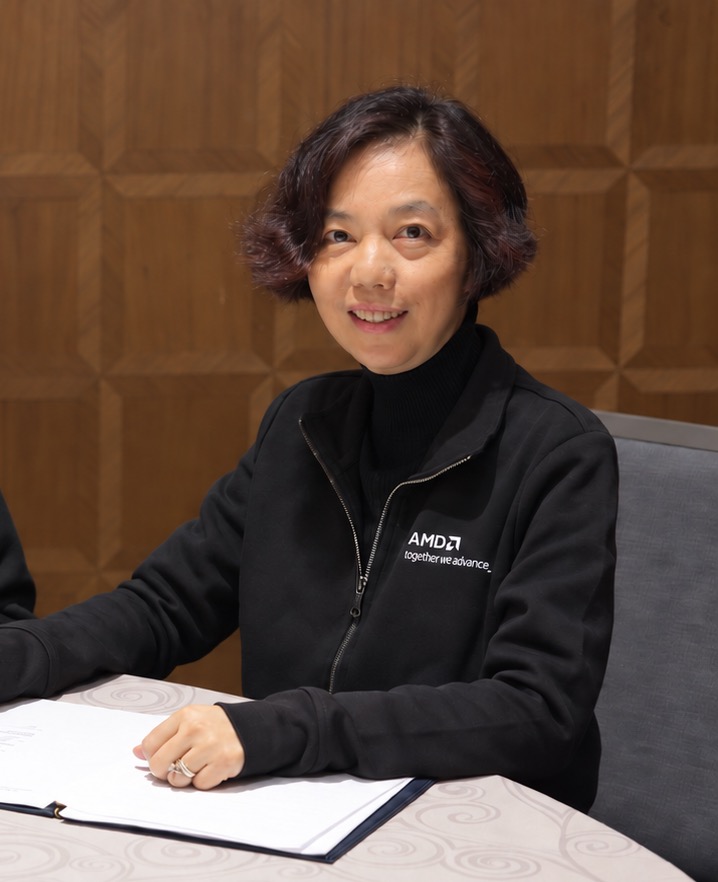
Spatial AI · 2 min read
AMD to Buy World Labs for $8.2 Billion
Fei-Fei Li will become AMD’s chief scientist, bringing the team behind Marble and Atlas closer to the chips that power its research.
Immersive cinema · 1 min read
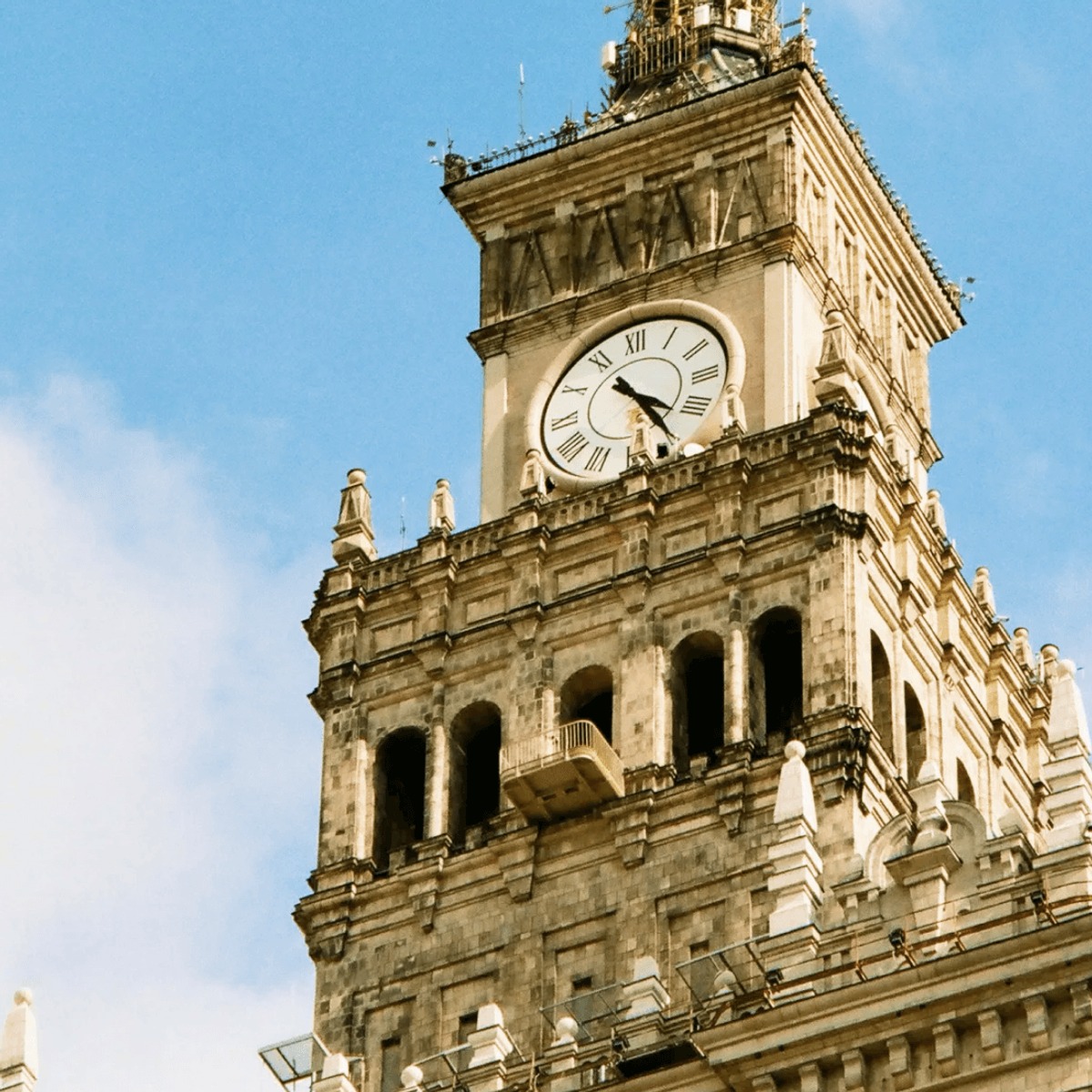
Immersive Warsaw brings filmmakers and creators together on November 5
The in-person event at Kinoteka pairs Apple Vision Pro screenings with filmmaker talks, networking, and an up-close look at Blackmagic’s URSA Cine Immersive camera.
Robotics · 2 min read
Niantic Launches 100 Real-World Scenes for Robot Training
The Places Library pairs detailed 3D scenes with physical surfaces for simulation, with free samples of a London street and a New Jersey warehouse.