
Meta Reveals 100-Gram VR Glasses With Eye Tracking
Meta VR Glasses will run Quest games and show 3D movies on micro-OLED displays, with a separate puck keeping the battery and processor off your face.

Meta’s next VR device drops the head strap and moves its computer into your pocket. Revealed at Connect 2026 (opens in a new tab), Meta VR Glasses put the displays and sensors in a frame that weighs about 100 grams.
You’ll navigate with your eyes and hands, open virtual screens around you, and play games from the Quest library. Meta plans to launch the glasses in spring 2027 for $1,299.99 in the U.S.
The computer moves off your face
The magnesium-alloy frame (opens in a new tab) connects to a separate puck through a thin tether. That puck holds the processor, battery, and storage. The roughly 100-gram figure covers the glasses alone.
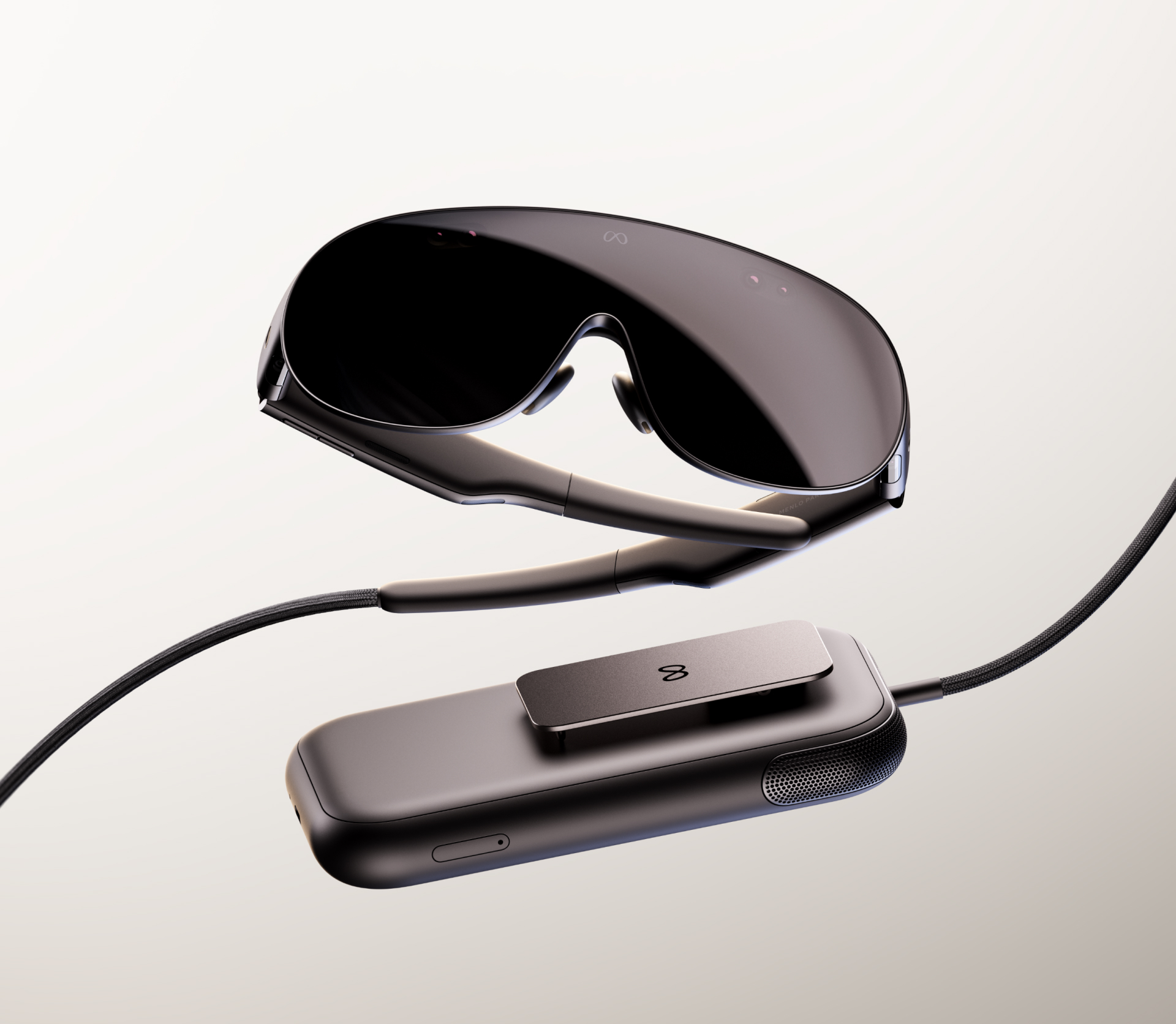
Snapdragon Reality Elite powers the system. Meta says the battery supports up to three hours of high-resolution media playback, with 45W fast charging.
Look, gesture, and open a screen
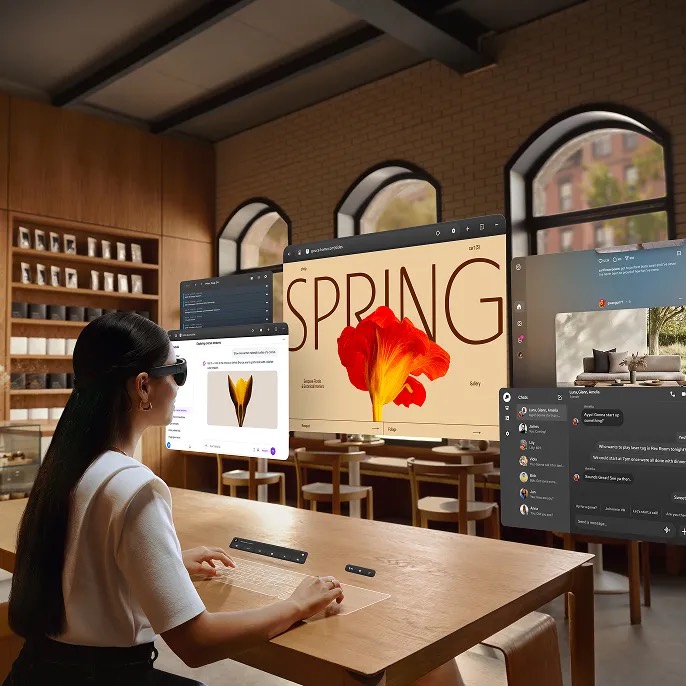
Meta’s Connect announcement (opens in a new tab) describes eye and hand controls for a workspace with multiple virtual screens. You can also connect other devices and extend their displays into that space.
A flat table can become a keyboard and touchpad. Full-color camera passthrough lets you see your desk and phone while the virtual screens stay in view. Meta AI adds voice control for tasks such as opening a movie or rearranging the workspace.
Bring your Quest games
UploadVR reports (opens in a new tab) that Meta VR Glasses support Quest content. Games that need tracked controllers can use Touch Plus controllers, purchased separately or paired from a Quest 3 or 3S you already own.
Meta is also planning more than 75 games you can play with your hands at launch (opens in a new tab). Xbox Cloud Gaming adds streamed games, while a connected console or handheld can use the glasses as a large virtual screen.
Among the announced games (opens in a new tab) are Two Point Hospital and Tetris Effect: Mixed Realities. Beat Saber is getting a new hand-tracking mode called Flux, where players channel energy between their palms to slice notes.
Micro-OLED movies and a bigger screen
For movies, Meta is pairing micro-OLED panels with compact pancake lenses in what it calls the 5K Infinite Display (opens in a new tab). The company quotes 37 pixels per degree, a measure of detail within your view. Dolby Vision and Dolby Atmos are supported, and Meta says the glasses are the first IMAX Enhanced certified VR device.
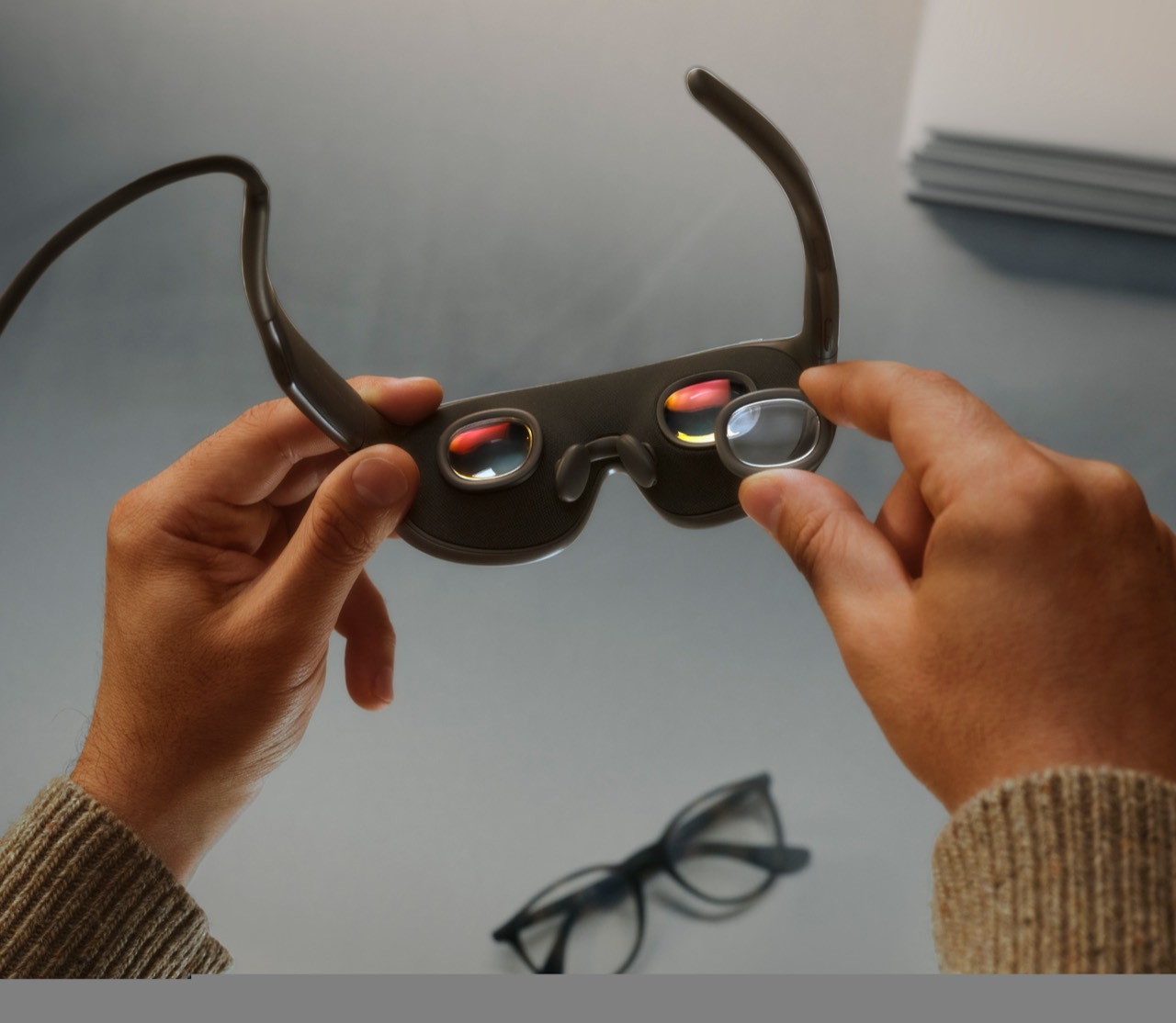
Prescription inserts (opens in a new tab) will be sold separately. Disney+ will offer 3D movies, with a subscription required and title availability varying by region.
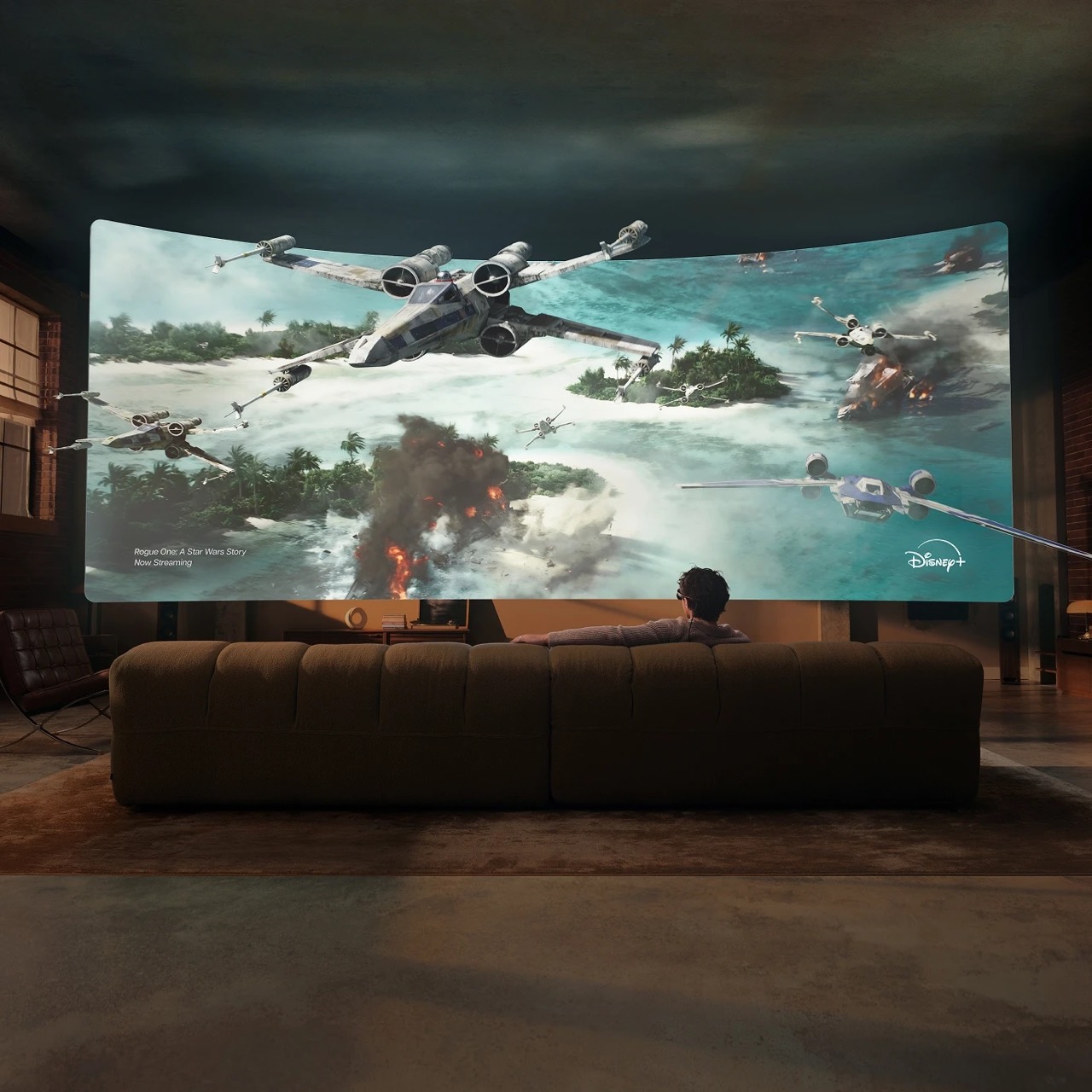
Some films will extend beyond the virtual screen. Industrial Light & Magic (opens in a new tab) is developing Disney Immersive Cinema by ILM with Star Wars: A New Hope and Avengers: Infinity War. The films stay at the center of the experience, while effects from selected scenes reach into your surroundings.
ILM is also developing National Geographic: Beyond with stereoscopic 180-degree footage filmed in Africa. That means a wide view of real wildlife and landscapes, recorded in 3D. Both projects are in development for Meta VR Glasses and Quest 3 and 3S.
Live sports from a courtside seat
Meta plans more than 100 immersive live U.S. sports events each year after launch (opens in a new tab). Its announced partners include ESPN, MLB, NBC Sports, TNT Sports, and UFC.

For basketball, Meta’s product disclosures (opens in a new tab) specify selected NBA games. Availability varies by region, and a subscription may be required.
Show up in calls as yourself
Meta’s Hologram feature (opens in a new tab) starts with a quick capture on your phone. It creates a lifelike digital version of you that carries your expressions into calls, with support planned for the glasses at launch.
Meta says Hologram works with apps including WhatsApp and Zoom. People joining on a phone or computer can see your digital likeness on their screens too.
UploadVR reports (opens in a new tab) that the launch version uses front-facing stereoscopic video. It has depth, but moving around the likeness will not reveal new angles. Meta plans to add that freedom of movement later.
Coming spring 2027
Meta VR Glasses are scheduled to go on sale in spring 2027 for $1,299.99 in the U.S. Meta’s product page is taking sign-ups for launch updates.
More from Glasses & Headsets.
Browse all stories
AI Glasses · 2 min read
VONDER Unveils $299 AI Glasses With Bone-Conduction Microphones
The new brand from VITURE’s co-founders uses voice-sensing hardware to reduce pickup of nearby conversations. Preorders open September 28.

Meta Connect · 2 min read
How to Watch Meta Connect 2026 Online Today
Mark Zuckerberg’s keynote starts at 4 p.m. Pacific, with free streams online and a second day devoted to developers.
Meta Connect · 3 min read
What to Expect at Meta Connect This Week
Meta has promised glasses updates, and its agenda already names VR glasses, new wearable tools, and Muse AI.