
NVIDIA Opens Its Alpamayo 2 Super Self-Driving AI Model for Commercial Use
The 34-billion-parameter model lets autonomous vehicle developers fine-tune surround-view reasoning on proprietary fleet data and commercially redistribute what they build.
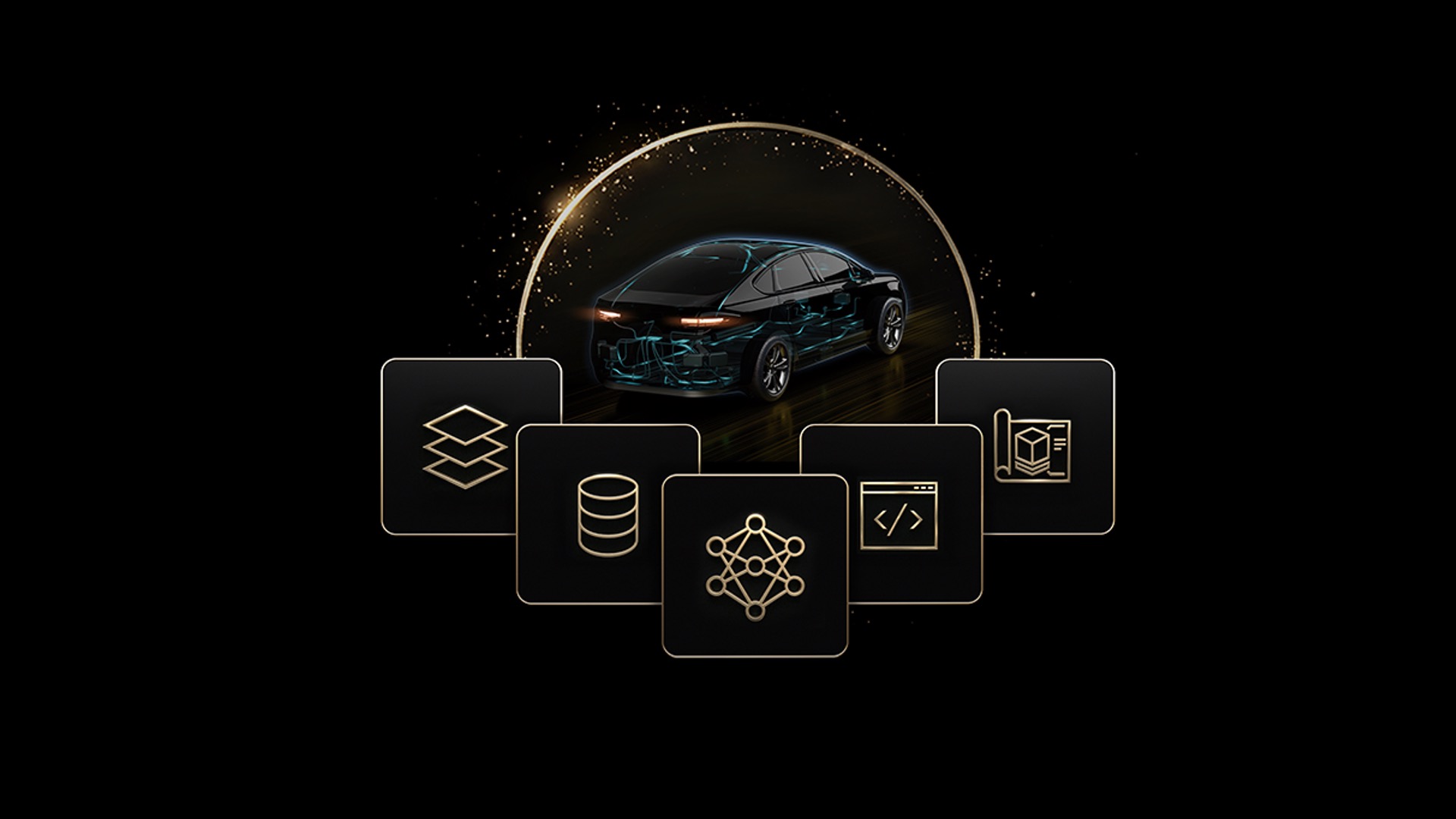
NVIDIA has opened Alpamayo 2 Super for commercial use, giving autonomous vehicle developers a foundation model they can fine-tune, turn into new models, and redistribute.
The new license creates a path from research to a product built around proprietary fleet data. It does not make the model ready to drive a car on its own.
The 34-billion-parameter model is available now on Hugging Face (opens in a new tab) under OpenMDW-1.1. NVIDIA says the license permits fine-tuning, derivative models, and commercial redistribution without asking the company for more permission.
It sees around the car
Alpamayo 2 Super is a vision-language-action model. It watches the road through cameras, reads a prompt and the vehicle’s recent motion, reasons about the scene, and turns that understanding into a possible path for the car.
Its 32-billion-parameter Cosmos 3 Super reasoner handles the video and language. A separate 2.3-billion-parameter action expert produces the motion, bringing the total to the 34 billion parameters NVIDIA uses in the model’s name and description.
The model can use views from up to seven cameras around a vehicle. For each scene, it can return a planned path, an explanation of why it chose that path, and a broad action such as stop, yield, or change lanes.
It can also answer questions about what the cameras see and draw boxes around the objects behind an answer. Developers can use those results to label large collections of driving video or inspect why another driving model made a decision.
Commercial does not mean road-ready
The released model is better suited to development work in a data center than real-time use inside a car. NVIDIA tested it on one H100 GPU with 80GB of memory. The measured setup used a little more than 72GB at its peak.
That makes Alpamayo 2 Super useful as a teacher. A team can use it to study difficult scenes, create training labels, or train a smaller model that can run on hardware inside a vehicle.
The commercial license removes one barrier, but it is not a safety approval. NVIDIA’s model card (opens in a new tab) says any system built with the model still needs testing with data from its specific use case before deployment.
The benchmark measures reasoning
NVIDIA reports that Alpamayo 2 Super scored 79.2 on LingoQA and ranked first among nearly 40 models the company evaluated.
LingoQA tests whether a model can answer questions about driving video. Its Lingo-Judge metric (opens in a new tab) compares each answer with a reference answer. It is useful evidence that the model understands a recorded scene, but it does not prove that a vehicle can drive safely on public roads.
The model weights are available on Hugging Face (opens in a new tab), and NVIDIA has published inference notebooks on GitHub (opens in a new tab). The next proof will come from developers adapting the model to their own fleets and showing that smaller versions can repeat its reasoning safely in real vehicles.
More from Robotics.
Browse all stories
Figure Helix · 2 min read
Figure Introduces Helix 2.5, Bringing LLM-Style Scaling to Robot Learning
Figure’s robots tidied rooms, folded towels, and made beds across 30 homes without training in those spaces.
Autonomous Driving · 2 min read
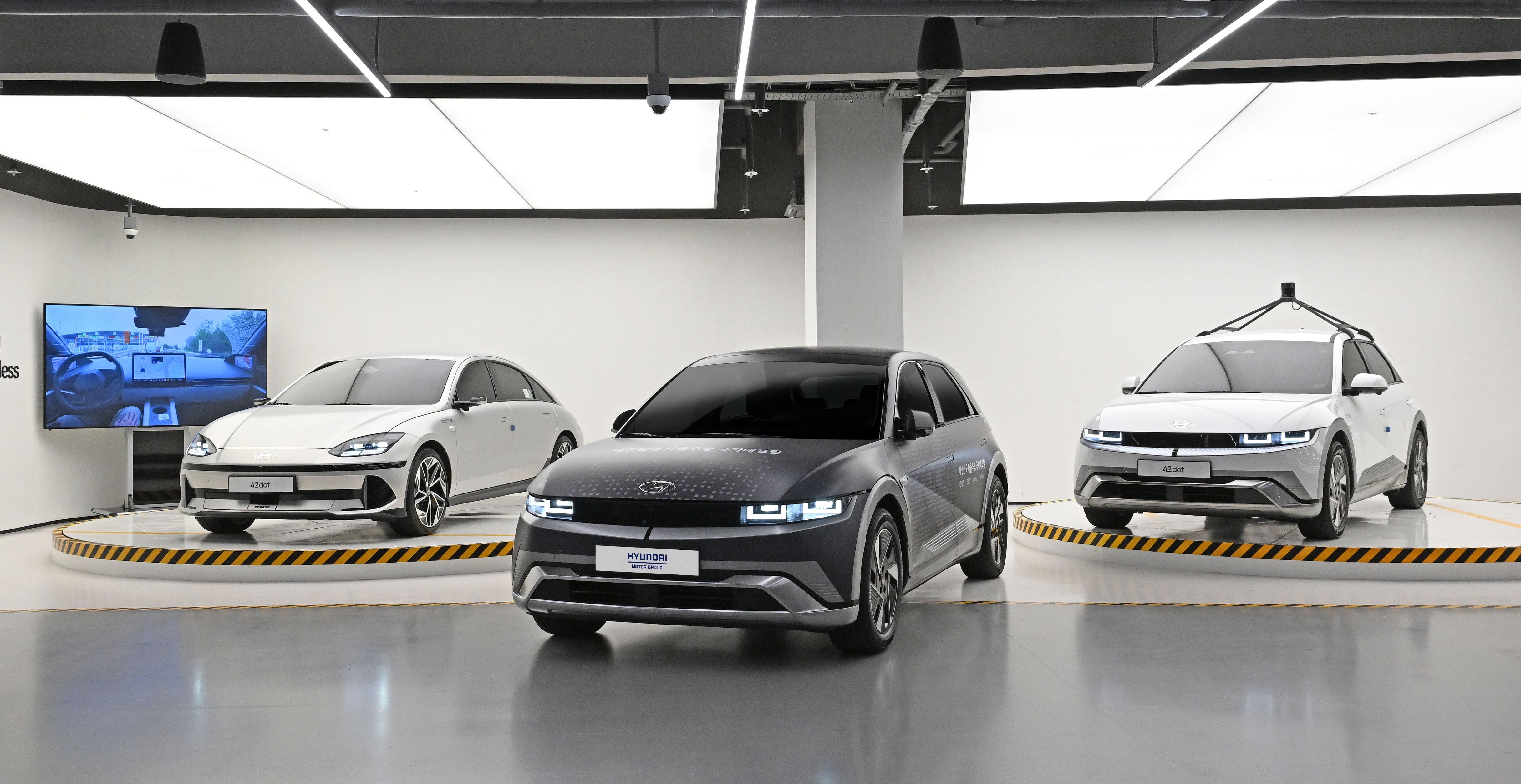
Hyundai Recreates Real Roads in 3D to Test Its Driving AI
Hyundai uses Gaussian splatting to replay difficult driving scenarios in simulation, alongside plans to bring NVIDIA-powered driver assistance to production cars in 2028.

Robotaxis · 2 min read
Pony.ai and Verne Begin Driverless Robotaxi Test Rides in Zagreb
Invited passengers can travel a 22-kilometer route to Zagreb’s airport with no onboard driver, bringing Verne’s service closer to fully driverless operation.