
PICO Had Planned a September 2 Space Pro Reveal
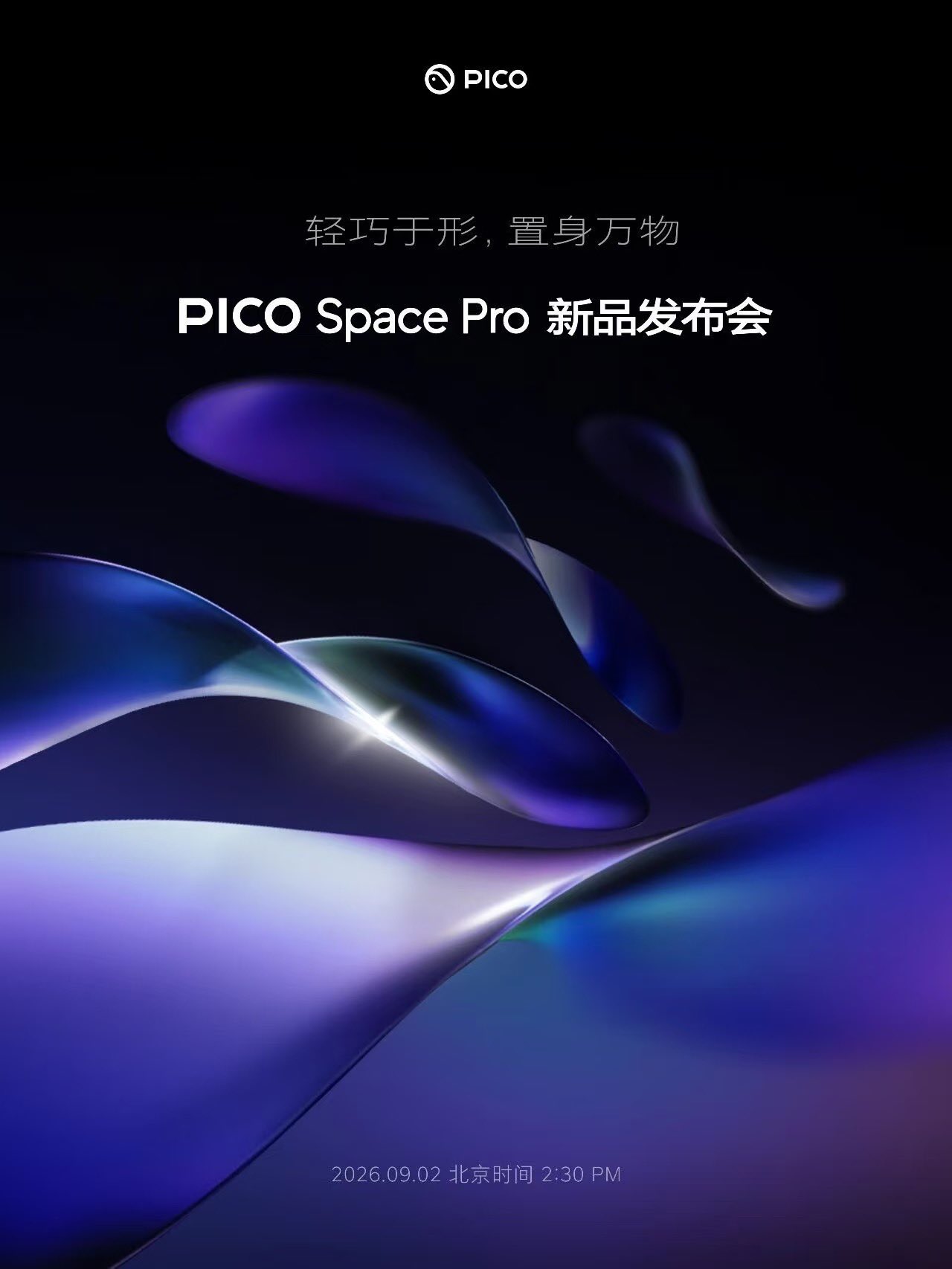
PICO originally scheduled a September 2 reveal for Space Pro, which pairs dual 4K micro-OLED displays with custom silicon and PICO OS 6.

Update, August 24. PICO has delayed the Space Pro launch to the fourth quarter of 2026 (opens in a new tab) while it completes a major software upgrade and expands user testing.
PICO had scheduled a September 2 reveal for Space Pro after teasing its next flagship headset since March, when it introduced Project Swan alongside PICO OS 6.
Hardware
PICO says Space Pro uses dual 4K micro-OLED displays with 4,000 pixels per inch, up to 40 pixels per degree across the view, and 45 pixels per degree at the center. Higher pixel density can improve the appearance of text, virtual screens, and fine detail.
The lenses, passthrough cameras, and overall fit will also determine how that resolution translates into the experience inside the headset.
The company has also built a custom spatial chip to work beside the headset's main processor. PICO says the combination more than doubles the CPU and GPU performance of Qualcomm's Snapdragon XR2 Gen 2 while cutting end-to-end latency to 12 milliseconds.
Software
PICO OS 6 is the other half of the Space Pro announcement. Its Shared Space can keep 2D windows, immersive apps, and spatial content in one environment instead of separating them into different modes.
PICO's official demo shows a browser beside a tabletop world while virtual characters share the room. It demonstrates how Shared Space can move beyond a conventional grid of app icons.
The setup is similar to Apple's Shared Space in visionOS, where app windows and 3D volumes can remain visible together in the room. PICO uses the same name for its approach to keeping different kinds of content active side by side.
PICO says the interface supports eye tracking, hand tracking, pointers, and traditional controllers. The company is presenting those input methods as parts of one system rather than separate ways to control different modes.
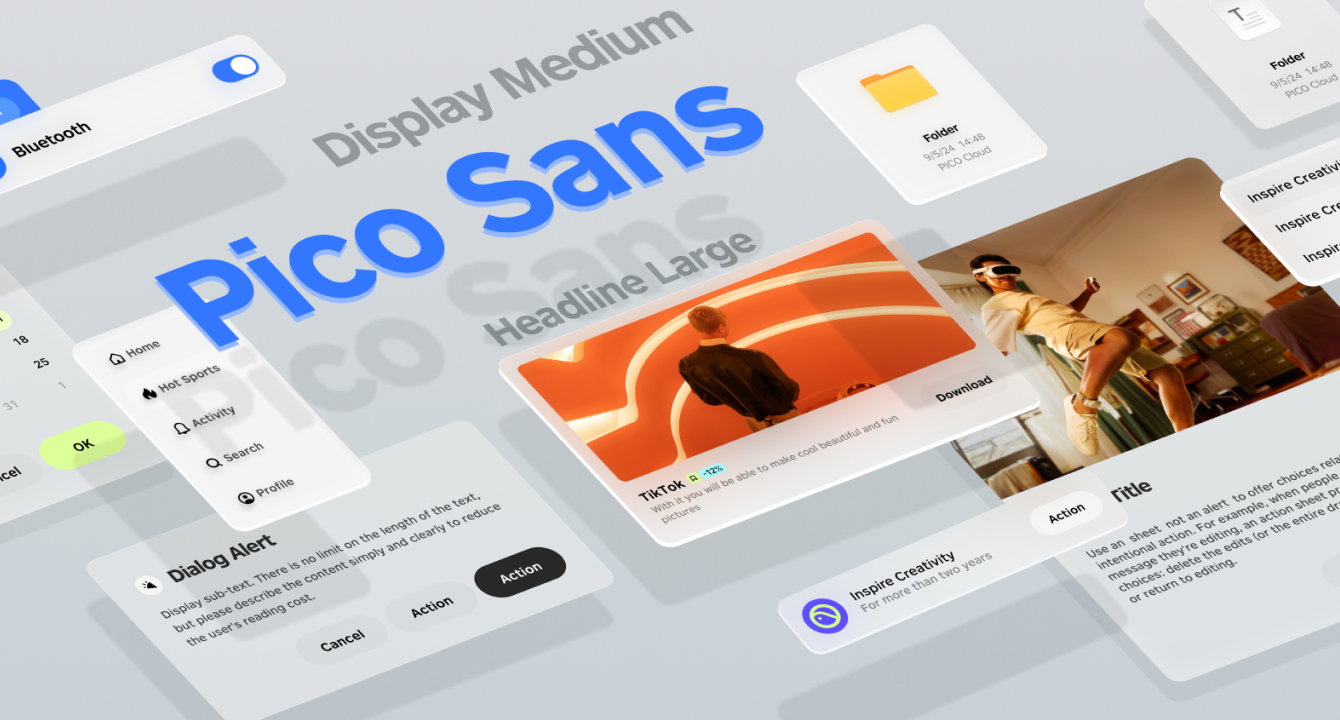
PICO OS 6 also introduces a visual language called Cloud Crystal. Its translucent panels and layered depth resemble visionOS, while PICO says the surfaces can adapt to the light and atmosphere of the room.
Launch Details
PICO now says its next-generation headset will launch in the fourth quarter of 2026. The company has not yet announced the price, weight, battery design, passthrough camera details, exact release date, or initial sales regions.
Together, the hardware and PICO OS 6 show the company's direction for Space Pro. PICO says it is using the added time for a major software upgrade and expanded testing before the fourth-quarter launch.
More from Glasses & Headsets.
Browse all stories
Vision Pro · 2 min read
Apple Is Exploring Four Vision Pro Redesigns, Gurman Reports
The N224 project could move computing hardware off the headset to reduce weight, but Apple reportedly has yet to settle on a design.

Meta Connect · 4 min read
Meta Reveals 100-Gram VR Glasses With Eye Tracking
Meta VR Glasses will run Quest games and show 3D movies on micro-OLED displays, with a separate puck keeping the battery and processor off your face.

AI Glasses · 2 min read
VONDER Unveils $299 AI Glasses With Bone-Conduction Microphones
The new brand from VITURE’s co-founders uses voice-sensing hardware to reduce pickup of nearby conversations. Preorders open September 28.