
Meta AI Glasses Grow as Reality Labs Losses Reach $97 Billion
Glasses now drive Reality Labs growth, even as Quest sales fall and Meta keeps spending billions on the business.

Meta shared its latest numbers on July 29. They show that its AI glasses are growing fast enough to change the story at Reality Labs. In the second quarter, the division brought in more money than it did a year ago even though Quest headset sales fell.
Reality Labs is the part of Meta that makes AI glasses, Quest headsets, Horizon software, and future AR devices. For years, Quest was its best-known product. Now glasses are taking the lead.
Meta finance chief Susan Li said on the company’s Q2 earnings call (opens in a new tab) that Reality Labs sales rose 16% to $431 million. Strong growth from AI glasses led the way, while lower Quest sales held back the total.
That makes glasses the clear bright spot in a business that is still losing a huge amount of money.
The good news comes with a big cost
- Reality Labs brought in $431 million. That was $61 million more than a year ago.
- It spent about $5.05 billion during the quarter.
- It lost $4.62 billion. The loss was $89 million larger than last year.
- In the first six months of 2026, it brought in $833 million and lost $8.65 billion.
Those figures come from Meta’s Q2 segment results (opens in a new tab), and they show the size of the gap. For every $1 Reality Labs brought in, it spent almost $12. Its loss was close to one-fifth of the $23.4 billion in profit made by Meta’s apps.
Those comparisons are Spatial Insider calculations using Meta’s numbers. They show how much support Reality Labs needs, but they do not tell us if the glasses make money on their own. The division also pays for Quest, Horizon, software, and research that may not become a product for years.
Glasses are taking the lead
The change becomes clear when we compare two quarters. In the first quarter (opens in a new tab), AI-glasses sales grew but could not make up for lower Quest sales, so Reality Labs sales fell 2%. In Q2, stronger glasses sales beat the drop in Quest and pushed the division up 16%.
EssilorLuxottica gives us one more clue. The company behind Ray-Ban and Oakley said it sold more than 7 million AI glasses in 2025 (opens in a new tab). It also said money from AI-glasses sales almost doubled from a year ago in Q2 2026, though it did not say how many pairs it sold in the quarter.
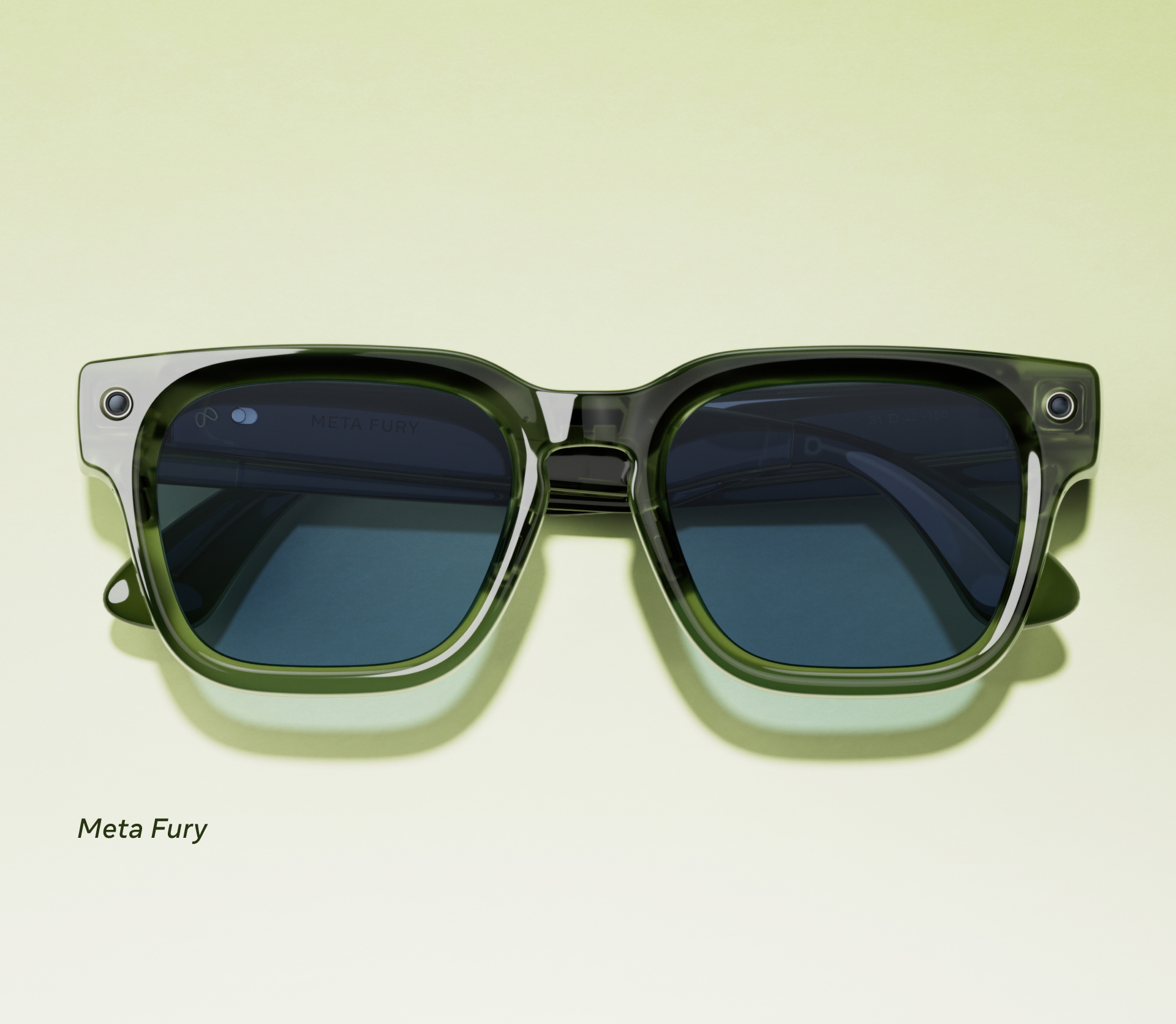
Zuckerberg says glasses can help people all day without making them look down at a phone. He also said early sales of the new Meta Glasses line were better than Meta expected. Those are company claims, but the rise in sales gives them more weight than they had a quarter ago.
How the loss reached $97 billion
Meta’s 2021 filing (opens in a new tab) gives the numbers for 2019 through 2021. Its 2022 (opens in a new tab), 2023 (opens in a new tab), 2024 (opens in a new tab), and 2025 (opens in a new tab) filings give the years that followed.
- 2019: $4.5 billion loss.
- 2020: $6.6 billion loss.
- 2021: $10.2 billion loss.
- 2022: $13.7 billion loss.
- 2023: $16.1 billion loss.
- 2024: $17.7 billion loss.
- 2025: $19.2 billion loss.
- First half of 2026: $8.6 billion loss.
Added together, those losses reach about $96.7 billion. Reality Labs brought in about $13.2 billion over the same period. That long record is why one good quarter for glasses cannot change the full picture by itself.
Still, it would be wrong to call the full $97 billion the cost of making Meta’s glasses. The total covers the company’s whole effort to build new kinds of computers beyond phones.
Meta is shifting more money to wearables
Meta’s 2025 annual filing (opens in a new tab) says it expects about 70% of Reality Labs spending in 2026 to go to things people wear. That includes today’s AI glasses and future AR glasses like Orion, while the other 30% is set to go to VR and Horizon.
For a rough sense of scale, Reality Labs spent $21.4 billion in 2025. Seventy percent of that would be about $15 billion. That is only a comparison, not Meta’s exact spending plan for 2026, and the company says the split can change.
What Meta still does not tell us
- How many pairs Meta sold in Q2.
- How much money came from glasses alone.
- How much profit Meta makes on each pair.
- How often people keep using the glasses after they buy them.
We cannot find a true sales count by dividing $431 million by the price of one pair. Reality Labs mixes glasses, headsets, software, and other products, while frames, lenses, and prices also vary.
The Q2 results give Meta one more reason to keep making this bet. AI glasses are now strong enough to lift Reality Labs while Quest sales slow, and new products could add to that growth.
Meta says it is building several next-generation headsets (opens in a new tab). Reports point to a gaming-focused Quest successor and a lighter headset called Phoenix (opens in a new tab). Another report says Meta is working on a second Meta Ray-Ban Display called Hypernova 2 (opens in a new tab). Meta has not announced those products, so the names and timing may change.
Meta says it will share more about its glasses at Connect on September 23.
More from Glasses & Headsets.
Browse all stories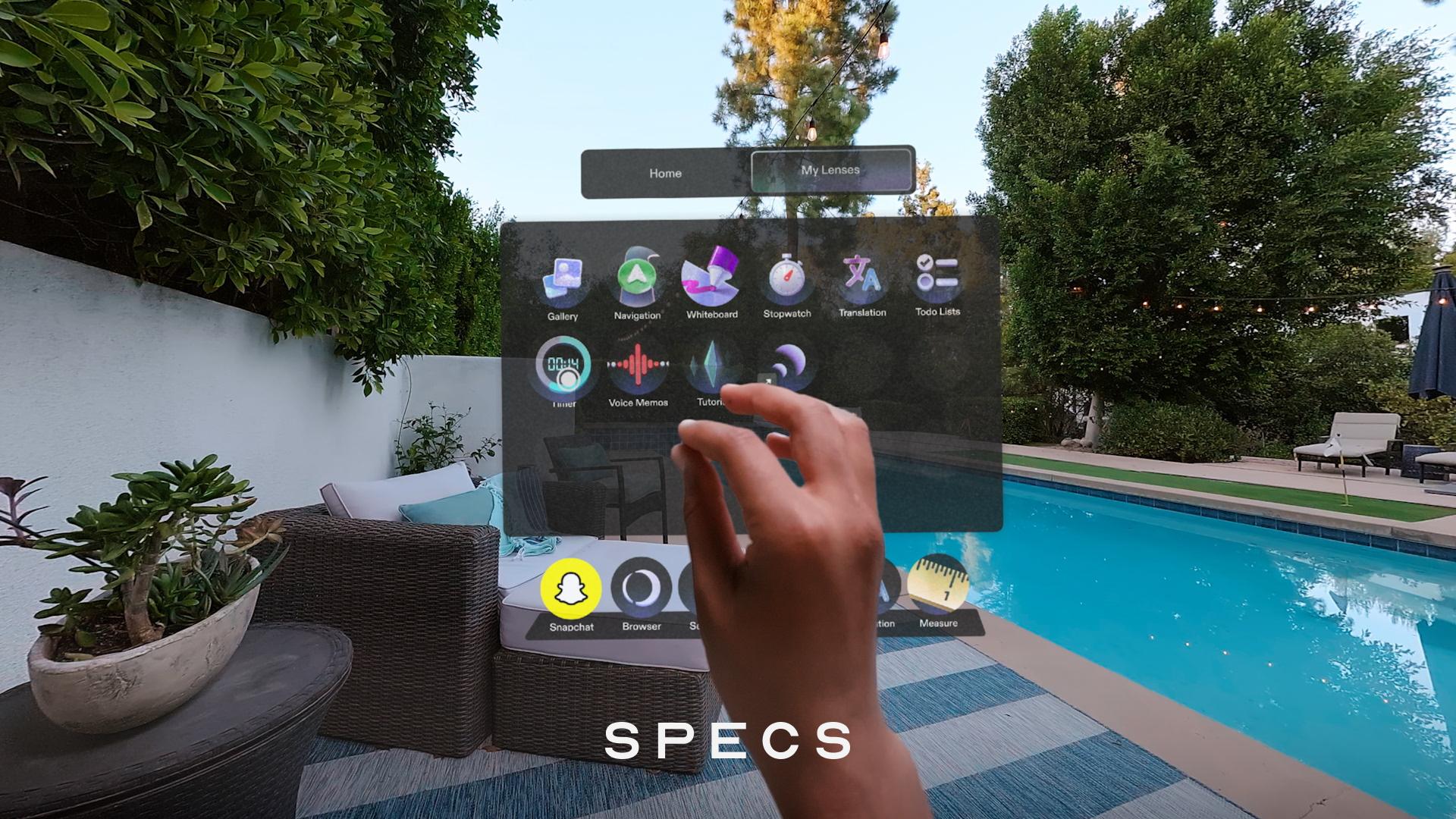
Snap SPECS · 6 min read
Everything Snap Revealed About SPECS at Its September Launch
Shared AR games, everyday tools, a cellular case, and SPECS Intelligence give a clearer picture of the glasses, with an AI preview you can try now.
GOLF+ · 2 min read
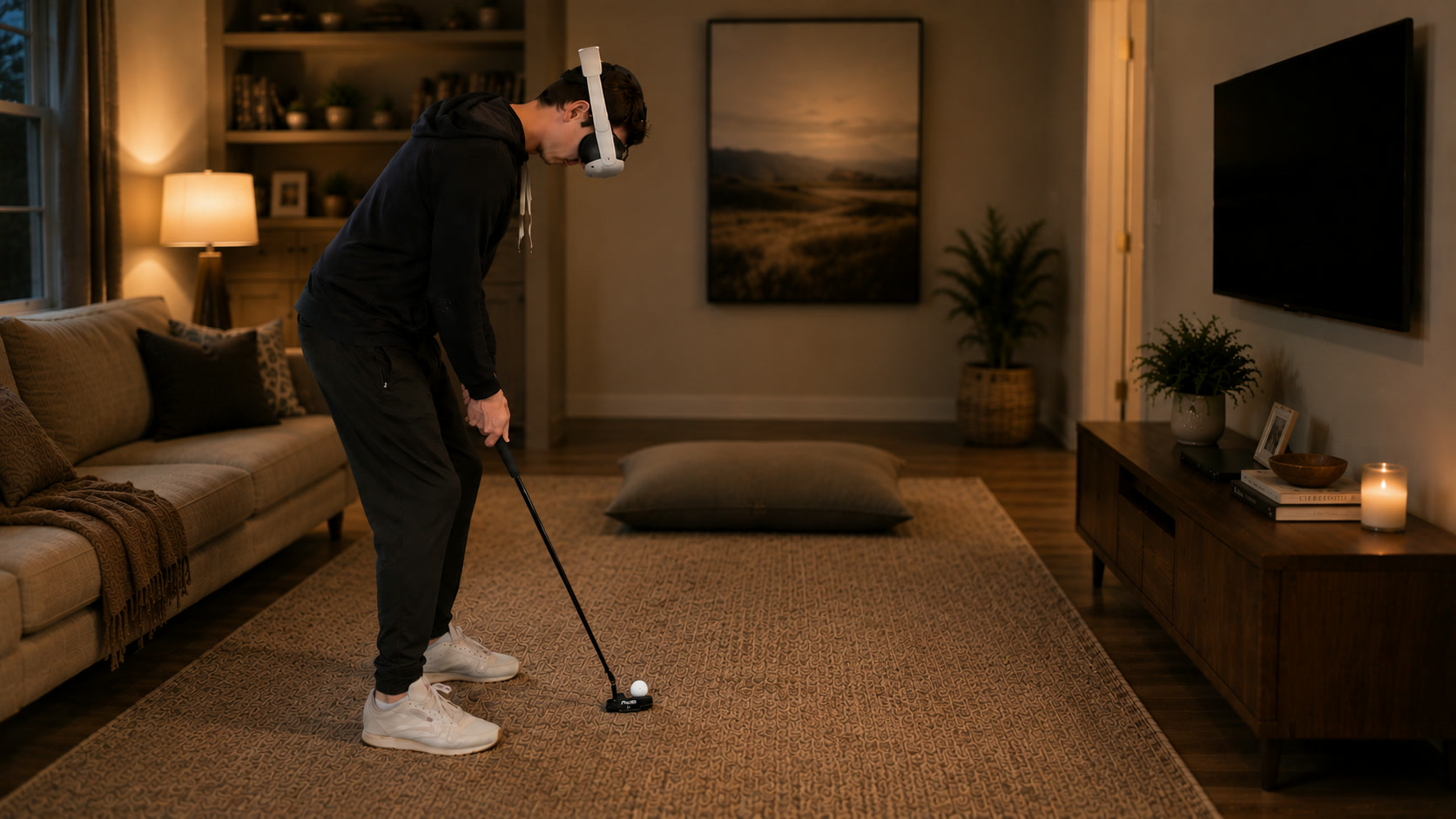
GOLF+ Now Lets You Putt With a Real Club and Ball on Quest
Immersive Putting brings virtual greens into your room, using the speed and direction of a real ball to simulate where your shot would go.
Steam Frame · 3 min read
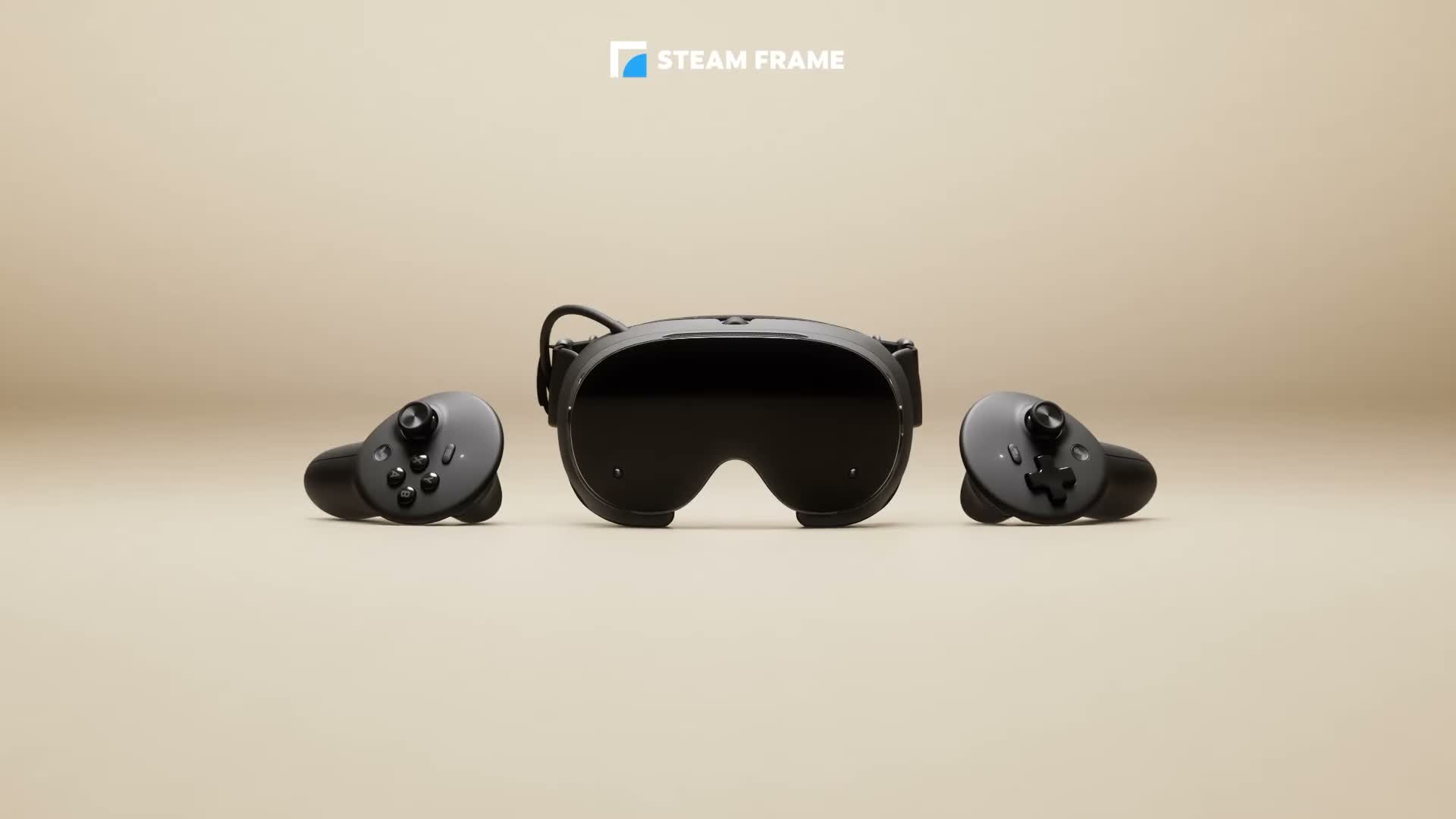
Valve Opens Sign-Ups for Its $1,059 Steam Frame VR Headset
The wireless headset streams PC games and runs supported titles on its own. A randomized reservation system decides who gets the first chance to buy.