SpaceX and Tesla Plan a 100-Million-Square-Foot AI Chip Factory
Terafab would put logic, memory, packaging, and testing under one Texas roof to feed Optimus robots, Cybercabs, and computers in orbit.
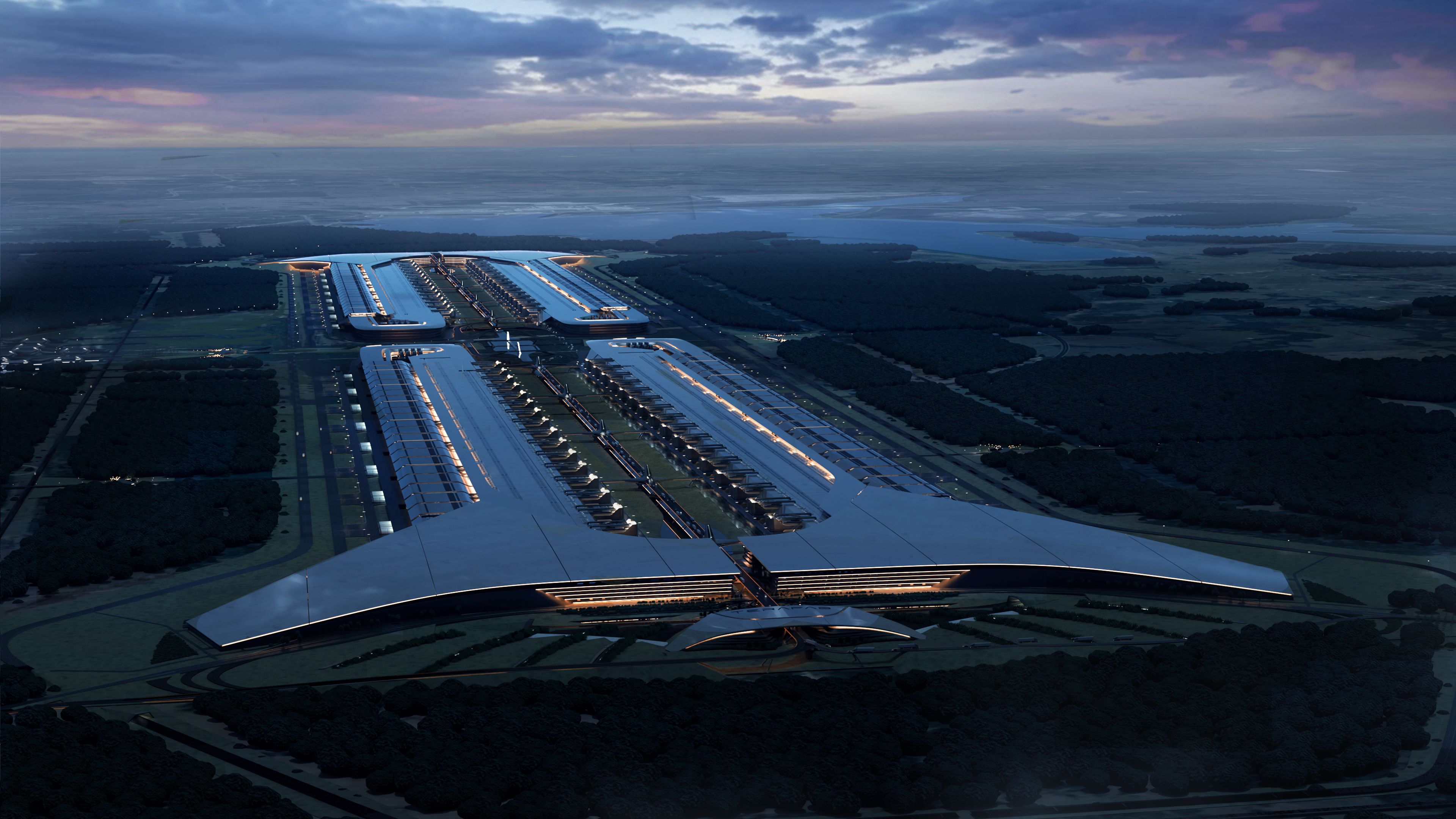
SpaceX and Tesla plan to build a 100-million-square-foot semiconductor complex in Grimes County, Texas, for the chips that could power robots, self-driving vehicles, and computers in orbit.
Called Terafab, the project would bring logic, memory, advanced packaging, and testing into one enormous campus. Those are the layers that turn raw silicon into complete processors ready to run AI.
SpaceX announced the location on August 6 and said foundations are now being built. Its 53-second video moves through a computer-generated campus and ends on an aerial rendering of four long factory buildings.
The factory connects robots, cars, and space
SpaceX says Terafab will make chips tuned for edge computing and inference. In plain language, those chips would help a machine use a trained AI model to understand sensor data and decide what to do without sending every task to a distant server.
That makes the factory part of the physical AI stack. SpaceX names Tesla’s Optimus robots and self-driving Cybercabs as planned customers. It also says higher-power chips would run its proposed data centers in space.
The Terafab project site (opens in a new tab) sets a long-term target of producing one terawatt of compute hardware each year. SpaceX also claims its combined demand with Tesla will exceed one terawatt, far above what today’s suppliers can provide.
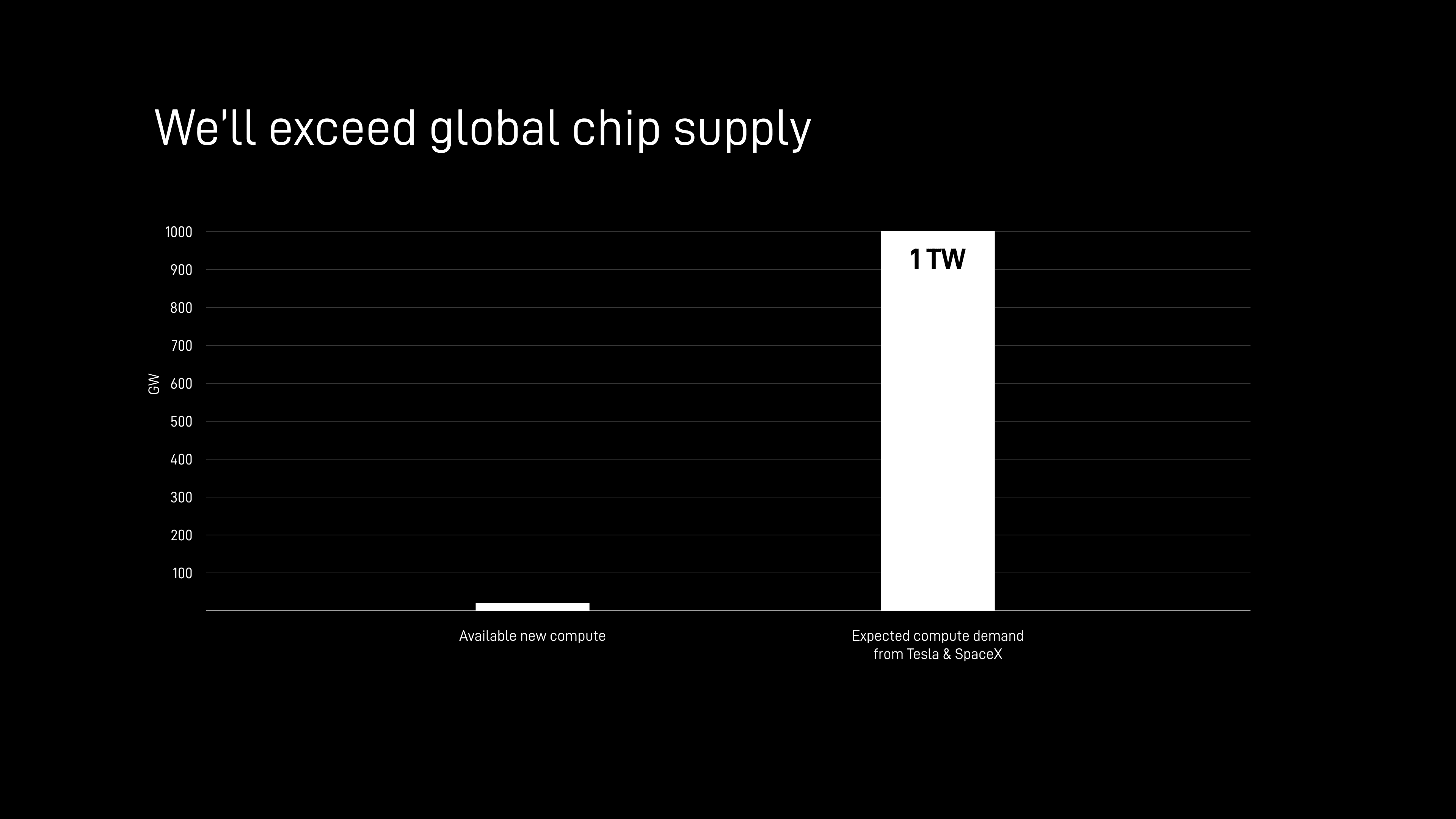
A terawatt normally measures power, not a number of chips. The companies have not explained the exact processors, manufacturing process, or output behind that figure. SpaceX’s prospectus says Intel joined the project in April, but it also says individual projects still require separate agreements covering timelines, milestones, and spending.
What 100 million square feet looks like
SpaceX compares Terafab’s planned manufacturing space with Tesla’s 10-million-square-foot Texas Gigafactory. By that measure, Terafab would be ten times larger. Two visual comparisons make that difficult number easier to see.
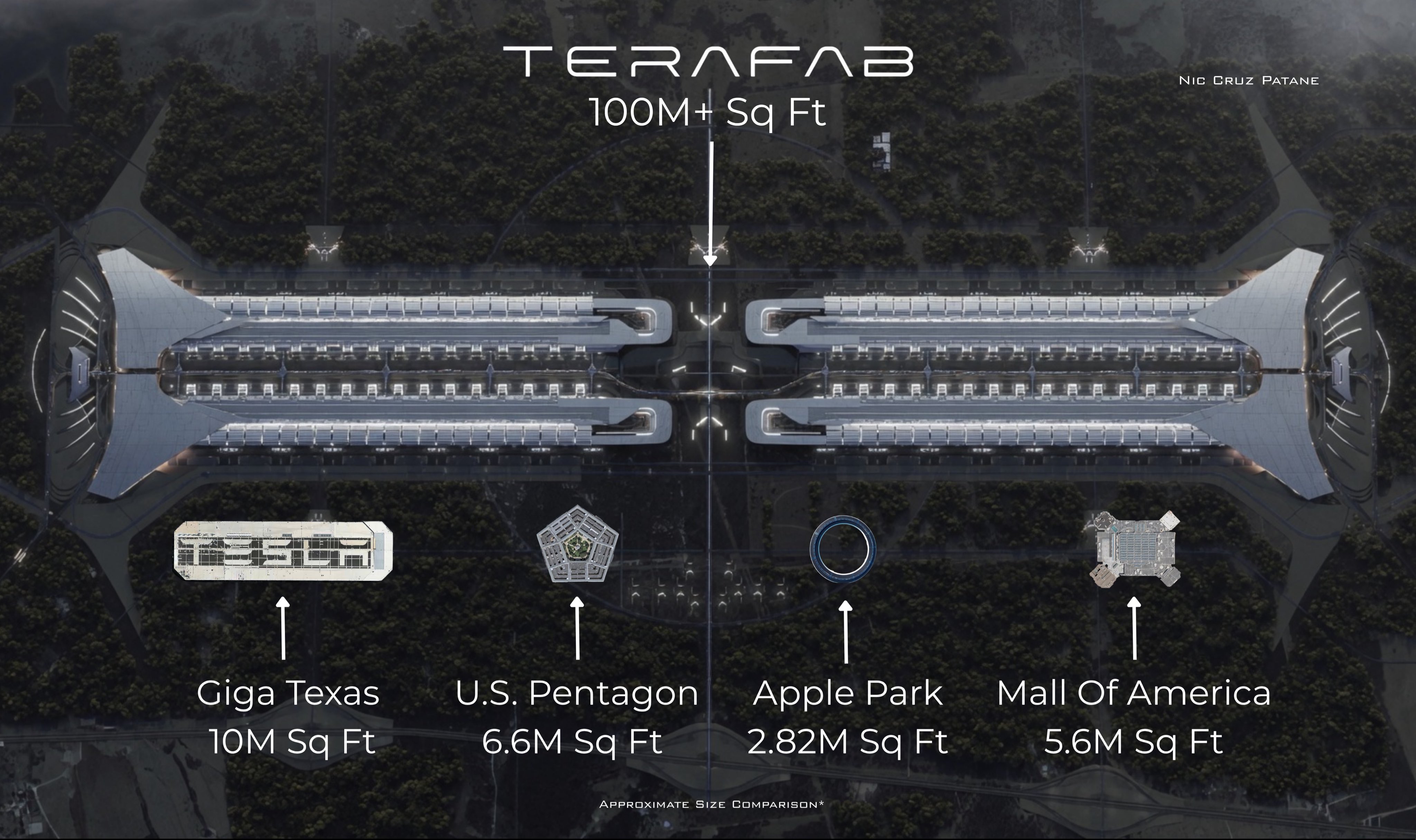
Nic Cruz Patane’s size comparison on X (opens in a new tab) places four familiar megastructures beneath the proposed factory.
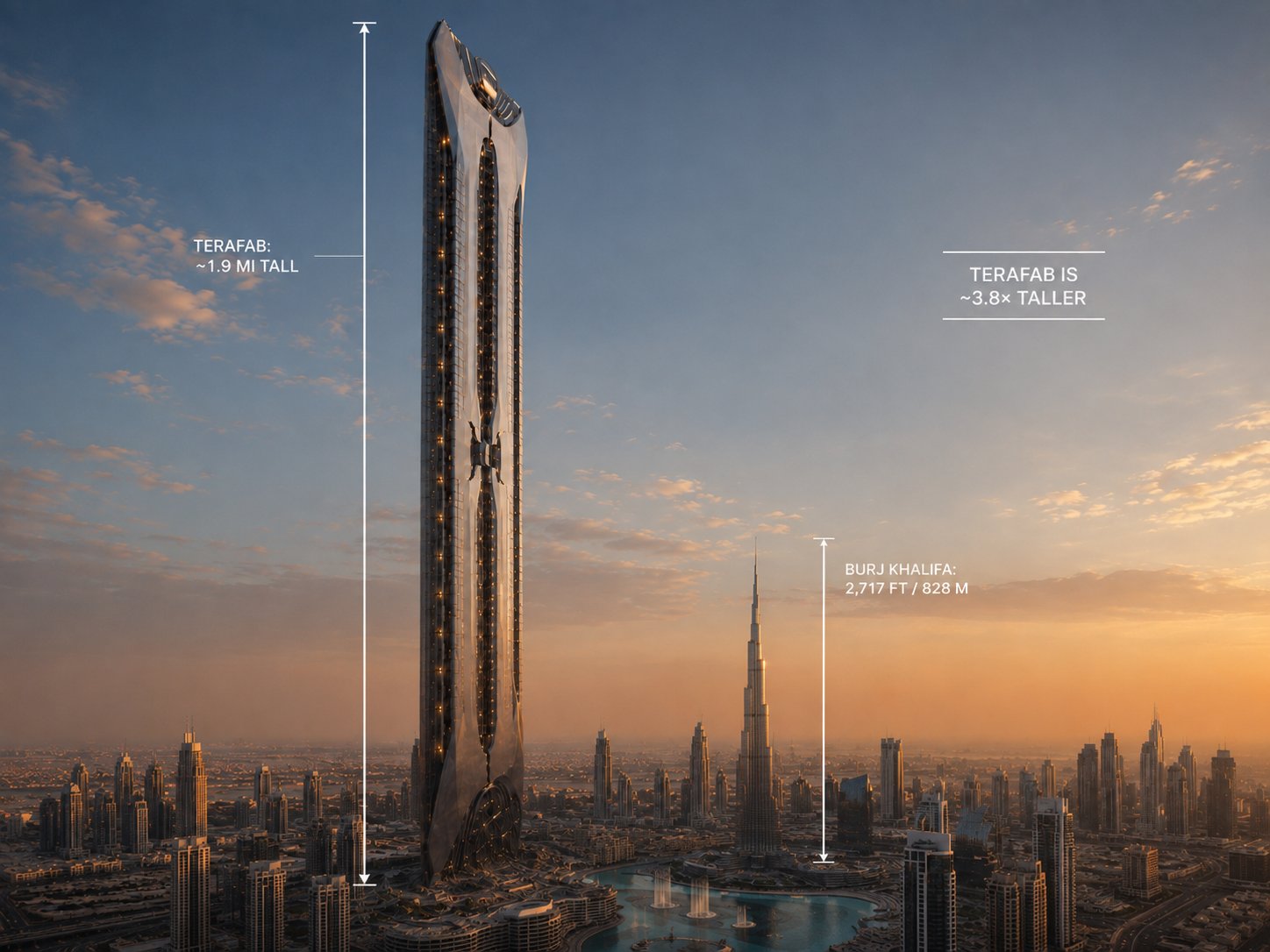
Dr Singularity shared this vertical comparison on X (opens in a new tab).
Most of Terafab still exists on paper
SpaceX estimates that the first phase will require about $16.8 billion from SpaceX and Tesla, with later expansion pushing the total higher. It says the site will use water from the Gibbons Creek Reservoir instead of local groundwater and will include wastewater treatment, reuse, and conservation systems.
The project has moved beyond a concept video. The Texas Comptroller lists Terafab applications (opens in a new tab) for tax incentives, and Grimes County lists executed agreements with SpaceX. But the public announcement does not give a production start date.
The next proof will be a construction schedule, a named chip process, and a working production line. That is when this giant Texas render can begin turning into the silicon behind robots, Cybercabs, and SpaceX’s plans for computing beyond Earth.
More from Robotics.
Browse all stories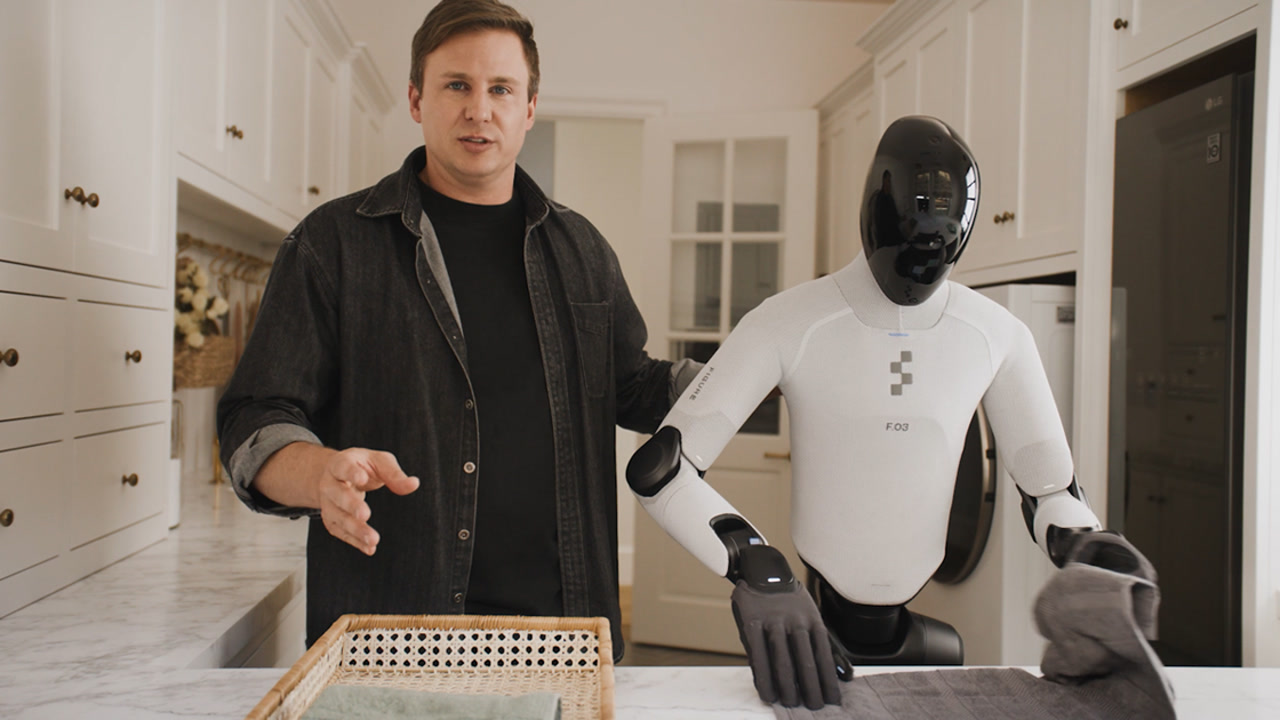
Figure Helix · 2 min read
Figure Introduces Helix 2.5, Bringing LLM-Style Scaling to Robot Learning
Figure’s robots tidied rooms, folded towels, and made beds across 30 homes without training in those spaces.
Autonomous Driving · 2 min read
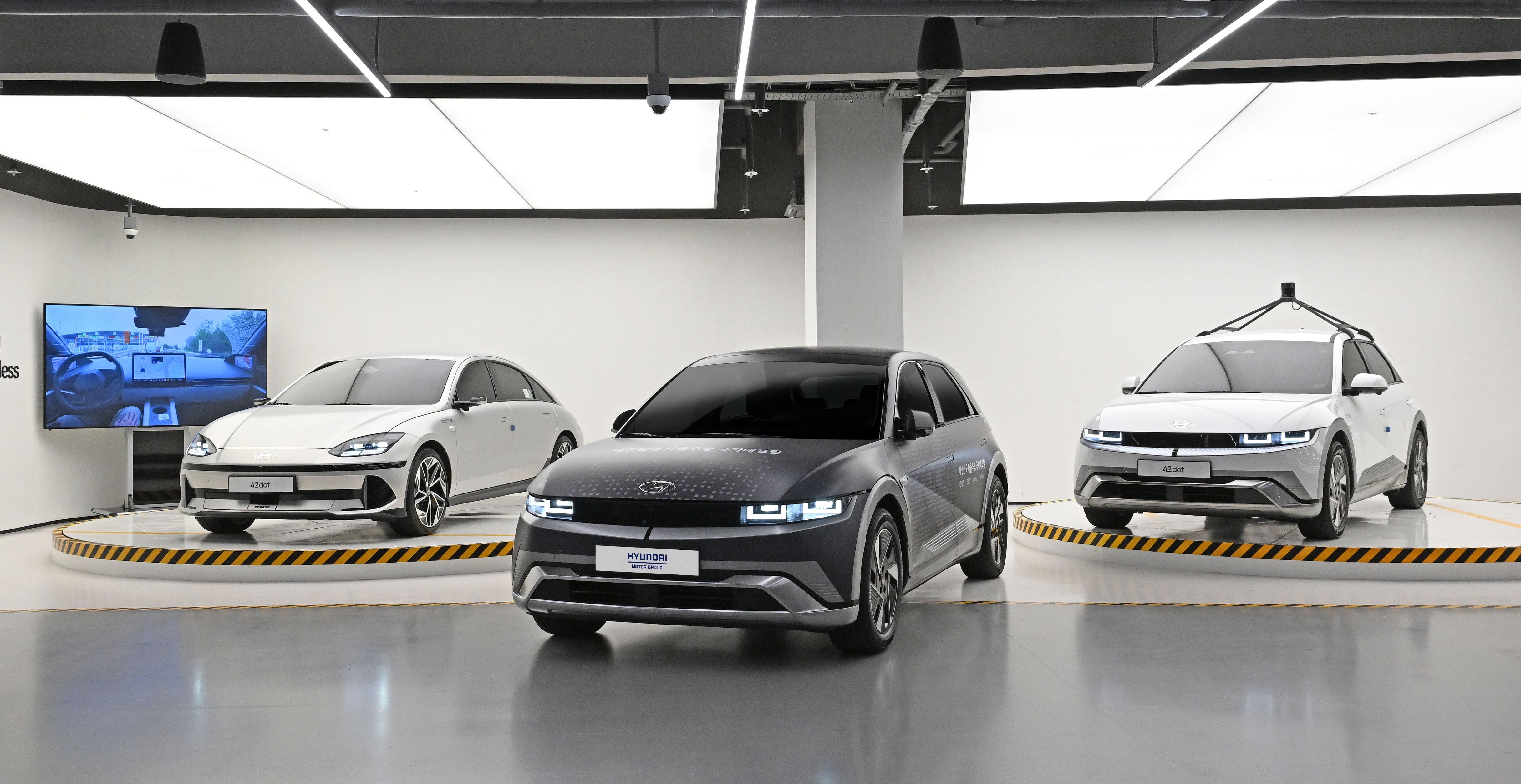
Hyundai Recreates Real Roads in 3D to Test Its Driving AI
Hyundai uses Gaussian splatting to replay difficult driving scenarios in simulation, alongside plans to bring NVIDIA-powered driver assistance to production cars in 2028.

Robotaxis · 2 min read
Pony.ai and Verne Begin Driverless Robotaxi Test Rides in Zagreb
Invited passengers can travel a 22-kilometer route to Zagreb’s airport with no onboard driver, bringing Verne’s service closer to fully driverless operation.