
XREAL AURA Android XR Glasses Pass 10,000 Reservations
AURA pairs a 70-degree see-through display and hand tracking with a pocket computer, while Google Play and Gemini supply its software.

XREAL says AURA, its forthcoming Android XR glasses, has passed 10,000 global reservations ahead of a fall 2026 launch.
The milestone gives XREAL a sizable pool of early adopters ahead of launch. Reservations are refundable, with buyers set to confirm their purchases after XREAL announces the final price, configurations, and shipping details.
Hardware
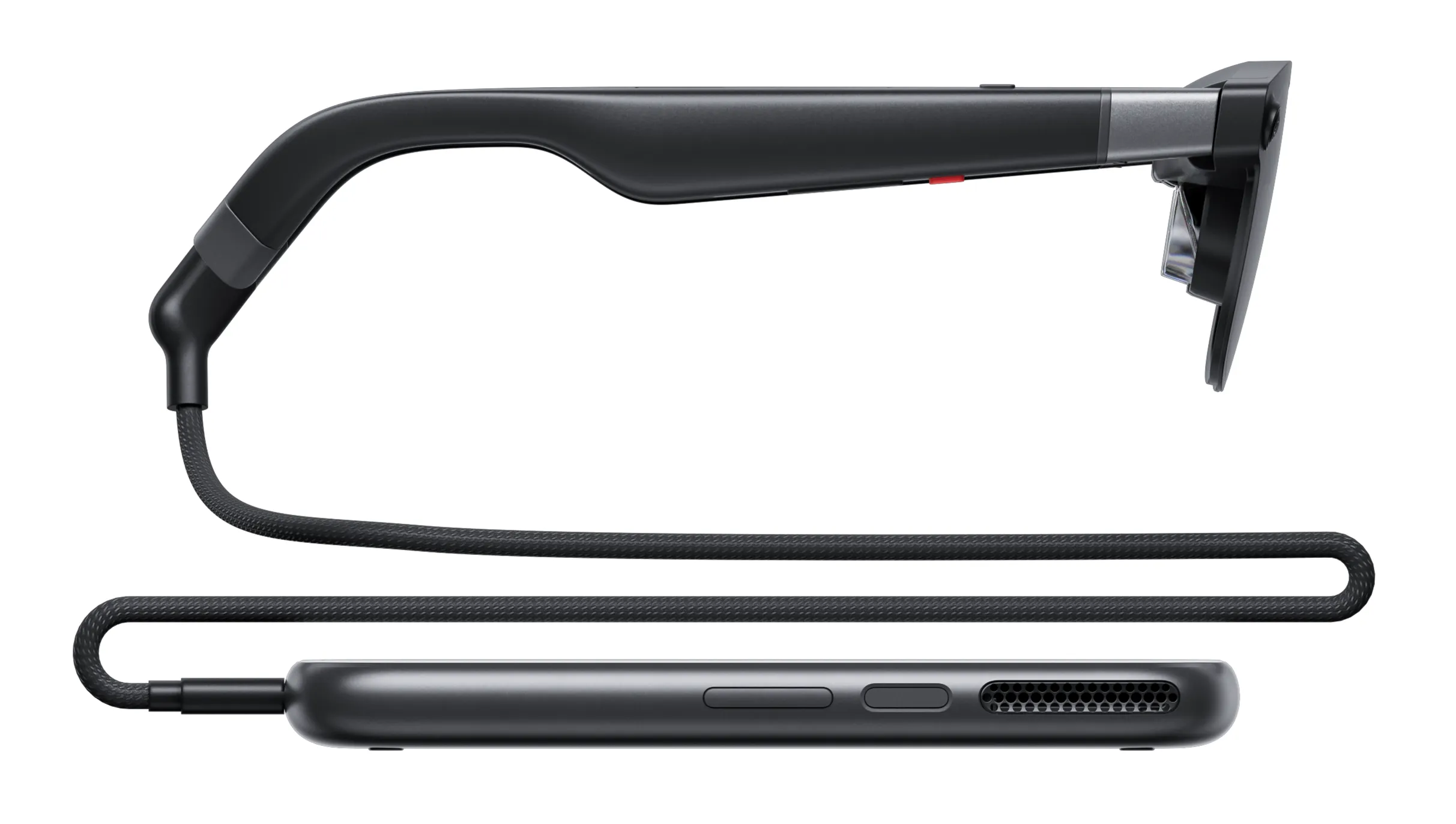
AURA places a 70-degree optical see-through display in front of the wearer's view. XREAL lists Sony micro-OLED panels with 1,920 × 1,200 pixels per eye and refresh rates up to 120 Hz.
Two tracking cameras support six degrees of freedom, or 6DoF. That lets digital windows stay fixed in the room as the wearer moves around them. The glasses also include hand tracking and a high-resolution camera with a privacy light for Android XR and Gemini features that can understand the surrounding view with permission.
XREAL keeps much of the computing in a pocket-size unit connected by cable. Qualcomm's Snapdragon Reality Elite platform handles Android XR and AI workloads there, while an X1S spatial coprocessor in the glasses manages display and sensor work closer to the wearer.
Software
AURA is the first announced pair of optical see-through glasses built for Google's Android XR operating system. XREAL says Google Play will bring familiar apps including Maps, YouTube, Chrome, Photos, and Gemini to the device, alongside more than 100 apps made for XR.
Gemini can respond to voice, on-screen content, and the view through AURA's camera when the wearer grants access. That could let the assistant open apps, explain something in view, or add context while a person moves through a place.
Launch Details
XREAL expects AURA to launch in fall 2026 across the United States, United Kingdom, much of Europe, Japan, and South Korea. The company says the base model will cost no more than $1,500 before tax, but it has not announced the final price or exact shipping date.
Road to VR reports that an early $99 reservation offer, which included a $199 launch credit, has sold out. XREAL's official page now offers a $199 priority deposit that is applied to the purchase and remains fully refundable before final confirmation.
The next test will come at launch, when XREAL reveals the finished configurations, regional timing, and how closely production AURA hardware matches the demonstrations shown so far.
More from Glasses & Headsets.
Browse all stories
VR gaming · 2 min read
Half-Life Alyx Runs on Vision Pro Without a Gaming PC
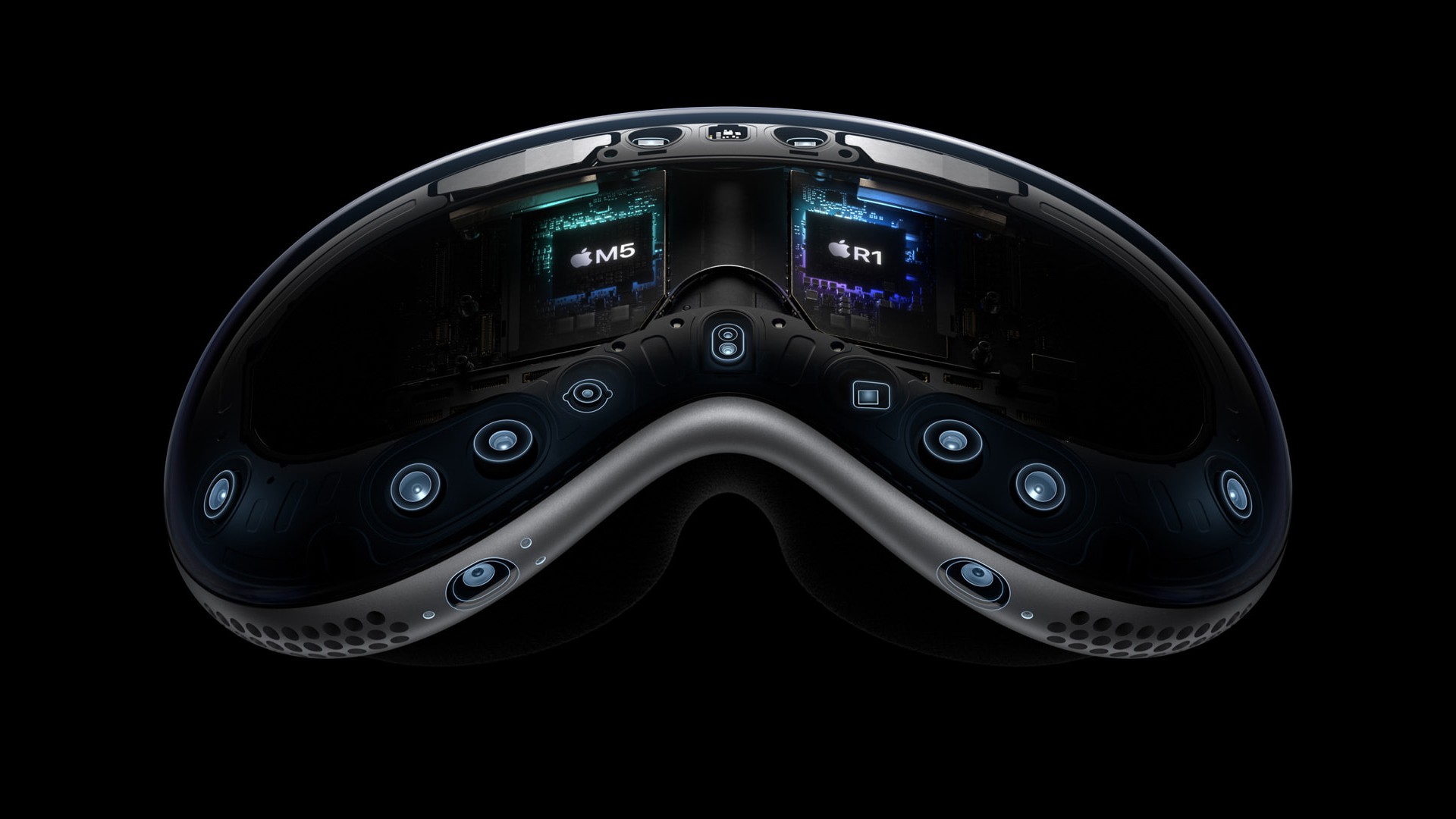
Udi Wertheimer used Valve’s ARM port, Klepton, and Claude to get Alyx running locally on his M5 headset at roughly 3K per eye.
Vision Pro · 2 min read
Apple Is Exploring Four Vision Pro Redesigns, Gurman Reports
The N224 project could move computing hardware off the headset to reduce weight, but Apple reportedly has yet to settle on a design.

Meta Connect · 4 min read
Meta Reveals 100-Gram VR Glasses With Eye Tracking
Meta VR Glasses will run Quest games and show 3D movies on micro-OLED displays, with a separate puck keeping the battery and processor off your face.