
XREAL Aura Launches at $1,099, $180 Under Its Preorder Price
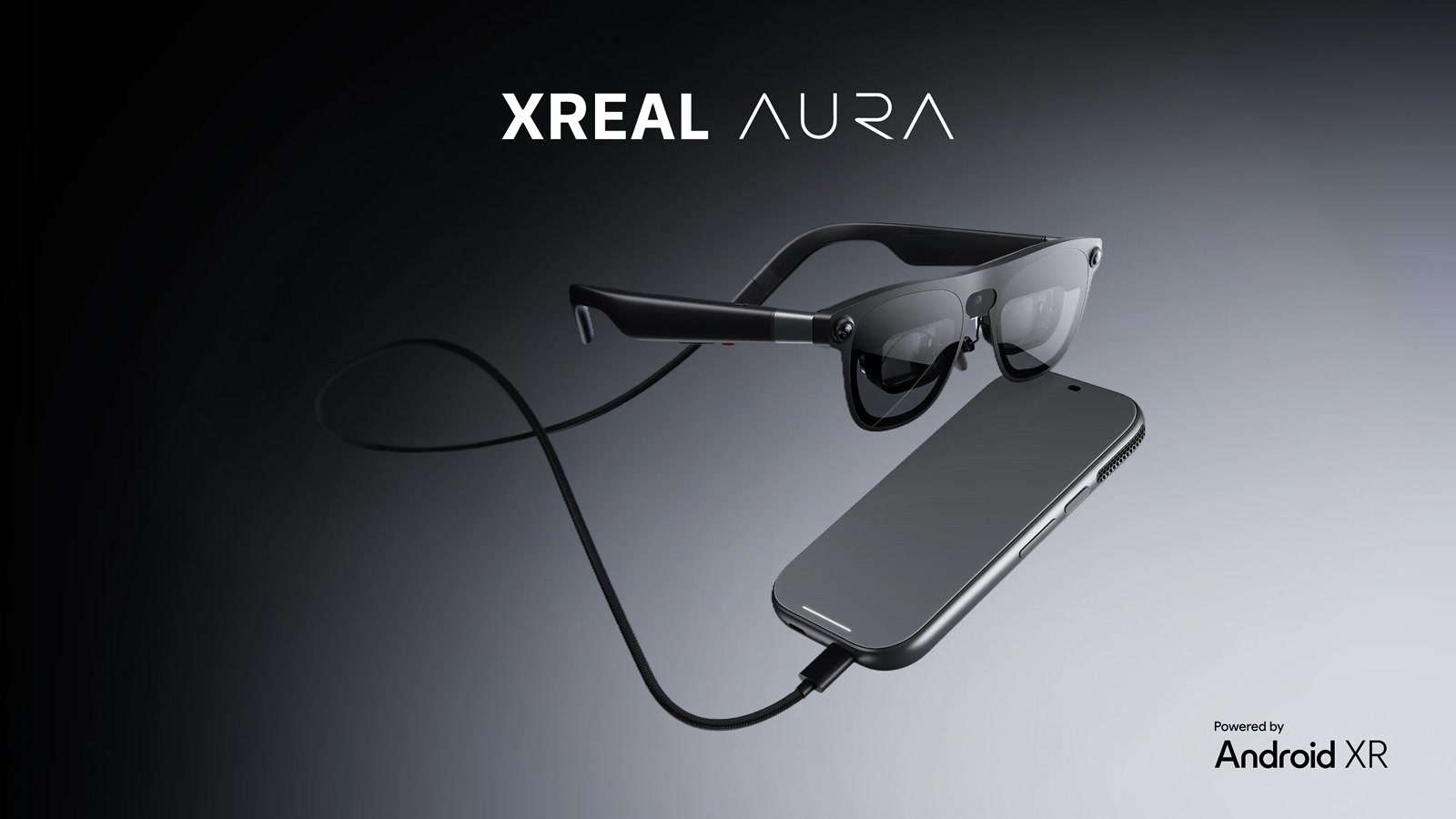
The first wired glasses running Android XR weigh about 95 grams and bring Gemini and Android apps into your space. Shipments are expected in mid-November.

XREAL Aura (opens in a new tab) is available to order. Google and XREAL launched the glasses on October 28 at Google’s Android Developer Summit.
It’s the first pair of wired glasses to run Android XR, Google’s operating system for headsets and glasses.
The starting price has dropped to $1,099 through December. That’s $180 less than the preorder price announced earlier this month (opens in a new tab).
What it is
Aura is a pair of see-through glasses. You see the room directly through the lenses, and your apps float in front of you.
The glasses weigh about 95 grams. A cable connects them to a 265-gram compute pack that holds the battery and Qualcomm’s Snapdragon Reality Elite chip. That keeps most of the weight off your face.
Sony micro-OLED displays put 1920 × 1200 pixels in front of each eye, at up to 120Hz. The field of view is 70 degrees.
What you can do with it
You can open Android apps as windows around you. Plug a compatible laptop or handheld gaming device into the pack’s USB-C video port, and its screen appears beside them.
Gemini, Google’s AI assistant, can help with a game or highlight things in the room when you share your view.
XREAL says Aura launches with more than 150 apps and experiences made for XR, alongside regular Google Play apps. New immersive films include Nevatars, co-directed by Andy Serkis, and Galapagos: The Last Eden.
With NBA League Pass, you can watch three games at once or put a live game on a virtual tabletop.
What to know before buying
The glasses need their wired compute pack, but you don’t need a separate phone or PC to run Android apps.
You control Aura with your hands, voice, or the pack’s trackpad. It supports Bluetooth gamepads, but there’s no eye tracking (opens in a new tab).
Some features are still on the way. Google Photos’ spatial gallery and games such as Fallout Factions (opens in a new tab) are coming later.
Price and availability
- 12GB of memory with 256GB of storage is $1,099, normally $1,279.
- 16GB of memory with 512GB of storage is $1,299, normally $1,499.
Both launch prices last through December.
Customers who fully paid before October 28 qualify for a refund (opens in a new tab) of the price difference. XREAL expects to start those refunds within 30 days.
Orders are open in the U.S., Canada, and South Korea through XREAL, and in the U.S. through Best Buy. Google lists November 2 for Japan. Shipping is expected to begin in mid-November.
More from Glasses & Headsets.
Browse all stories
Snap Specs · 2 min read
Robert Downey Jr. Teams Up With Snap on Specs AR Glasses
The Iron Man star will help shape new AR experiences and hardware. His first project puts the glasses to work in a series of short films.
Display glasses · 2 min read
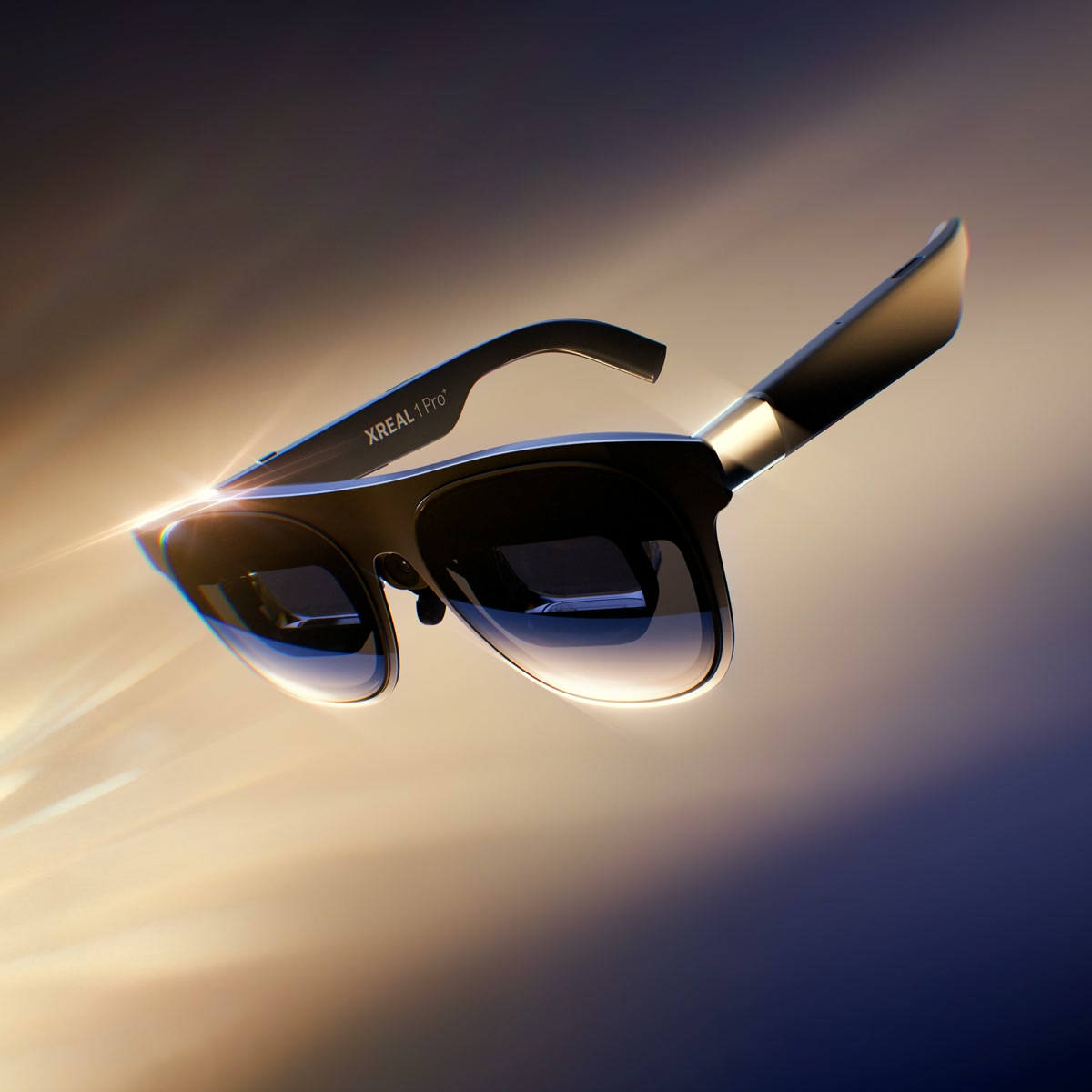
XREAL Upgrades Its Flagship AR Glasses With the New 1 Pro+
Smoother 3D, a brighter screen, and a redesigned fit arrive for $599. Existing XREAL owners will get the 3D upgrade, too.
Pimax Crystal Pro · 3 min read
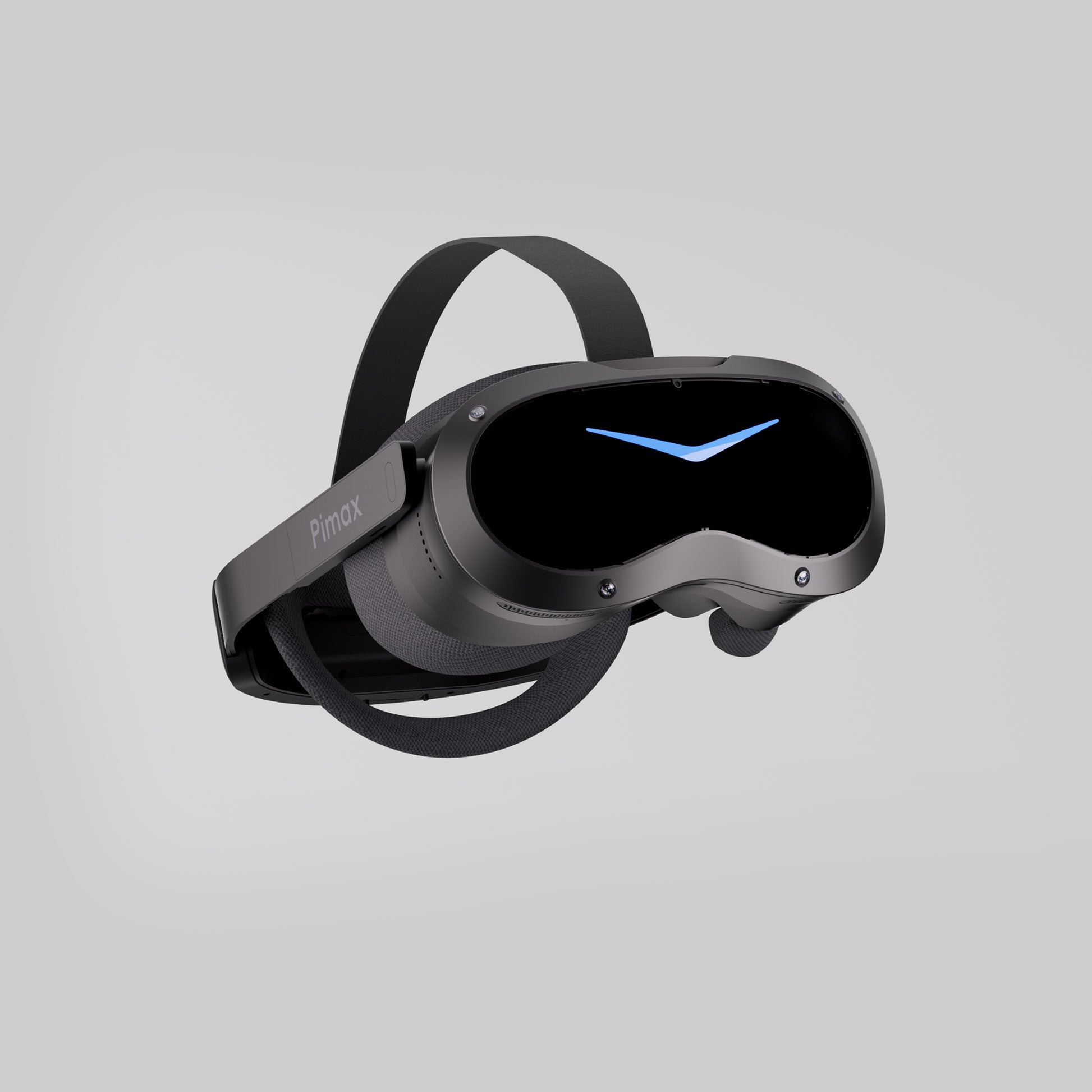
Pimax Announces Crystal Pro Wireless VR Headset
The new headset starts at $1,399, with eye tracking, Mini-LED displays, and options for wireless PC VR and mixed reality.