
RayNeo’s iO AI Glasses and GT Cinema Glasses Go on Sale
One pair puts private text in the wearer’s view, while the other turns a phone or streaming device into a wide personal screen.
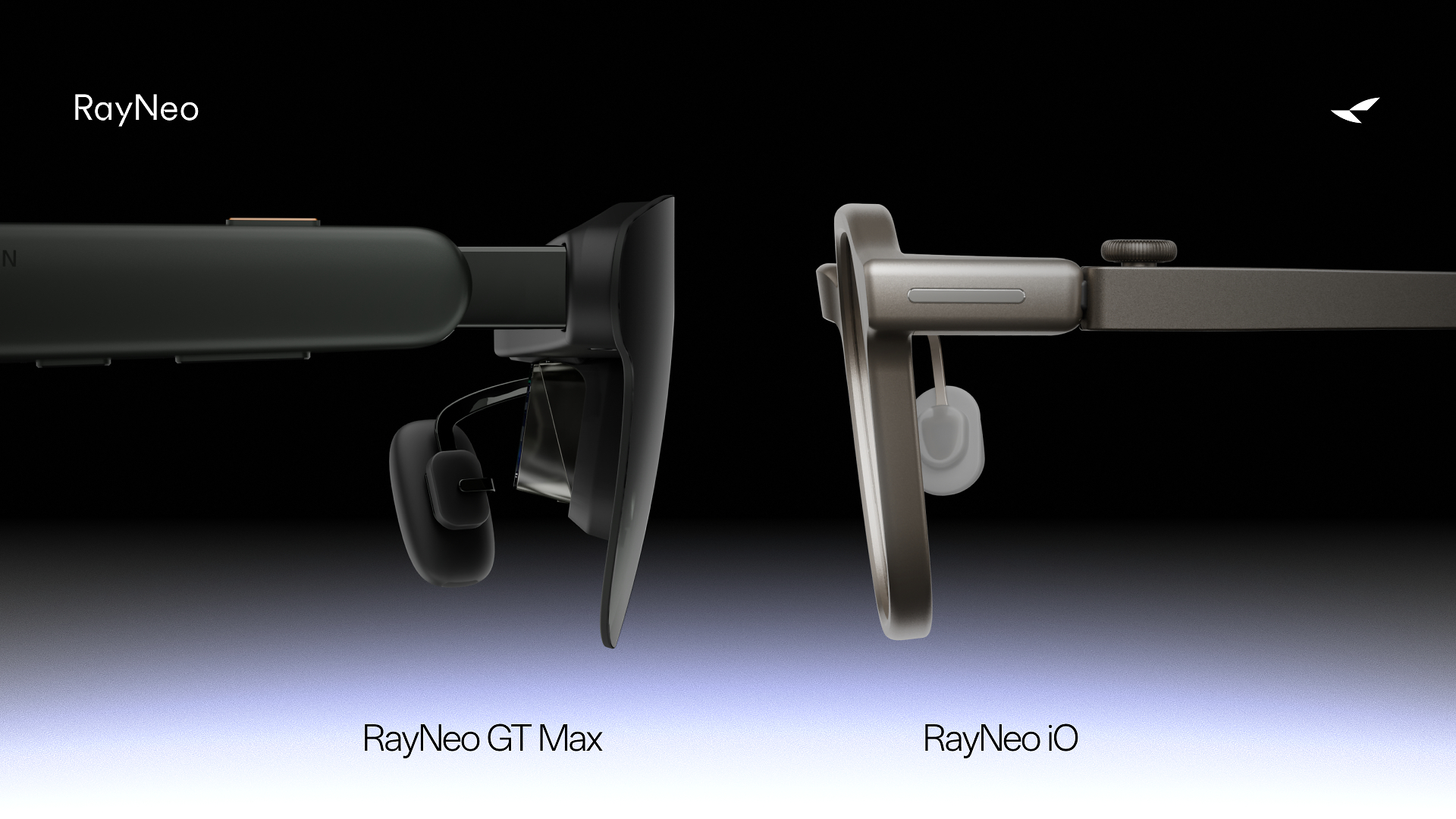
RayNeo’s iO AI glasses and GT display glasses are now on sale through RayNeo’s website and Amazon.
The two lines put very different kinds of information in front of the wearer. iO is built for short pieces of private text, while GT and GT Max act as personal screens for movies, games, and other video.
iO keeps information quiet
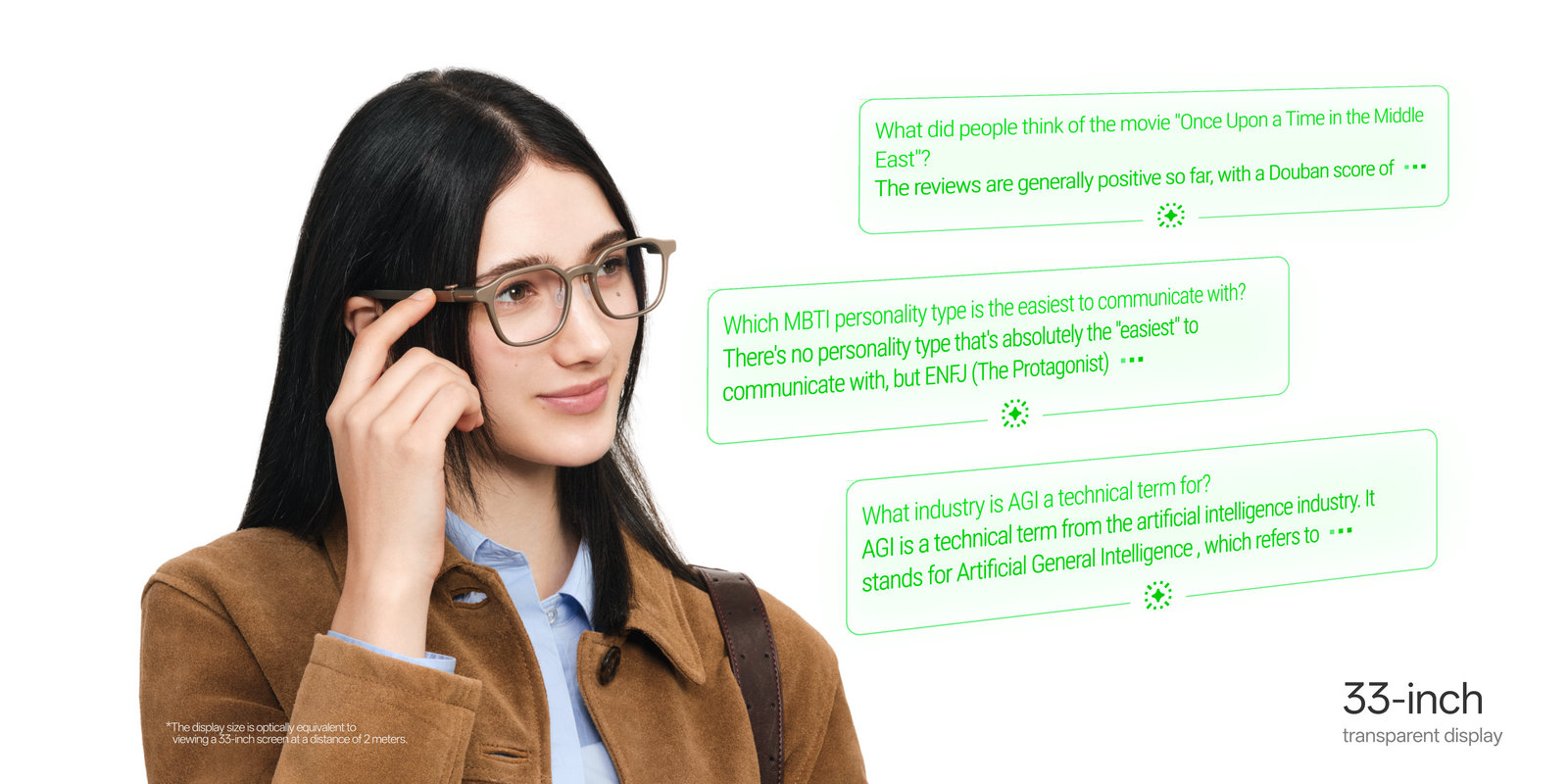
RayNeo iO starts at $449 and comes in Dune or Polar Night (opens in a new tab). The frames weigh 33 grams. A waveguide directs monochrome green text into the wearer’s view for prompts, live translation, meeting notes, and other short updates.
There are no speakers. Instead, four microphones work with a bone-conduction sensor that picks up vibrations from the wearer’s voice. RayNeo says a hardwired status light turns on whenever recording or translation is active.
That design makes iO a heads-up display rather than a pair of audio glasses. People nearby cannot see the text in the lenses, according to RayNeo, while the light gives them a visible signal when the glasses are listening for those features.
GT turns connected devices into a screen
The RayNeo GT (opens in a new tab) costs $299, while GT Max (opens in a new tab) costs $399. Both use MicroOLED displays and Bang & Olufsen audio. GT Max expands the view to 59 degrees and lets the wearer switch among three virtual screen sizes.
RayNeo also sells Pocket TV Pro (opens in a new tab) for $199. The portable Google TV player adds Dolby Vision playback for the GT line without requiring a phone as the video source.

RayNeo is demonstrating both product lines at IFA 2026 in Berlin, Hall 21A, from September 4 through 8. iO, GT, and GT Max are available now, turning the company’s new lineup into a choice between quiet information and a screen worn on the face.
More from Glasses & Headsets.
Browse all stories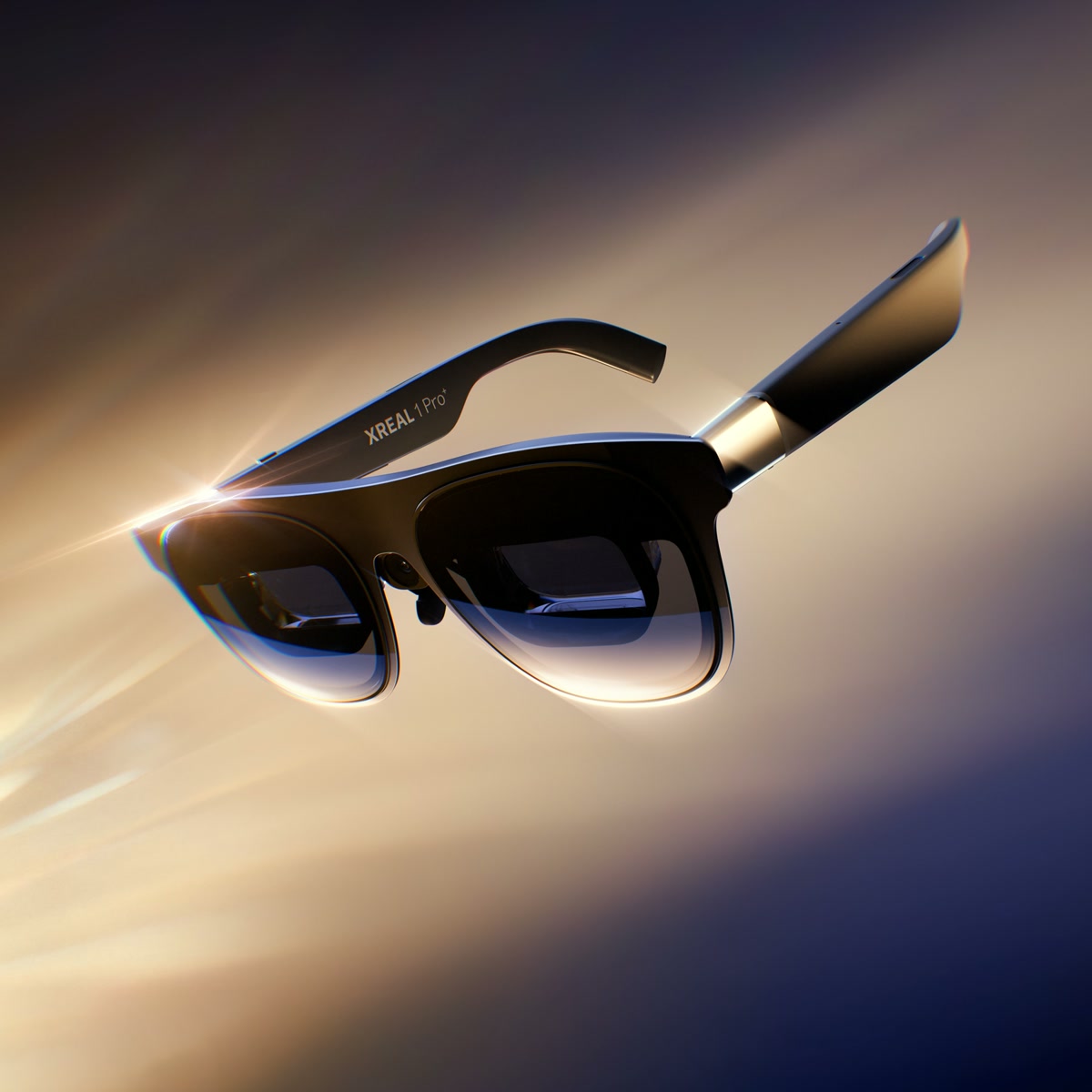
Display glasses · 2 min read
XREAL Upgrades Its Flagship AR Glasses With the New 1 Pro+
Smoother 3D, a brighter screen, and a redesigned fit arrive for $599. Existing XREAL owners will get the 3D upgrade, too.
Pimax Crystal Pro · 3 min read
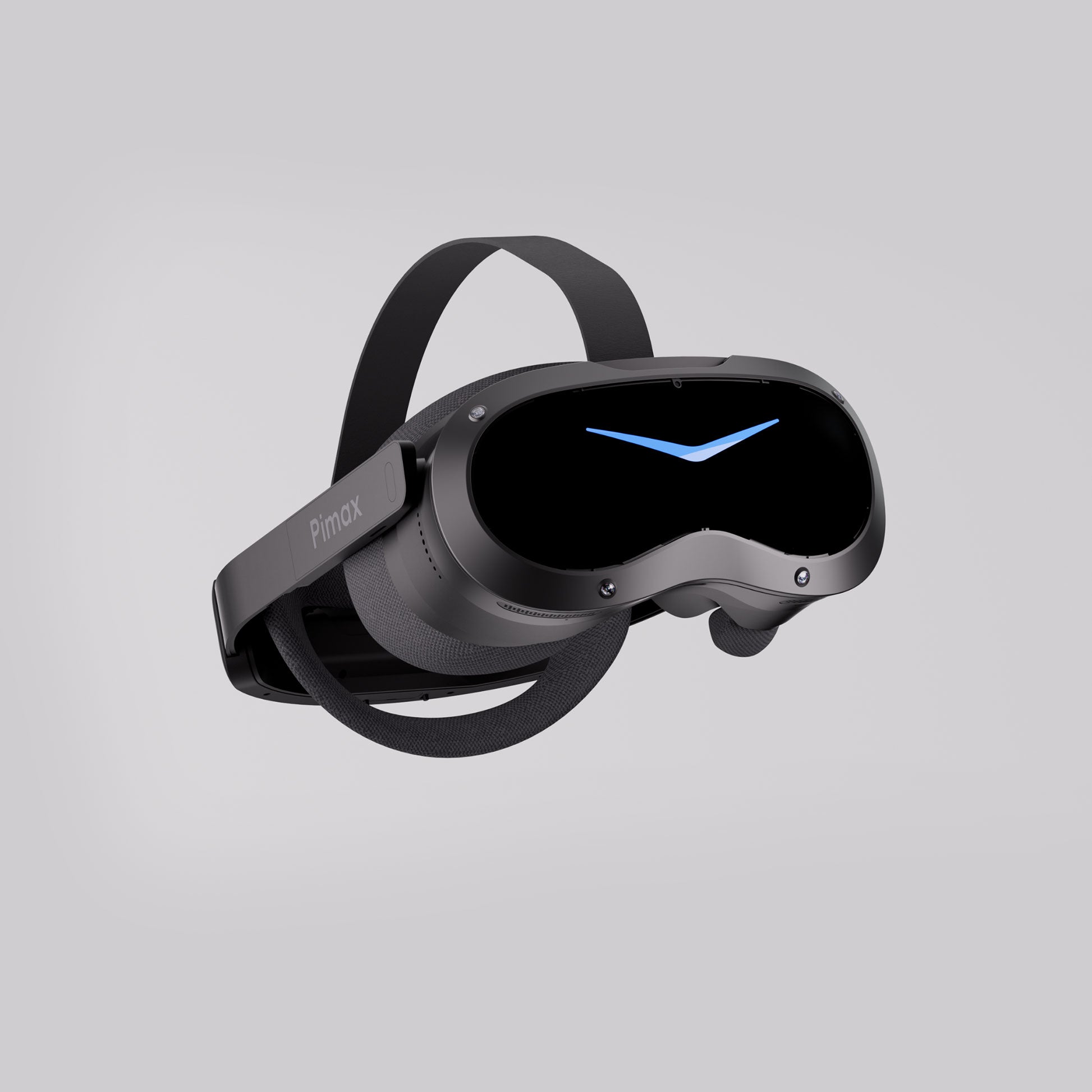
Pimax Announces Crystal Pro Wireless VR Headset
The new headset starts at $1,399, with eye tracking, Mini-LED displays, and options for wireless PC VR and mixed reality.
Meta VR Glasses · 1 min read
Preview Meta VR Glasses’ Field of View on Your Quest 3
Duuro Plays’ free simulator puts the comparison inside your headset. We tried it on Quest 3 and recorded a look at how it works.