
Everything Snap Revealed About SPECS at Its September Launch
Shared AR games, everyday tools, a cellular case, and SPECS Intelligence give a clearer picture of the glasses, with an AI preview you can try now.
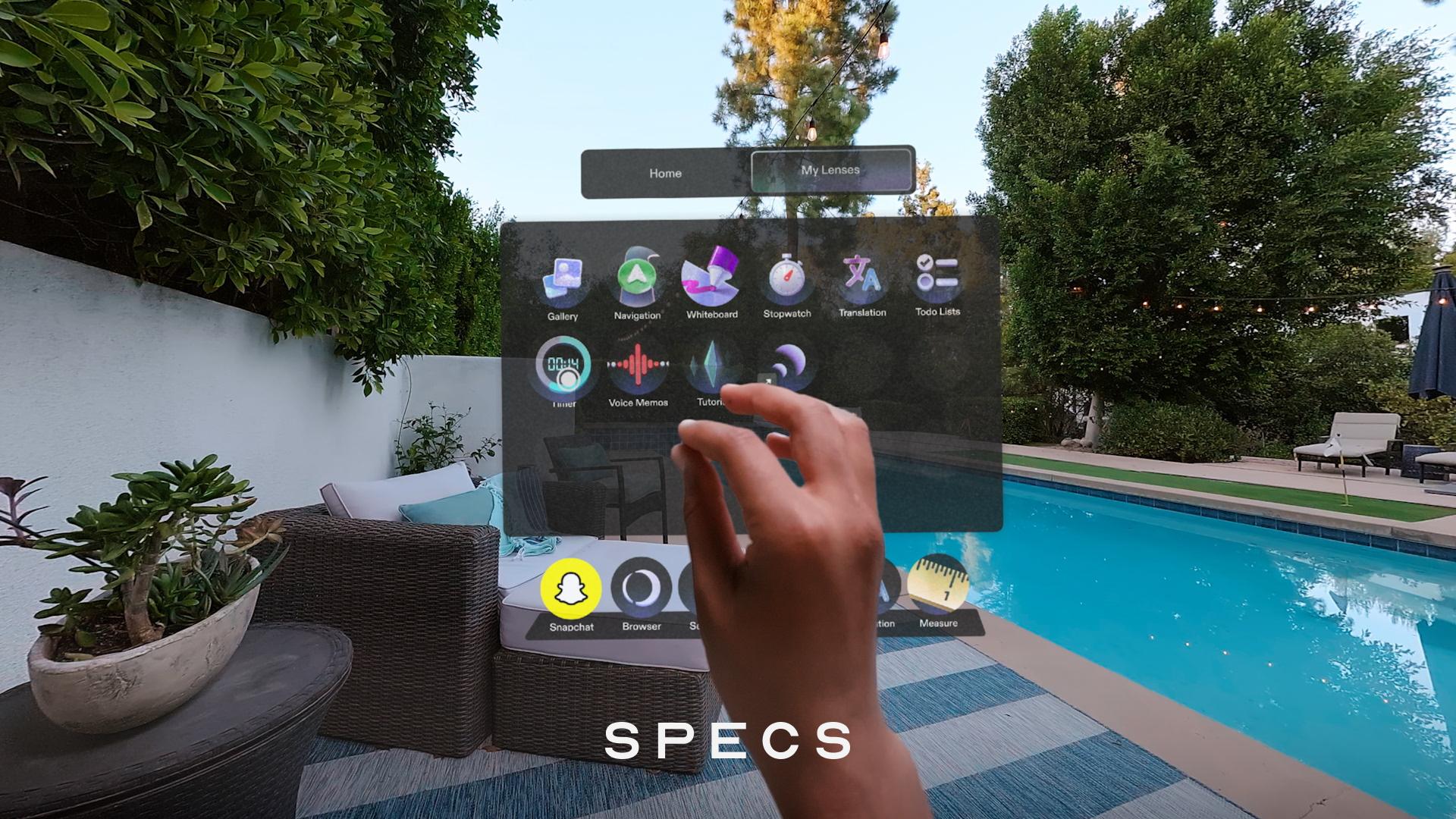
Snap’s September 16 SPECS showcase (opens in a new tab) filled in the software around its AR glasses, from shared games and practical tools to a new AI service, workplace partnerships, and a cellular charging case.
The glasses were already unveiled in June. This event made the use cases clearer, while introducing an AI service people can start exploring before they own the hardware. Here are the announcements, the useful distinctions, and what buyers can try next.
SPECS Intelligence Starts Before You Buy the Glasses
SPECS Intelligence (opens in a new tab) is designed to connect information from apps you choose, then offer help without waiting for a prompt. Snap gives examples such as preparing for meetings and pulling travel plans together. Corners organize parts of your life, while Goals track longer-term priorities.
The rollout has two distinct parts. U.S. adults 18 and older can try an iPhone preview using Gmail and Google Calendar. That preview provides insights about time and attention; it does not include the broader service’s anticipatory suggestions or actions. The fuller Mac experience is invitation-only, with a waitlist open.
Snap says connected personal content will not train its AI models or serve personalized ads, and the service is designed to prevent Snap personnel from accessing that content. Processing uses both the device and secure cloud infrastructure.
That makes the AI service a separate entry point into SPECS. Someone can begin on a phone or Mac, with the glasses intended to bring that personal context into view later.
Games You Share in the Same Room
Snap’s Connected Lenses (opens in a new tab) put shared digital experiences in the same physical space. The launch lineup includes Dominoes with Jimmy Butler, chess, and table tennis.
Resolution Games’ Core Boom uses the room and its real obstacles for an AR firefight. Its Tabletop Classics brings games including Battleship, Chess, and Solitaire into shared space. SmashAR supports matches against another player or an AI opponent.
These experiences use the room as part of the game. Playing together is a different reason to wear the glasses from watching something alone on a private screen, although each participant in a shared SPECS experience needs the hardware.
A Private Screen, Plus Sports and Entertainment
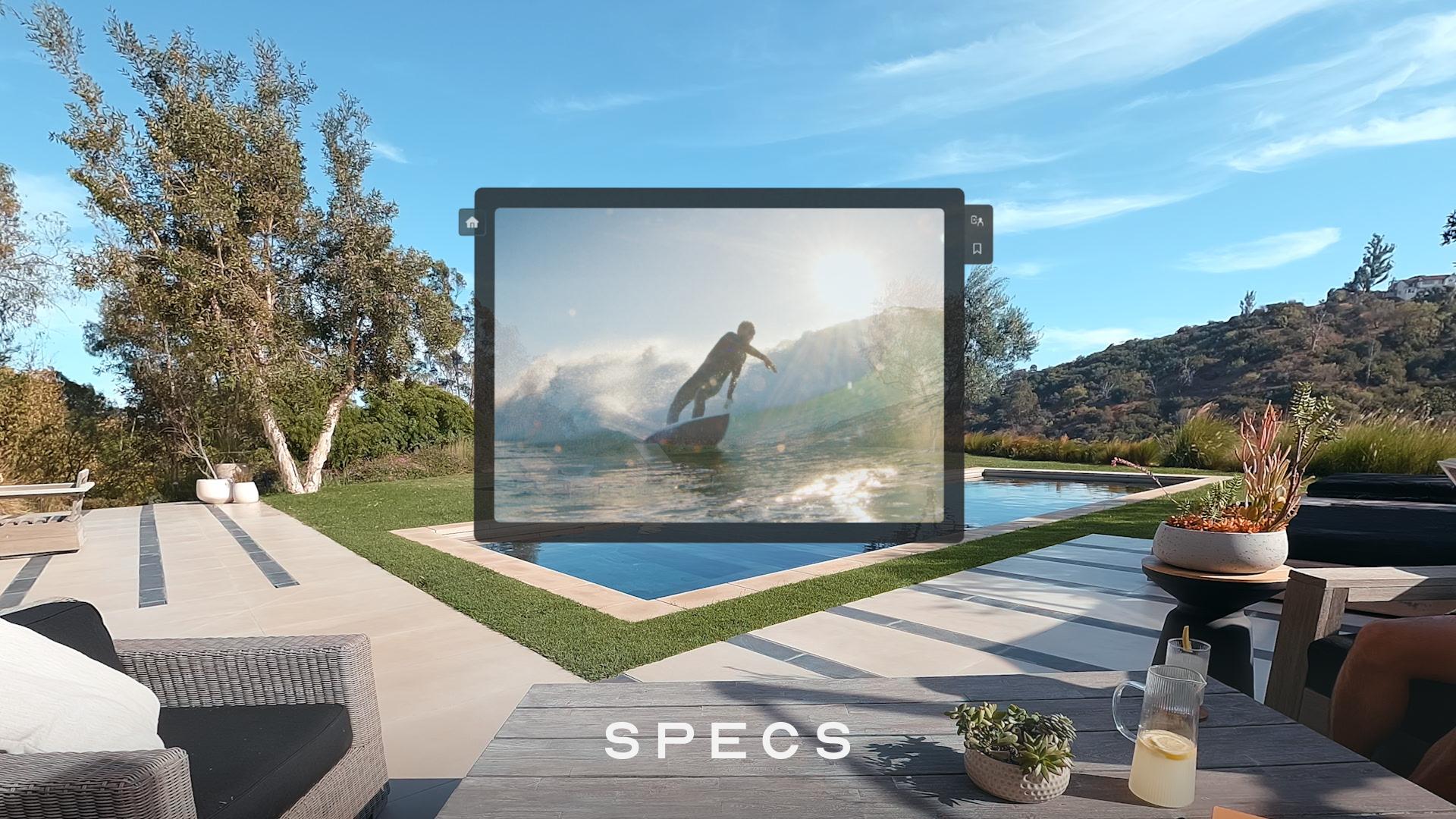
Snap says the browser streams YouTube and HBO Max, with a virtual screen comparable to 115 inches viewed from 10 feet away. Spotify is also part of the entertainment offering.
The Lens collection (opens in a new tab) includes a Harry Potter experience tied to HBO’s upcoming series and Kaia Gerber’s Library Science book club. Star Map layers astronomy over the sky, while Apollo 11 recreates the moon mission.
Snap’s NBA and WNBA experience (opens in a new tab) is being developed around basketball practice. Virtual players block your shot, while timed challenges and shootaround drills give you something to aim for. Snap also highlighted soccer and golf training, with ALO Wellness Club experiences scheduled for 2027.
Directions, Translation, Shopping, and Work
The utility Lenses (opens in a new tab) cover walking directions, saved measurements, spatial timers, and hands-free calls. The useful thread is information that stays visible while your hands are busy, such as a timer during cooking or dimensions while comparing furniture.
Snap announced spoken translation with subtitles in 60 languages, Tripadvisor recommendations and travel tools, and Shopify-powered shopping that places products at full scale in a room.
For desk work, Snap described wireless computer connections, a Whiteboard app, and Bluetooth keyboard support. Snapchat adds finger-snap photo capture and video calls that let friends see the wearer’s view.

The Cellular Connection Lives in the Case
The new Charging Case with Cellular (opens in a new tab) provides the 5G connection. It is an accessory to the glasses, rather than a cellular modem built into the frames. Verizon is the exclusive U.S. connectivity partner.
The connected-case bundle is $2,395. Verizon data plans start at $10 per month for its customers and $20 for non-customers, with 36-month financing for eligible buyers. Orange in France and EE in the UK are also partners; Snap has not provided their plan pricing.
Snap says the case supplies four additional charges. Verizon lists up to four hours of mixed-use battery life for the glasses. Those are advertised figures, not battery results from our own testing.
The distinction matters when packing for a day out. The computing hardware is in the glasses, but this option adds a separate case and data plan for connectivity away from Wi-Fi.
An Enterprise Push With Salesforce, AWS, and NVIDIA
Snap’s workplace partnerships (opens in a new tab) extend the pitch beyond consumer apps. Salesforce is bringing Agentforce to SPECS for identifying what a worker sees, opening cases, and updating workflows. AWS is working on Amazon Quick integration, such as showing stock and product information to retail staff.
NVIDIA’s XR AI stack is intended to connect what a worker sees with company data and guidance. Tandem by Trifork connects technicians with remote experts who can see their view and add annotations. Hololight streams tools, documents, and 3D models into a spatial workstation.
Snap is also working on device-management and security capabilities. These are partnerships and deployment plans, not evidence that every integration is already generally available.
For businesses, the proposed benefit is specific: keeping instructions and expert help visible during a physical task, without repeatedly returning to another screen.
The Hardware and Privacy Details to Keep in Mind
The current product specifications (opens in a new tab) list a 51-degree field of view, transparent waveguide displays, adaptive tint, two Snapdragon processors, and hand and voice controls. The narrow and wide frames weigh 132 and 136 grams respectively.
The field of view is the area available for digital content. A large virtual-screen comparison does not mean the display fills everything you can see. The standalone design removes a required compute puck, but it does not remove the need to consider fit, battery life, and connectivity.
Snap’s privacy guidance (opens in a new tab) says SPECS do not identify people through facial recognition or continuously record and save audio, photos, or video. An external light signals recording. The cameras still process the surroundings for spatial understanding, and Lenses need permission to access raw camera or microphone data.
What You Can Try Now and When SPECS Ship
SPECS remain available to preorder for $2,195 with a $200 refundable deposit. Shipping is expected later this fall in the U.S., UK, and France, with no specific shipping day in the launch announcement.
The iPhone AI preview is available now, while the fuller Mac service requires an invitation. Neither requires buying the glasses. The AR experiences depend on access to SPECS, and some partnerships have later timelines.
For a physical demo, SPECS First Look (opens in a new tab) opens October 1 at Westfield Century City in Los Angeles. That gives prospective buyers a way to judge the view, fit, and interactions before committing to the full purchase.
More from Glasses & Headsets.
Browse all stories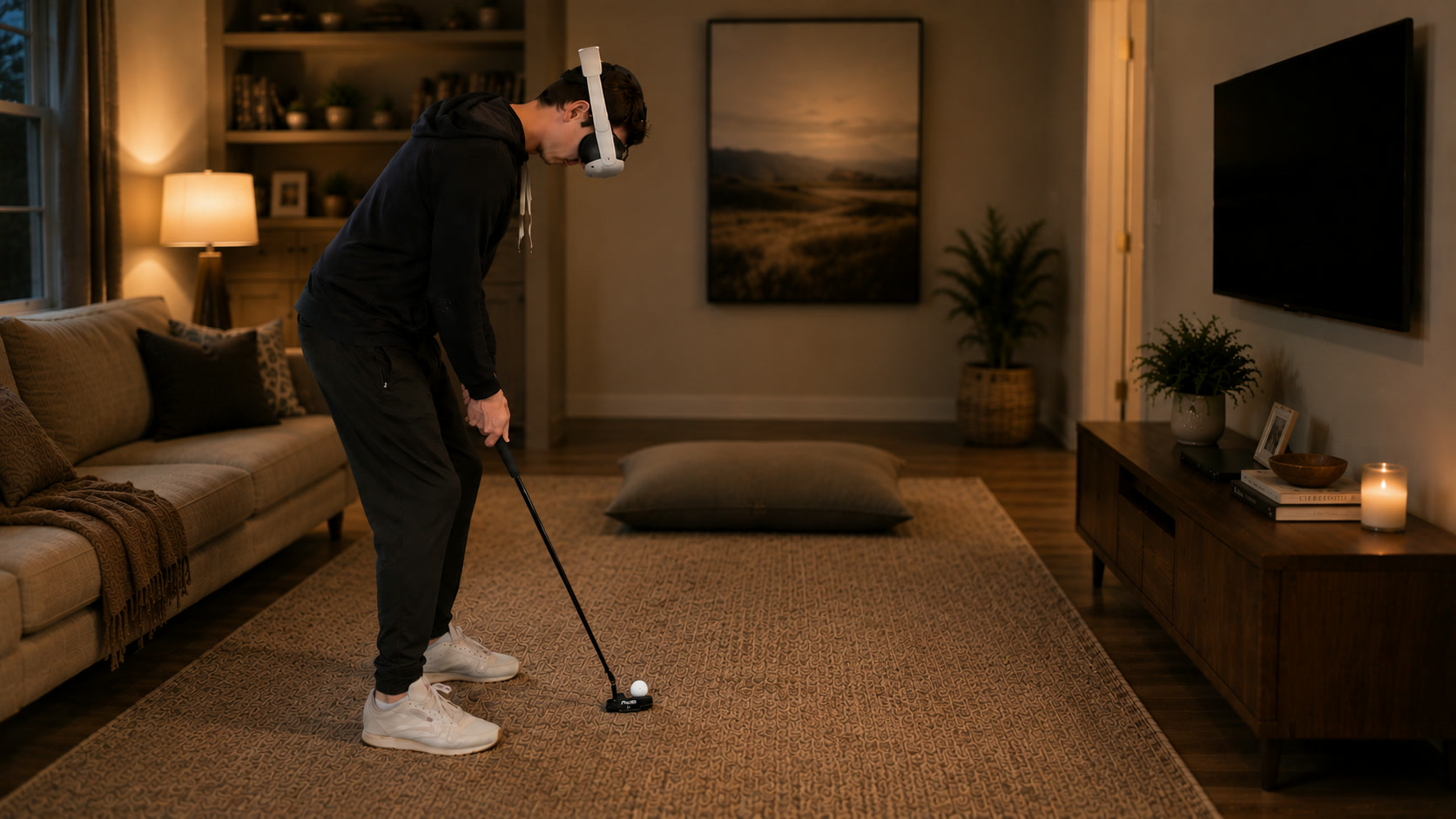
GOLF+ · 2 min read
GOLF+ Now Lets You Putt With a Real Club and Ball on Quest
Immersive Putting brings virtual greens into your room, using the speed and direction of a real ball to simulate where your shot would go.
Steam Frame · 3 min read
Valve Opens Sign-Ups for Its $1,059 Steam Frame VR Headset
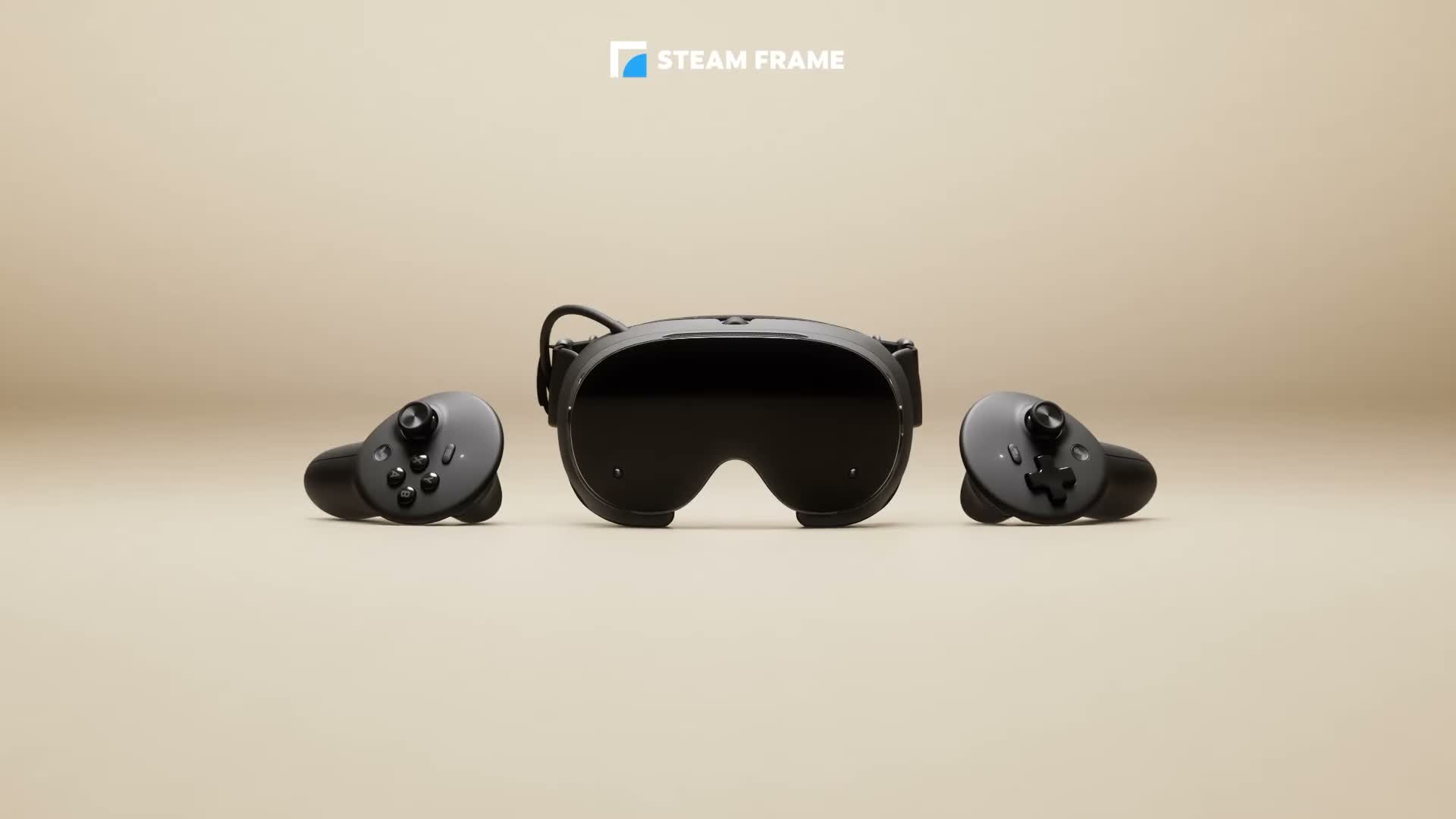
The wireless headset streams PC games and runs supported titles on its own. A randomized reservation system decides who gets the first chance to buy.

Meta Phoenix · 2 min read
New Leak Shows Meta’s Phoenix Headset With Prescription Lens Inserts
Footage shared by Luna offers a closer look at the glasses-like design, removable lens inserts, and a QR-code step in the setup process.